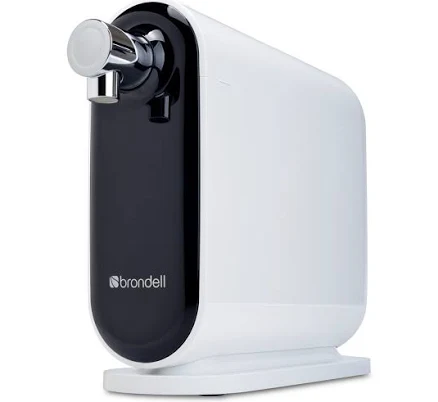
Brondell Cypress Countertop Water Filtration System H630
Lower PFAS risk for a basic countertop filter, though the brand discloses nothing about filter makeup or PFAS protocols.
This carbon-based countertop filter uses standard materials unlikely to release PFAS during normal use. Brondell offers no public information on filter composition, manufacturing, or PFAS testing.
We flunk more products than we pass. This one earned its grade. How we grade
Material
Carbon and ion-exchange filter media, plastic housing
Brand disclosure
Brand is silent on PFAS
Lab data
No public lab test
What Brondell Cypress Countertop Water is made of, ingredients and materials
The Brondell Cypress H630 uses activated carbon and ion-exchange resin in a plastic housing typical of countertop pitchers. Activated carbon is inert once saturated and does not leach; ion-exchange resin is also stable in water contact. The plastic housing (likely polypropylene or similar food-grade thermoplastic) poses minimal leaching risk at room temperature if kept away from heat and sunlight. No unique material concerns distinguish this from category peers.
What’s concerning
No PFAS disclosure
No public statement from the brand about PFAS in this product.
Bacterial regrowth in filter media
Activated carbon can harbor bacteria if cartridges are not replaced on schedule or if standing water sits in the pitcher. Risk is minimized with regular replacement and daily use but increases in warm climates or if the pitcher sits unused for weeks.
Filter cartridge contamination in transit or storage
Unused replacement cartridges stored in damp conditions can develop mold or bacterial biofilm before use. This risk is higher if cartridges are stored in a humid bathroom or basement; keep unused cartridges in a dry, sealed location.
Degradation of plastic seals over time
Rubber gaskets and plastic seals in the pitcher lid and cartridge housing can degrade or crack with age or repeated use, potentially allowing unfiltered water to bypass the media. Inspect seals visually before each refill and replace the pitcher if cracks are visible.
What’s reassuring
Base material not linked to PFAS
The main material recorded for this product is not one associated with PFAS.
BPA & bisphenols
Brondell does not disclose the specific plastic resin used in the H630 housing or whether it is BPA-free. Food-grade polypropylene is standard in this category and carries negligible BPA risk, but Brondell's silence on material specification prevents full assurance.
Source, FDA ↗PFAS
Brondell makes no explicit PFAS removal claim for the H630, so no false advertising risk exists. However, standard carbon filters do not reliably reduce PFAS; users seeking PFAS reduction should choose brands with third-party tested removal data.
Source, ATSDR ↗The full breakdown
The brand's record and disclosure
Brondell is a smaller water filtration brand with limited public third-party testing transparency. The company does not publish filter composition details, material certifications (NSF, WQA), or explicit PFAS removal claims or testing. No major safety recalls or litigation involving this model are on record. Lack of transparency makes independent verification of performance claims difficult.
How it compares in its category
The H630 is a mid-range countertop pitcher competing against brands like Brita, Pur, and ZeroWater. Unlike ZeroWater (which claims ion-exchange only and PFAS reduction), Brondell does not market PFAS removal. Competitive pricing and basic carbon filtration are standard; this model offers no distinctive safety or performance advantage but carries no known disadvantage either.
If you buy it
Replace the cartridge every 40-60 gallons (roughly 2 months at typical household use) or when flow slows noticeably; using expired media reduces efficacy and can encourage bacterial growth. Store the pitcher in a cool, dry place away from direct sunlight to prevent plastic degradation. Rinse the housing before first use and whenever replacing a cartridge. Do not expose the plastic housing or cartridge to hot water or leave standing water to stagnate.
What we don’t know
- Basis
- Model estimate, 62% confidence, not a lab result
- Lab test
- None on record for this exact product
- Brand statement
- Brondell has made none
Formulations change between production runs, so check the current label. How we grade.
Better-graded alternatives in Water Filters
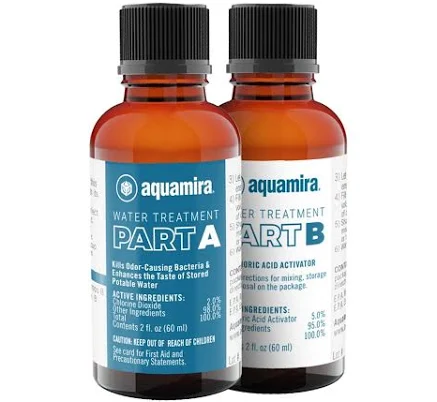
Aquamira
Water Storage Treatment 2 oz Glass Bottles 60 gallons Purification
- glass bottles, sodium dichloroisocyanurate treatment chemical
- We found no PFAS statement from the brand
- Chemical overdose or misuse
5 hazards checked on this product. See all of them.
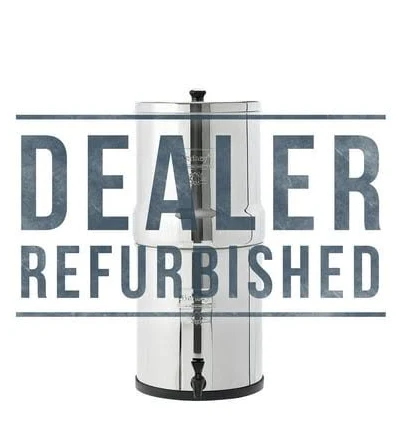
Big Berkey
Empty Housing with NO Filters Included
- Stainless steel housing and spigot
- We found no PFAS statement from the brand
- Bacterial growth and biofilm if filters not replaced
5 hazards checked on this product. See all of them.
LifeStraw
Home Glass Water Filter Pitcher
- Borosilicate glass pitcher, replaceable activated-carbon filter cartridge
- Bacterial growth in filter cartridge if unmaintained
5 hazards checked on this product. See all of them.
More water filters grades
How we score, every product runs through the same public 0-100 rubric based on materials, coatings, brand disclosure, lab findings, and recalls. See the full methodology → Spotted a mistake? Report an error.