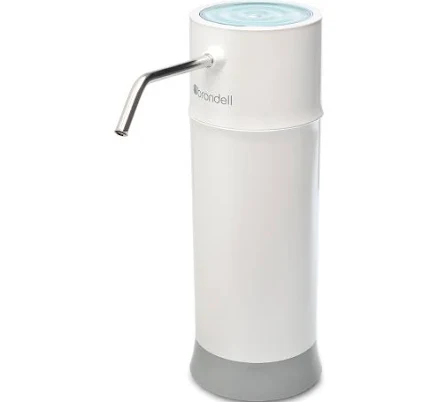
Brondell H2O+ Pearl Countertop Water Filtration System
Lower PFAS concern than coated cookware, but no transparency on cartridge or housing materials.
Activated carbon filtration is a lower-concern choice compared to treated cookware. Brondell stays silent on PFAS details for filter media, cartridges, or plastic housing, and frequent cartridge replacement creates potential exposure points.
We flunk more products than we pass. This one earned its grade. How we grade
Material
Activated carbon filter cartridge, housing plastic
Brand disclosure
Brand is silent on PFAS
Lab data
No public lab test
What Brondell H2O+ Pearl Countertop Water is made of, ingredients and materials
The H2O+ Pearl uses a replaceable activated carbon cartridge as its primary filtration medium, housed in plastic (likely polypropylene or similar food-grade polymer). Activated carbon is inert and does not leach harmful compounds during normal use. The plastic housing is a contact surface for stored water; food-grade plastics used in pitcher filters are not formulated with BPA or phthalates, though long-term contact with cold water (the pitcher's intended use) minimizes any leaching risk that does exist.
What’s concerning
No PFAS disclosure
No public statement from the brand about PFAS in this product.
Bacterial growth in filter cartridge and housing
All pitcher filters are passive systems; exhausted or poorly maintained cartridges and damp housing can harbor bacteria. Brondell provides no published guidance on sanitization frequency. Risk is user-dependent and mitigated by regular cartridge replacement and air-drying.
Activated carbon dust or particulates in water
New cartridges may release fine black carbon particles during first use. This is cosmetic and harmless; rinsing the cartridge before first use or running the first pitcher through a secondary cloth filter minimizes visible sediment.
What’s reassuring
Base material not linked to PFAS
The main material recorded for this product is not one associated with PFAS.
BPA & bisphenols
Food-contact plastics in pitcher filters are not formulated with BPA or phthalates and are exposed only to cold water. No leaching incidents have been reported for the H2O+ Pearl or competing pitcher models.
Source, FDA ↗Cartridge seal integrity over time
No recalls or reports of seal failure, leakage, or bypass in the H2O+ Pearl exist. Standard plastic seals in pitcher cartridges are durable under cold-water storage conditions.
The full breakdown
The brand's record and disclosure
Brondell is a niche water-filtration brand with no public history of recalls or safety violations related to the H2O+ line. The company does not publish detailed material sourcing or third-party certification statements for the Pearl cartridge or housing on their consumer-facing materials. No independent test reports linking Brondell pitcher filters to contamination or housing degradation are on record; the brand's silence on PFAS in filter materials (common across pitcher-filter makers) reflects industry-wide lack of transparency rather than a unique liability.
How it compares in its category
Pitcher filters occupy the lowest-cost, lowest-maintenance tier of home water treatment. The H2O+ Pearl is comparable to Brita and PUR pitchers in design and materials; activated carbon cartridges across brands share the same base chemistry. Unlike faucet-mounted or under-sink systems, pitcher filters do not contact your water supply continuously and present no risk of plastic housing degradation from line pressure or temperature cycling. Replacement-cartridge availability and cost are typical for the category.
If you buy it
Replace the cartridge every 2 to 3 months or after 40 gallons (whichever comes first) to prevent bacterial colonization inside exhausted carbon. Rinse the housing weekly with plain water and dry it promptly; do not use hot water or dishwashers on the pitcher itself. Store the pitcher in the refrigerator if possible to slow microbial growth during idle periods. If the pitcher sits unused for more than a week, flush the first pitcher of water after refilling.
What we don’t know
- Basis
- Model estimate, 62% confidence, not a lab result
- Lab test
- None on record for this exact product
- Brand statement
- Brondell has made none
Formulations change between production runs, so check the current label. How we grade.
Better-graded alternatives in Water Filters
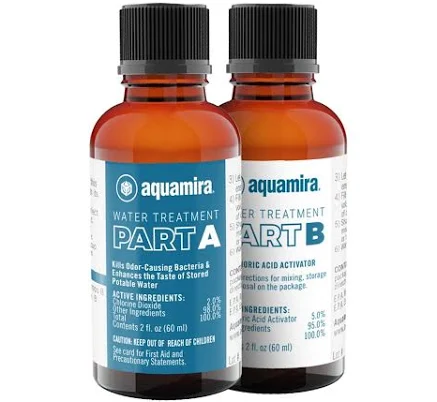
Aquamira
Water Storage Treatment 2 oz Glass Bottles 60 gallons Purification
- glass bottles, sodium dichloroisocyanurate treatment chemical
- We found no PFAS statement from the brand
- Chemical overdose or misuse
5 hazards checked on this product. See all of them.
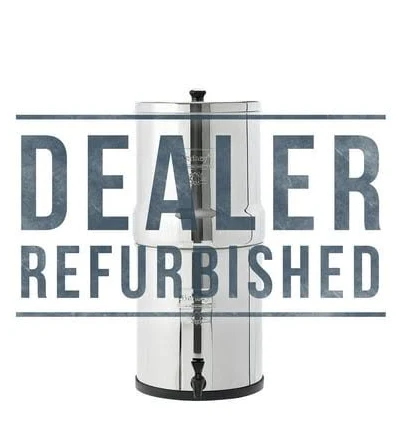
Big Berkey
Empty Housing with NO Filters Included
- Stainless steel housing and spigot
- We found no PFAS statement from the brand
- Bacterial growth and biofilm if filters not replaced
5 hazards checked on this product. See all of them.
LifeStraw
Home Glass Water Filter Pitcher
- Borosilicate glass pitcher, replaceable activated-carbon filter cartridge
- Bacterial growth in filter cartridge if unmaintained
5 hazards checked on this product. See all of them.
More water filters grades
How we score, every product runs through the same public 0-100 rubric based on materials, coatings, brand disclosure, lab findings, and recalls. See the full methodology → Spotted a mistake? Report an error.