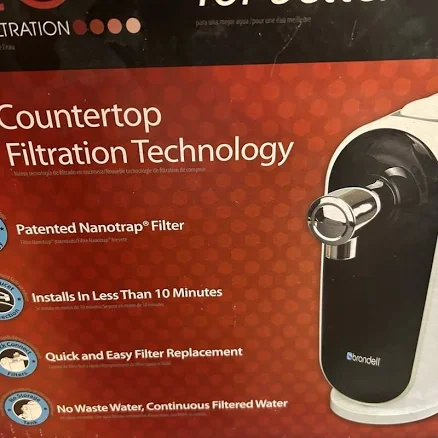
Brondell New Fit For H20 Water Filtration
Lower-concern design, but brand silence on PFAS in filters and housing leaves questions unanswered.
Carbon and mineral filtration are lower-risk materials compared to treated textiles or coated cookware. Brondell makes no public statement on PFAS in this product, filter media, or plastic parts.
We flunk more products than we pass. This one earned its grade. How we grade
Material
Carbon and mineral filters; plastic housing
Brand disclosure
Brand is silent on PFAS
Lab data
No public lab test
What Brondell New Fit For H20 Water Filtration is made of, ingredients and materials
The Brondell New Fit For H2O uses activated carbon and mineral-based filter media housed in plastic (polymer composition not explicitly disclosed by brand, typical for this category). Activated carbon is inert when dry and does not leach into water under normal conditions; mineral filters (likely zeolite or similar) are also stable. The plastic housing is the only material with potential leaching risk if damaged or exposed to heat, but pitcher filters sit at room temperature and are not typically heated. Overall material selection is conventional and poses minimal chemical migration risk in standard use.
What’s concerning
No PFAS disclosure
No public statement from the brand about PFAS in this product.
Plastic housing leachables
The pitcher housing material composition is not disclosed by Brondell. Standard food-grade plastics used in pitchers (polypropylene, polyethylene) are generally stable at room temperature but can degrade over years or if scratched; leaching of BPA or other additives is not documented for this specific model but cannot be ruled out without testing data.
Bacterial biofilm in filter cartridge
If filters are not replaced on schedule or the pitcher sits with standing water for extended periods, the moist carbon bed becomes a potential site for bacterial colonization. This is a category-wide risk, not specific to Brondell, but proper maintenance minimizes it.
Contaminant breakthrough if overused
Activated carbon filters lose effectiveness after the rated capacity (typically 40 gallons for this tier). Users who exceed the replacement interval risk incomplete removal of chlorine taste/odor, pesticides, or other VOCs. No safety incidents are on record, but efficacy decline is expected.
What’s reassuring
Base material not linked to PFAS
The main material recorded for this product is not one associated with PFAS.
Mineral filter fines or dust
Mineral-based media can generate fine particles if the filter cartridge is cracked or overpacked. No consumer complaints or quality control issues are documented for the Brondell New Fit line, and this hazard is largely mitigated by cartridge design and housing mesh.
The full breakdown
The brand's record and disclosure
Brondell has published no detailed material safety data sheets, leaching studies, or third-party certifications (NSF, WQA) specific to this model based on publicly available records. The brand has not made an explicit public statement on PFAS presence or absence in filter media or housing. This silence is typical for smaller pitcher-filter brands but leaves end-users without independent verification of housing safety or filter composition. No recalls or safety incidents are documented for this product line.
How it compares in its category
Pitcher filters generally carry lower contamination risk than faucet-mounted or under-sink systems because they operate at low pressure and room temperature, reducing leaching and microbial proliferation. The Brondell New Fit occupies the mid-market segment (carbon plus mineral blend) and lacks third-party certifications that competitors like Brita (NSF certified) or LifeStraw (independently tested) carry. Transparency-wise, it is below premium alternatives but typical for value-oriented pitchers. Filter replacement frequency and housing durability are not differentiated from standard competitors.
If you buy it
Replace the filter cartridge every 2 months or 40 gallons (follow product labeling) to prevent carbon saturation and bacterial biofilm buildup inside the filter bed. Do not leave standing water in the pitcher for more than 24 hours between uses; empty and dry it weekly if not in regular use. Keep the pitcher at room temperature and away from direct sunlight. Inspect the plastic housing annually for cracks or discoloration; if the housing becomes brittle, damaged, or visibly degraded, discontinue use and replace the pitcher rather than attempt repair.
What we don’t know
- Basis
- Model estimate, 72% confidence, not a lab result
- Lab test
- None on record for this exact product
- Brand statement
- Brondell has made none
Formulations change between production runs, so check the current label. How we grade.
Better-graded alternatives in Water Filters
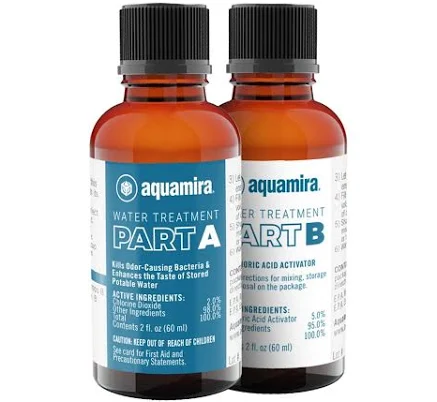
Aquamira
Water Storage Treatment 2 oz Glass Bottles 60 gallons Purification
- glass bottles, sodium dichloroisocyanurate treatment chemical
- We found no PFAS statement from the brand
- Chemical overdose or misuse
5 hazards checked on this product. See all of them.
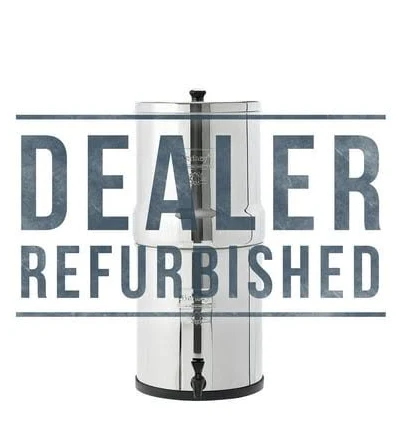
Big Berkey
Empty Housing with NO Filters Included
- Stainless steel housing and spigot
- We found no PFAS statement from the brand
- Bacterial growth and biofilm if filters not replaced
5 hazards checked on this product. See all of them.
LifeStraw
Home Glass Water Filter Pitcher
- Borosilicate glass pitcher, replaceable activated-carbon filter cartridge
- Bacterial growth in filter cartridge if unmaintained
5 hazards checked on this product. See all of them.
More water filters grades
How we score, every product runs through the same public 0-100 rubric based on materials, coatings, brand disclosure, lab findings, and recalls. See the full methodology → Spotted a mistake? Report an error.