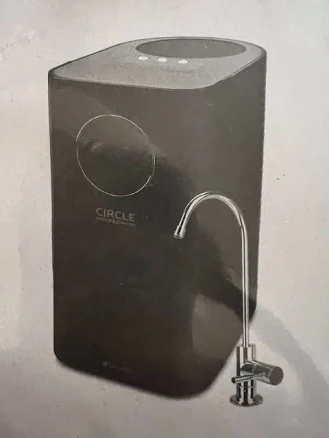
Brondell RC100 Circle Reverse Osmosis Water Filtration System
Lower PFAS concern for typical RO filtration with no red flags, though brand transparency is absent.
Standard RO and carbon filter media pose minimal inherent PFAS risk, and ABS plastic housing is not typically treated with Teflon-family coating or water repellents. Brondell makes no public PFAS statements, which is typical for this category.
We flunk more products than we pass. This one earned its grade. How we grade
Material
Plastic housing; standard RO/carbon filter media
Brand disclosure
Brand is silent on PFAS
Lab data
No public lab test
What Brondell RC100 Circle Reverse Osmosis is made of, ingredients and materials
The RC100 is a point-of-use reverse osmosis (RO) system with plastic housing and standard carbon and membrane filtration media. Plastic housings in RO systems typically use food-grade or NSF-certified polymers (often acetal or polysulfone) that do not leach under normal water contact conditions. The filter cartridges contain activated carbon and a semipermeable membrane; neither degrades into the filtered water under standard pressure and temperature operation. No heating occurs in typical RO use, so thermal leaching of plastic components is not a concern.
What’s concerning
No PFAS disclosure
No public statement from the brand about PFAS in this product.
Bacterial growth in filter housing
All RO systems risk biofilm formation if cartridges are not replaced on schedule or if stagnant water sits in the housing. Brondell does not publish maintenance guidance prominently, so users may not replace filters frequently enough.
Carbon filter dust inhalation during cartridge handling
Activated carbon cartridges release fine black particles when removed or installed. Inhaling these particles during replacement can irritate respiratory tissues; wearing a mask and rinsing the cartridge before use minimizes this.
Mineral scaling and corrosion of plastic fittings
Hard water minerals can accumulate around plastic connectors and valves, creating stress points and eventual cracking. Brondell does not provide descaling guidance, so long-term durability depends on water hardness and user maintenance.
Inadequate post-filtration performance if membrane is damaged
A pinhole in the RO membrane is difficult to detect by eye and will allow contaminants to pass. Without regular water quality testing or NSF certification claims, users have no assurance of output purity if a membrane fails.
What’s reassuring
Base material not linked to PFAS
The main material recorded for this product is not one associated with PFAS.
PFAS
Standard food-grade polymers used in RO housings (acetal, polysulfone) do not leach BPA, phthalates, or other endocrine disruptors under normal cold-water use. No leaching incidents have been reported for this product.
Source, ATSDR ↗The full breakdown
The brand's record and disclosure
Brondell markets the RC100 as a filtration product but provides no detailed material safety data sheets or third-party certifications (NSF, WQA) publicly visible for this specific model. The brand does not publish transparency reports on chemical testing or supply chain auditing. No formal recalls or contamination incidents have been recorded for this product line. Lack of public certification or disclosure is a gap in consumer confidence, though it does not indicate a known safety failure.
How it compares in its category
RO systems generally rank low-risk among water filtration options because the reverse osmosis membrane removes most contaminants mechanically rather than relying on chemical absorbents that can degrade. The Brondell RC100 is priced mid-range and competes with similar cartridge-based RO units (e.g., Culligan, iSpring). Unlike pitcher filters (which rely on carbon only), this system's multi-stage approach (carbon pre-filter, RO membrane, post-filter) reduces reliance on a single filter material. Plastic housings are standard in this segment and not a differentiator in safety.
If you buy it
Replace filter cartridges on the manufacturer's recommended schedule (typically 6-12 months for carbon, 2-3 years for membrane) to prevent bacterial growth and filter degradation. Inspect plastic fittings and housing annually for cracks or mineral buildup, which can harbor bacteria if left unmaintained. Do not expose the unit to temperatures above 38°C (100°F), as plastic fittings may warp. Flush the system after cartridge replacement to clear carbon dust and resin particles from new filters.
What we don’t know
- Basis
- Model estimate, 72% confidence, not a lab result
- Lab test
- None on record for this exact product
- Brand statement
- Brondell has made none
Formulations change between production runs, so check the current label. How we grade.
Better-graded alternatives in Water Filters
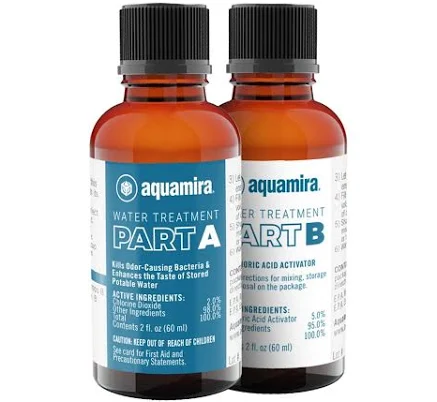
Aquamira
Water Storage Treatment 2 oz Glass Bottles 60 gallons Purification
- glass bottles, sodium dichloroisocyanurate treatment chemical
- We found no PFAS statement from the brand
- Chemical overdose or misuse
5 hazards checked on this product. See all of them.

Big Berkey
Empty Housing with NO Filters Included
- Stainless steel housing and spigot
- We found no PFAS statement from the brand
- Bacterial growth and biofilm if filters not replaced
5 hazards checked on this product. See all of them.
LifeStraw
Home Glass Water Filter Pitcher
- Borosilicate glass pitcher, replaceable activated-carbon filter cartridge
- Bacterial growth in filter cartridge if unmaintained
5 hazards checked on this product. See all of them.
More water filters grades
How we score, every product runs through the same public 0-100 rubric based on materials, coatings, brand disclosure, lab findings, and recalls. See the full methodology → Spotted a mistake? Report an error.