Calphalon · Parchment Paper & Baking Liners
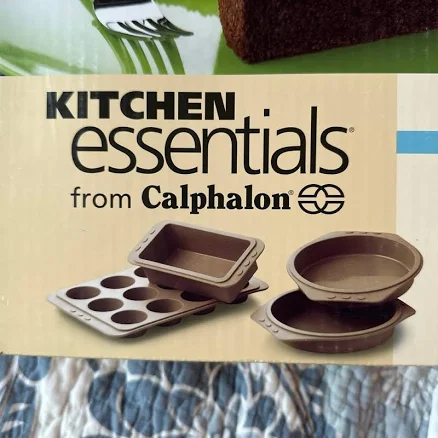
Calphalon Kitchen Essentials Silicone Bakeware Cookware Set - 9” Round Cake Pans
Silicone with no coating described, and no PFAS statement from the brand.
The product information we reviewed describes silicone bakeware, with no applied coating named. Silicone releases food on its own, so a non-stick claim on a silicone product describes the material rather than a coating. The brand has published no PFAS statement for it.
We flunk more products than we pass. This one earned its grade. How we grade
Material
Silicone bakeware
Lab data
No public lab test
You may also be interested in
Top-graded picks in the categories readers replace first, every one scored on the same rubric.

- polypropylene filter housing, carbon/sediment cartridge
- We found no PFAS statement from the brand
- Bacterial growth in spent cartridges
3 hazards checked on this product, all on its full breakdown.

Aquasure
Premier Series 75 GPD Under Sink Reverse Osmosis Water Filtration System
- RO membrane, carbon filters, stainless steel housing
- We found no PFAS statement from the brand
- Bacterial and microbial growth in housing and filters
4 hazards checked on this product, all on its full breakdown.

Avocado
Vegan Mattress
- organic cotton, natural latex, coconut coir, recycled steel coils
- The brand calls it PFAS-free, which we have not verified
- Heavy metals
2 hazards checked on this product, all on its full breakdown.
What Calphalon Kitchen Round Cake Pans is made of, ingredients and materials
This product is food-grade silicone, a synthetic rubber polymer that does not require a non-stick coating. Silicone is inert at typical baking temperatures (up to 400-500°F depending on formulation) and does not leach chemical additives like older Teflon cookware. Unlike ceramic or enameled cast iron, silicone contains no lead, cadmium, or glazes that can degrade. The material is designed to flex and release baked goods without scratch damage or coating failure.
What’s concerning
Category baseline
The starting point for this type of product, before anything specific to this product is counted.
No PFAS disclosure
No public statement from the brand about PFAS in this product.
Thermal degradation and polymer breakdown
Silicone can degrade if exposed to sustained high heat (above manufacturer specs) or repeated thermal cycling, potentially releasing oligomers or siloxanes. This is not acute toxicity but a durability and long-term exposure concern after years of use.
Bacterial growth in crevices or tears
If silicone develops small tears or surface fissures during use, bacteria or mold can colonize these areas if not cleaned thoroughly. This is a hygiene issue rather than a chemical hazard, managed by regular inspection and proper washing.
Off-gassing of volatile compounds during first use
Some silicone products release a faint odor (siloxane or curing agents) when first heated. This typically dissipates after one or two uses and is not documented as harmful, but sensitive individuals may notice it.
What’s reassuring
Base material not linked to PFAS
The main material recorded for this product is not one associated with PFAS.
Lead
No recalls or public reports of heavy metal contamination in Calphalon silicone bakeware. Silicone's inert chemistry and non-porous surface make it unlikely to harbor or leach metals compared to ceramic glazes.
Source, ATSDR ↗BPA & bisphenols
Food-grade silicone, by definition, does not contain BPA or phthalates. However, no independent certification (e.g., NSF, FDA 3rd-party audit) for this specific Calphalon model is publicly available; manufacturer claims of food-grade status are unverified.
Source, FDA ↗How is this PFAS grade calculated?
The brand's record and disclosure
Calphalon does not publicly disclose PFAS content or manufacturing statements for this silicone line. The brand has faced recalls for other product lines (notably nonstick cookware with Teflon-type coating), but silicone bakeware has not appeared in major safety notices. Calphalon is owned by Groupe SEB, a major cookware manufacturer; their silicone lines are generally marketed as PFOA-free, though specific third-party certifications for this exact model are not widely published.
How it compares in its category
Silicone bakeware presents lower concern than traditional metal pans with nonstick coatings or ceramic glazes in terms of chemical leaching risk. It performs similarly to parchment paper-lined metal pans but is reusable and eliminates paper waste. Some users report silicone retains heat differently than metal, affecting browning; this is a performance issue, not a safety one. Durability is the main trade-off, silicone degrades and can develop tears after 3-5 years of heavy use.
If you buy it
Hand wash with mild soap and avoid abrasive scrubbers or sharp utensils that can puncture the material. Use within the manufacturer's stated temperature range (typically 350-400°F for baking). Inspect annually for surface cracks, warping, or stickiness; if silicone becomes sticky or smells unusual, discontinue use as this signals polymer breakdown. Store flat or rolled loosely to prevent permanent creasing.
What is not known about PFAS in this product?
- Basis
- Model estimate, 45% confidence, not a lab result
- Lab test
- None on record for this exact product
- Brand statement
- Calphalon has made a specific claim
Formulations change between production runs, so check the current label. How we grade.
What are the PFAS-free alternatives to Calphalon Kitchen Essentials Silicone Bakeware Cookware Set - 9” Round Cake Pans?
- silicone-coated parchment paper
- The brand calls it PFAS-free, which we have not verified
- Paper degradation and particulate shedding
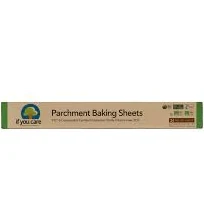
- unbleached paper with silicone coating
- The brand calls it PFAS-free, which we have not verified
- Silicone coating degradation at high heat
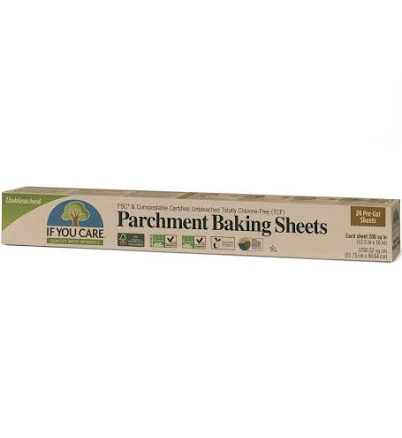
- bleached paper with silicone coating
- The brand calls it PFAS-free, which we have not verified
- Paper degradation and fragmentation
More parchment paper & baking liners grades
How we score, every product runs through the same public 0-100 rubric based on materials, coatings, brand disclosure, lab findings, and recalls. See the full methodology → Spotted a mistake? Report an error.