· Parchment Paper & Baking Liners
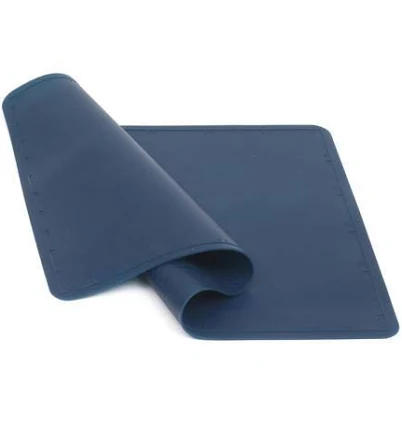
Orbit Baking Mat, 16.5 x 11 Inch Silicone Baking Sheet Mat, Nonstick Baking Mat, High-Heat Resistant Non-Slip Countertop
Silicone with no coating described, and no PFAS statement from the brand.
The product information we reviewed describes silicone baking mat, with no applied coating named. Silicone releases food on its own, so a non-stick claim on a silicone product describes the material rather than a coating. The brand has published no PFAS statement for it.
We flunk more products than we pass. This one earned its grade. How we grade
Material
Silicone baking mat
Lab data
No public lab test
You may also be interested in
Top-graded picks in the categories readers replace first, every one scored on the same rubric.

- polypropylene filter housing, carbon/sediment cartridge
- We found no PFAS statement from the brand
- Bacterial growth in spent cartridges
3 hazards checked on this product, all on its full breakdown.

Aquasure
Premier Series 75 GPD Under Sink Reverse Osmosis Water Filtration System
- RO membrane, carbon filters, stainless steel housing
- We found no PFAS statement from the brand
- Bacterial and microbial growth in housing and filters
4 hazards checked on this product, all on its full breakdown.

Avocado
Vegan Mattress
- organic cotton, natural latex, coconut coir, recycled steel coils
- The brand calls it PFAS-free, which we have not verified
- Heavy metals
2 hazards checked on this product, all on its full breakdown.
What Orbit Baking Mat, 16.5 x 11 Countertop is made of, ingredients and materials
This is a food-grade silicone baking mat, a polymer chain of silicon and oxygen atoms with added fillers for structure and flexibility. Silicone is thermally stable and does not leach toxic compounds into food at normal baking temperatures (up to 500°F, which the Orbit line typically supports). Unlike parchment paper or plastic liners, silicone does not require chemical treatments for nonstick performance, which reduces the surface hazard profile compared to coated alternatives.
What’s concerning
Category baseline
The starting point for this type of product, before anything specific to this product is counted.
No PFAS disclosure
No public statement from the brand about PFAS in this product.
Silicone degradation and leaching at high heat
While food-grade silicone is stable at normal baking temperatures (up to 480-500°F), repeated exposure to temperatures above the manufacturer's limit or prolonged contact with very hot oil can cause silicone polymers to degrade. No documented cases of harmful leaching from Orbit mats are on record, but degraded silicone can shed microparticles; inspect regularly.
Microplastic shedding from wear
Aged silicone mats or those with surface tears can shed microscopic silicone fragments into food during use. This is not acutely toxic but represents cumulative microplastic exposure; replacement every 1-2 years with normal use is a practical mitigation.
Non-stick surface loss over time
Silicone mats gradually lose nonstick properties with age and improper care (harsh scrubbing, dishwasher use). This is a performance issue rather than a safety hazard, but a degraded mat may be discarded prematurely, creating unnecessary waste.
What’s reassuring
Base material not linked to PFAS
The main material recorded for this product is not one associated with PFAS.
Allergen or irritant residues from manufacturing
Food-grade silicone is typically manufactured without heavy metals, latex, or volatile organic solvents. No allergen warnings are documented for Orbit mats. Thorough washing before first use is routine practice and sufficient.
How is this PFAS grade calculated?
The brand's record and disclosure
The brand is owned by Groupe SEB and is a mainstream cookware brand with no published certifications specific to silicone baking mats (no NSF, FDA certification statements found in product marketing). The company has not issued public PFAS reduction commitments, though their silence on PFAS in silicone products is consistent with industry practice since silicone itself is not a typical PFAS carrier. No product recalls or safety controversies are on record for this mat model.
How it compares in its category
Silicone mats show lower concern compared to some parchment papers reported to contain PFAS coatings, and outperform non-stick spray or ceramic-coated pans in durability and chemical simplicity. This Orbit mat occupies the mainstream consumer tier, competing with OXO, Wilton, and store-brand silicone mats at similar price points. Reusable silicone mats eliminate the waste and cumulative chemical exposure of single-use parchment liners, though they require proper care to avoid degradation.
If you buy it
Hand wash in warm soapy water after each use and air dry flat; do not use high-temperature dishwashers, which can degrade the material. Stay within the manufacturer's stated heat limit (typically 480-500°F) to prevent silicone breakdown or off-gassing. Inspect the mat every 6-12 months for cracks, tears, or areas where the silicone surface is peeling; replace if damage occurs. Store flat or loosely rolled to avoid permanent creasing that can reduce nonstick performance.
What is not known about PFAS in this product?
- Basis
- Model estimate, 35% confidence, not a lab result
- Lab test
- None on record for this exact product
- Brand statement
- has made a specific claim
Formulations change between production runs, so check the current label. How we grade.
What are the PFAS-free alternatives to Orbit Baking Mat, 16.5 x 11 Inch Silicone Baking Sheet Mat, Nonstick Baking Mat, High-Heat Resistant Non-Slip Countertop?
- silicone-coated parchment paper
- The brand calls it PFAS-free, which we have not verified
- Paper degradation and particulate shedding
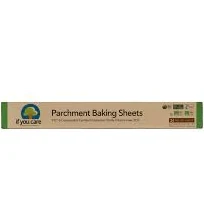
- unbleached paper with silicone coating
- The brand calls it PFAS-free, which we have not verified
- Silicone coating degradation at high heat
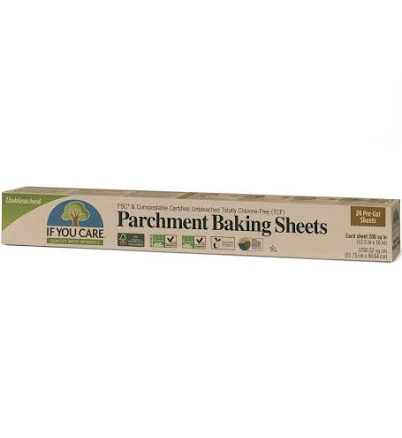
- bleached paper with silicone coating
- The brand calls it PFAS-free, which we have not verified
- Paper degradation and fragmentation
More parchment paper & baking liners grades
How we score, every product runs through the same public 0-100 rubric based on materials, coatings, brand disclosure, lab findings, and recalls. See the full methodology → Spotted a mistake? Report an error.