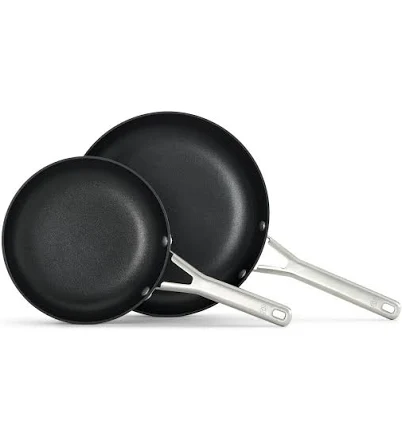
Premier Hard-Anodized Nonstick Frying Pan Set, Is It Non-Toxic?
Pass until Calphalon reveals nonstick chemistry or switches to Teflon-type coating-free.
Calphalon won't disclose what nonstick coating it uses on this hard-anodized set, leaving PFAS content a mystery. Hard-anodized aluminum is lower concern; the coating isn't.
The better-graded swap
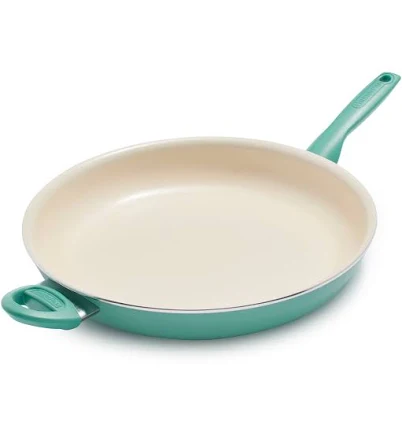
GreenPan
GreenPan Rio Ceramic Nonstick Frypan
70/100 safety
Same rubric that flunked this product. The swap earned Good.
Still want this one anyway? Check the price on Amazon. We’d swap it.
Material
Hard-anodized aluminum with nonstick coating (type unspecified)
Lab data
No public lab test
You may also be interested in
Top-graded picks in the categories readers replace first, every one scored on the same rubric.

- polypropylene filter housing, carbon/sediment cartridge
- We found no PFAS statement from the brand
- Bacterial growth in spent cartridges
3 hazards checked on this product, all on its full breakdown.

Aquasure
Premier Series 75 GPD Under Sink Reverse Osmosis Water Filtration System
- RO membrane, carbon filters, stainless steel housing
- We found no PFAS statement from the brand
- Bacterial and microbial growth in housing and filters
4 hazards checked on this product, all on its full breakdown.

Avocado
Vegan Mattress
- organic cotton, natural latex, coconut coir, recycled steel coils
- The brand calls it PFAS-free, which we have not verified
- Heavy metals
2 hazards checked on this product, all on its full breakdown.
Is Premier Hard-Anodized Frying Pan Set non-toxic? What it is made of
This pan uses hard-anodized aluminum as its core, a electrochemical process that creates a dense oxide layer making aluminum more durable and corrosion-resistant than raw aluminum. The nonstick coating type is not specified by Calphalon in publicly available materials, which is the critical gap, nonstick coatings are typically either Teflon-type coating-based (Teflon and variants) or ceramic/silicone hybrids. Without disclosure, users cannot assess PFAS exposure risk. Hard-anodized aluminum itself does not leach aluminum into food under normal use, as the oxide layer acts as a barrier.
What’s concerning
Category baseline
The starting point for this type of product, before anything specific to this product is counted.
No PFAS disclosure
No public statement from the brand about PFAS in this product.
Non-stick, chemistry undisclosed
Marketed as non-stick without stating the coating chemistry.
Teflon-type coating fume risk (if coating contains Teflon-family coating)
Calphalon has not disclosed whether this product uses Teflon-type coating or Teflon-type coating derivatives. Teflon-type coating coatings can release fumes above 500F that cause polymer fume fever in humans and are acutely toxic to pet birds. Unconfirmed coating chemistry makes risk assessment impossible.
Coating degradation and particle shedding
Hard-anodized nonstick pans from multiple brands, including some Calphalon lines, show documented instances of coating flaking or peeling over time with use and washing. Shed particles are typically microscopic and likely pass through the digestive system, but long-term effects of ingesting synthetic polymer particles are not well-studied.
Brand transparency and consumer recourse
Calphalon's refusal to disclose nonstick chemistry publicly is a documented point of consumer criticism. This lack of transparency prevents informed choice and complicates recall communication if future PFAS concerns emerge for this specific product.
What’s reassuring
Aluminum leaching (low risk due to anodization)
Hard anodization creates a protective oxide layer that prevents aluminum from leaching into food under normal cooking conditions, even with acidic foods. This product carries minimal aluminum leaching risk compared to untreated aluminum cookware.
Lead
No recalls or public safety alerts document lead or cadmium contamination in Calphalon hard-anodized nonstick coatings. The risk is lower than in vintage ceramic or glazed cookware, though without independent testing of this specific product, absence of reports does not confirm zero risk.
Source, ATSDR ↗How is this PFAS grade calculated?
The brand's record and disclosure
Calphalon has not publicly disclosed the specific chemistry of its nonstick coatings or made a public commitment to PFAS-free formulations, despite pressure from consumer safety advocates since the early 2020s. The brand maintains a general silence on PFAS content, which contrasts with competitors like GreenPan and Our Place that explicitly market PFAS-free alternatives. No major safety recalls specific to nonstick coating degradation or fume risk have been publicly documented for this product line, but absence of recalls does not confirm safety testing has been published.
How it compares in its category
Hard-anodized nonstick skillets are mid-tier in durability and performance; Calphalon is a mainstream brand. PFOA-free alternatives from the same brand do exist but are not always clearly labeled. Ceramic nonstick options (GreenPan, Our Place) are not materials linked to PFAS but may sacrifice some nonstick longevity. Traditional cast iron or stainless steel have no hazard of this kind on record but require different cooking techniques. Calphalon's silence on formulation is a competitive weakness compared to brands that voluntarily disclose.
If you buy it
Do not exceed 500F (260C) to avoid coating degradation and potential Teflon-type coating fume release if the coating contains Teflon-family coating. Hand wash only; dishwashers accelerate coating wear. Replace the pan if the nonstick surface begins to flake, peel, or shows visible damage, as compromised coating may release particles into food. Contact Calphalon directly to request confirmation of the nonstick chemistry before purchase if PFAS avoidance is a priority for your household.
What is not known about PFAS in this product?
- Basis
- Model estimate, 35% confidence, not a lab result
- Lab test
- None on record for this exact product
- Brand statement
- Calphalon has made a specific claim
Formulations change between production runs, so check the current label. How we grade.
What are the PFAS-free alternatives to Premier Hard-Anodized Nonstick Frying Pan Set?
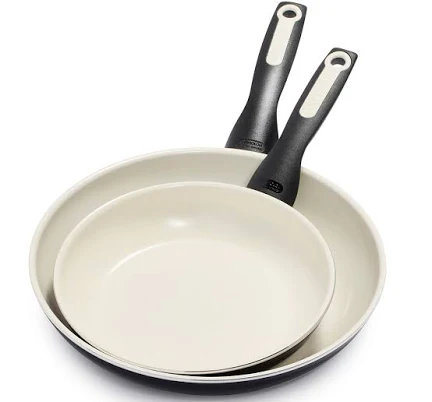
- ceramic nonstick coating
- The brand calls it PFAS-free, which we have not verified
- Coating degradation and particulate release
3 hazards checked on this product, all on its full breakdown.
- ceramic non-stick coating
- The brand calls it PFAS-free, which we have not verified
- Coating degradation and aluminum leaching
3 hazards checked on this product, all on its full breakdown.
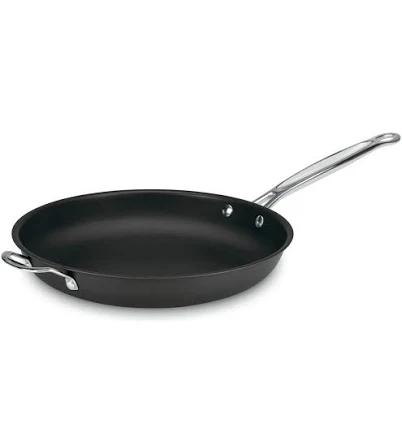
- anodized aluminum (hard-coat anodic oxidation)
- Coating degradation and leachables from breakdown
More nonstick skillets grades
How we score, every product runs through the same public 0-100 rubric based on materials, coatings, brand disclosure, lab findings, and recalls. See the full methodology → Spotted a mistake? Report an error.