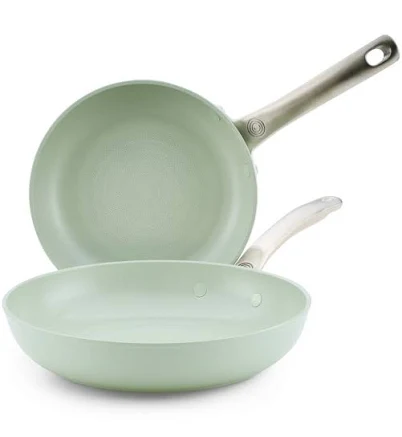
Circulon Halo Ceramic with LaserDefense Nonstick 2-Piece Skillet Set, Is It Non-Toxic?
Pass until Circulon discloses its ceramic coating chemistry or gets third-party verification.
Circulon markets this as ceramic nonstick with proprietary LaserDefense but won't say what goes into the coating or address PFAS. Ceramic claims are vague without details.
The better-graded swap
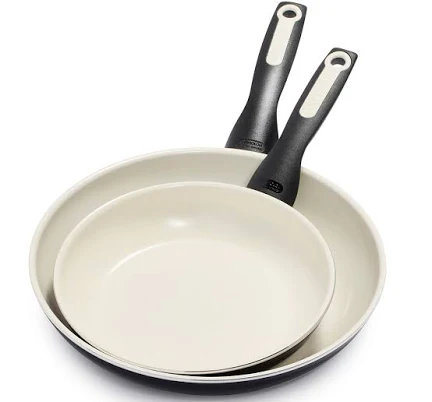
GreenPan
GreenPan Rio Ceramic Set
70/100 safety
Same rubric that flunked this product. The swap earned Good.
Still want this one anyway? Check the price on Amazon. We’d swap it.
Material
Ceramic nonstick coating (proprietary formulation, type unspecified)
Lab data
No public lab test
You may also be interested in
Top-graded picks in the categories readers replace first, every one scored on the same rubric.

- polypropylene filter housing, carbon/sediment cartridge
- We found no PFAS statement from the brand
- Bacterial growth in spent cartridges
3 hazards checked on this product, all on its full breakdown.

Aquasure
Premier Series 75 GPD Under Sink Reverse Osmosis Water Filtration System
- RO membrane, carbon filters, stainless steel housing
- We found no PFAS statement from the brand
- Bacterial and microbial growth in housing and filters
4 hazards checked on this product, all on its full breakdown.

Avocado
Vegan Mattress
- organic cotton, natural latex, coconut coir, recycled steel coils
- The brand calls it PFAS-free, which we have not verified
- Heavy metals
2 hazards checked on this product, all on its full breakdown.
Is Circulon Halo Ceramic Skillet Set non-toxic? What it is made of
Circulon Halo uses a ceramic-based nonstick coating described as proprietary but not publicly detailed in composition. Ceramic coatings are marketed as Teflon-type coating-free alternatives, which eliminates the fume-release risk associated with traditional Teflon, but the binder resins and any additives remain unspecified. The skillet body is likely aluminum, which can leach if the ceramic coating degrades. Without full ingredient disclosure, the actual thermal stability and degradation byproducts of this specific ceramic formula are unknown.
What’s concerning
Category baseline
The starting point for this type of product, before anything specific to this product is counted.
Vague safety claims only
Uses vague language ("eco-friendly", "clean") without a specific PFAS statement.
Non-stick, chemistry undisclosed
Marketed as non-stick without stating the coating chemistry.
Ceramic coating degradation and aluminum leaching
If the ceramic coating chips, flakes, or wears through from heat stress or mechanical damage, underlying aluminum may contact food and leach. Circulon has not disclosed the thickness or thermal durability specs of its ceramic layer, making it unclear how resistant this product is to accelerated degradation.
Thermal stability of proprietary ceramic binders
Ceramic coatings require organic binders and additives whose composition is not public. Overheating or prolonged high-heat use could cause decomposition of these binders, releasing volatile byproducts; the specific risks are unknown without full ingredient transparency.
Teflon-type coating residue in 'ceramic' formulation
Some so-called ceramic nonstick products contain trace Teflon-type coating or PFOA-related compounds in the binder system. Circulon has not confirmed that its ceramic coating is Teflon-type coating-free or that PFAS-containing chemistry is absent, leaving this unconfirmed.
Coating adhesion loss over time
Consumer reviews and cookware forums document that some ceramic nonstick products, including some Circulon models, experience peeling or adhesion loss after 1-3 years of use. This is a known risk in the ceramic nonstick category and affects both food safety (aluminum exposure) and performance.
What’s reassuring
Lead
No recalls or public testing reports of heavy metal contamination in Circulon Halo ceramic coatings. This hazard is standard concern for glazed cookware but has not been documented for this product.
Source, ATSDR ↗How is this PFAS grade calculated?
The brand's record and disclosure
Circulon (owned by Meyer Corporation) has not made public statements about PFAS content or use in its ceramic coatings, nor has it pursued third-party verification of coating safety. The brand has not faced major documented recalls related to nonstick coating hazards in recent years, but its silence on ceramic chemistry and PFAS is typical of the broader cookware industry and limits consumer assurance. No independent lab testing of this specific product line is on record in public databases.
How it compares in its category
Ceramic nonstick skillets occupy a middle ground, they avoid Teflon-type coating fumes but often perform less durably than traditional nonstick and may degrade faster if not handled carefully. Circulon's LaserDefense texture is designed to improve durability and heat distribution, but this does not address the underlying coating transparency issue. Alternatives include stainless steel (no coating hazards but requires more fat) or verified ceramic brands with published safety data.
If you buy it
Keep temperatures below 400-450F to minimize ceramic coating degradation; avoid metal utensils and abrasive scrubbers that accelerate wear. Inspect the coating regularly for chips, peeling, or discoloration, and replace the skillet if damage is visible or nonstick performance drops sharply (signs the aluminum underneath may begin leaching). Hand wash rather than dishwasher to extend coating life. Do not preheat empty; always add oil or food before heating.
What is not known about PFAS in this product?
- Basis
- Model estimate, 42% confidence, not a lab result
- Lab test
- None on record for this exact product
- Brand statement
- Circulon has made a specific claim
Formulations change between production runs, so check the current label. How we grade.
What are the PFAS-free alternatives to Circulon Halo Ceramic with LaserDefense Nonstick 2-Piece Skillet Set?
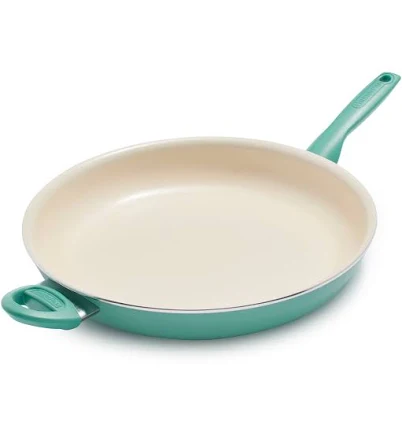
- ceramic nonstick coating
- The brand calls it PFAS-free, which we have not verified
- Coating degradation and particulate release
3 hazards checked on this product, all on its full breakdown.
- ceramic non-stick coating
- The brand calls it PFAS-free, which we have not verified
- Coating degradation and aluminum leaching
3 hazards checked on this product, all on its full breakdown.
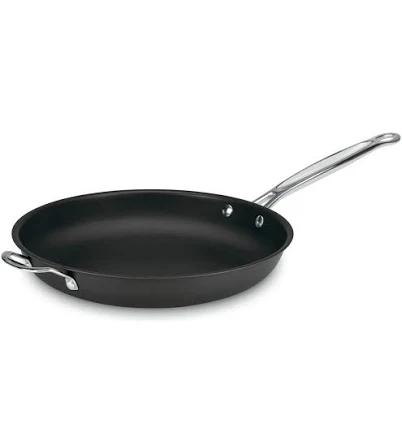
- anodized aluminum (hard-coat anodic oxidation)
- Coating degradation and leachables from breakdown
More nonstick skillets grades
How we score, every product runs through the same public 0-100 rubric based on materials, coatings, brand disclosure, lab findings, and recalls. See the full methodology → Spotted a mistake? Report an error.