CTX Nonstick Frying Pan, Is It Non-Toxic?
Skip until Scanpan discloses coating chemistry or certifies PFAS-free.
Scanpan makes nonstick cookware but does not publicly disclose coating type or PFAS status. Lack of transparency on forever chemicals in food-contact cookware warrants caution.
The better-graded swap
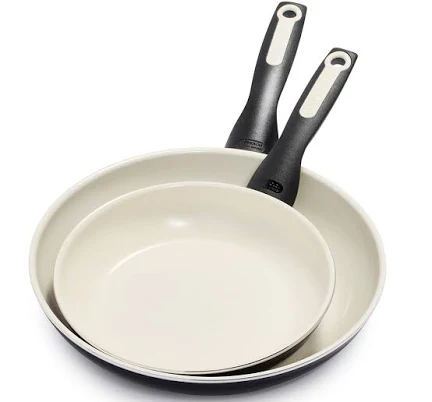
GreenPan
GreenPan Rio Ceramic Set
70/100 safety
Same rubric that flunked this product. The swap earned Good.
Still want this one anyway? Check the price on Amazon. We’d swap it.
Material
Nonstick coating, type unspecified
Brand disclosure
Brand is silent on PFAS
Lab data
No public lab test
You may also be interested in
Top-graded picks in the categories readers replace first, every one scored on the same rubric.

- polypropylene filter housing, carbon/sediment cartridge
- We found no PFAS statement from the brand
- Bacterial growth in spent cartridges
3 hazards checked on this product, all on its full breakdown.

Aquasure
Premier Series 75 GPD Under Sink Reverse Osmosis Water Filtration System
- RO membrane, carbon filters, stainless steel housing
- We found no PFAS statement from the brand
- Bacterial and microbial growth in housing and filters
4 hazards checked on this product, all on its full breakdown.

Avocado
Vegan Mattress
- organic cotton, natural latex, coconut coir, recycled steel coils
- The brand calls it PFAS-free, which we have not verified
- Heavy metals
2 hazards checked on this product, all on its full breakdown.
Is CTX Nonstick Frying Pan non-toxic? What it is made of
The CTX uses a nonstick coating of unspecified chemistry. Scanpan has not publicly identified whether this is Teflon-type coating-based, ceramic, silicone, or another polymer. This opacity is significant because nonstick cookware coatings differ sharply in thermal stability, degradation byproducts, and chemical migration risk. Without knowing the binder resin, hardener, or filler composition, independent assessment of off-gassing, leaching, or breakdown under normal use is not possible.
What’s concerning
Non-stick, chemistry undisclosed
Marketed as non-stick without stating the coating chemistry.
Category baseline
The starting point for this type of product, before anything specific to this product is counted.
No PFAS disclosure
No public statement from the brand about PFAS in this product.
Teflon-type coating fume risk and thermal decomposition
Coating type is unspecified; if Teflon-type coating-based, overheating above 500 degrees Fahrenheit can release polymer fume inhalation hazard. No public testing data or use warnings are documented for this model.
Coating degradation and leaching of subsurface metals or binders
Without disclosure of base layer composition, adhesion chemistry, or filler metals (e.g., cadmium, lead in older formulations), durability and safety under repeated heating or damage cannot be verified. Scanpan has not published coating longevity or failure mode data for the CTX.
Aluminum leaching from substrate
If the substrate is aluminum (typical for nonstick pans), coating integrity is critical to prevent aluminum migration into food. No published data on coating adhesion strength or warranty coverage for peeling is available.
Heavy metals
Lead, cadmium, and antimony have been used historically in industrial nonstick coatings as colorants or adhesion aids. Scanpan's silence on coating compliance with FDA, CPSC, or EU REACH restrictions leaves this unverified.
Source, FDA ↗What’s reassuring
Formaldehyde / VOCs
Nonstick coating resins and binders can contain or release formaldehyde-based hardeners or VOCs during curing and heating. No third-party testing or emission certification for the CTX has been made public.
Source, ATSDR ↗How is this PFAS grade calculated?
The brand's record and disclosure
Scanpan maintains a silent stance on PFAS content and coating chemistry details. The company has not published material safety data sheets for the CTX coating, ingredient lists, or third-party certifications (such as GOTS, OEKO-TEX, or CPSIA compliance) that would verify absence of heavy metals or restricted substances in glazes or the nonstick layer. This lack of transparency is uncommon among premium European cookware makers and limits consumer confidence.
How it compares in its category
Nonstick frying pans marketed as premium often use ceramic or ceramic-type hybrid coatings to differentiate from conventional Teflon-type coating. Scanpan's refusal to name its technology, combined with its poor PFAS safety rating, suggests the coating may still rely on fluorinated polymers or legacy processes. Competitors like GreenPan, Our Place, and Caraway explicitly market PFAS-free ceramic or ceramic-hybrid systems and provide accessible ingredient transparency, making the CTX an outlier in the premiumized cookware space.
If you buy it
If purchased despite disclosure gaps, use below 400 degrees Fahrenheit to minimize coating stress and potential degradation. Avoid metal utensils and abrasive cleaners, as coating damage can accelerate leaching of any subsurface metals or binders. Replace if the coating shows visible flaking, peeling, or discoloration. Do not preheat empty; heat promotes volatile off-gassing from unknown resin components. Hand wash only, as dishwasher cycles may degrade the coating faster.
What is not known about PFAS in this product?
- Basis
- Model estimate, 35% confidence, not a lab result
- Lab test
- None on record for this exact product
- Brand statement
- Scanpan has made none
Formulations change between production runs, so check the current label. How we grade.
What are the PFAS-free alternatives to CTX Nonstick Frying Pan?
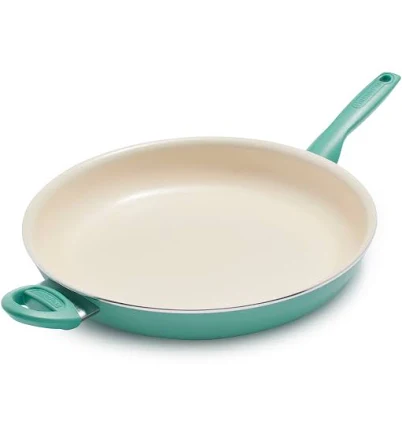
- ceramic nonstick coating
- The brand calls it PFAS-free, which we have not verified
- Coating degradation and particulate release
3 hazards checked on this product, all on its full breakdown.
- ceramic non-stick coating
- The brand calls it PFAS-free, which we have not verified
- Coating degradation and aluminum leaching
3 hazards checked on this product, all on its full breakdown.
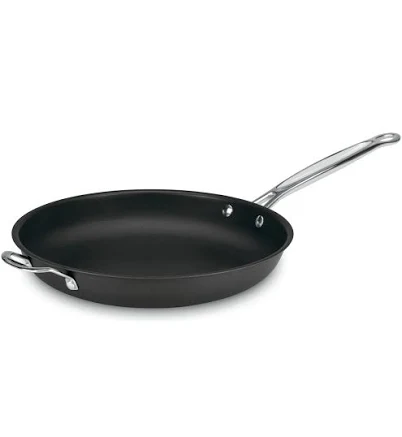
- anodized aluminum (hard-coat anodic oxidation)
- Coating degradation and leachables from breakdown
More nonstick skillets grades
How we score, every product runs through the same public 0-100 rubric based on materials, coatings, brand disclosure, lab findings, and recalls. See the full methodology → Spotted a mistake? Report an error.