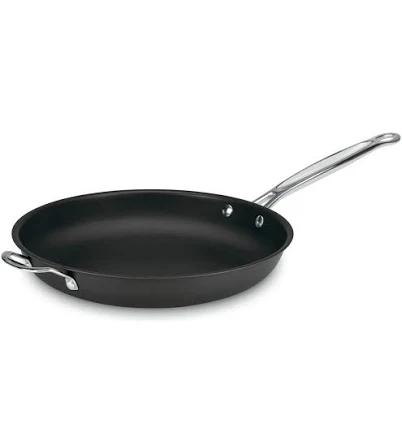
Cuisinart Chef's Classic Anodized Aluminum Skillet, Is It Non-Toxic?
Lower PFAS concern; anodized aluminum skips Teflon-family coating nonstick coatings entirely.
Cuisinart's Chef's Classic uses hard-coat anodic oxidation, an electrochemical process that creates a hard oxide layer instead of Teflon-type coating or Teflon-family coating nonstick. No PFAS claim exists.
The better-graded swap
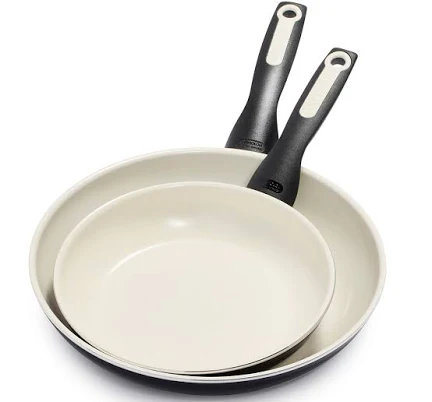
GreenPan
GreenPan Rio Ceramic Set
70/100 safety
Same rubric that flunked this product. The swap earned Good.
Still want this one anyway? Check the price on Amazon. We’d swap it.
Material
anodized aluminum (hard-coat anodic oxidation)
Lab data
No public lab test
You may also be interested in
Top-graded picks in the categories readers replace first, every one scored on the same rubric.

- polypropylene filter housing, carbon/sediment cartridge
- We found no PFAS statement from the brand
- Bacterial growth in spent cartridges
3 hazards checked on this product, all on its full breakdown.

Aquasure
Premier Series 75 GPD Under Sink Reverse Osmosis Water Filtration System
- RO membrane, carbon filters, stainless steel housing
- We found no PFAS statement from the brand
- Bacterial and microbial growth in housing and filters
4 hazards checked on this product, all on its full breakdown.

Avocado
Vegan Mattress
- organic cotton, natural latex, coconut coir, recycled steel coils
- The brand calls it PFAS-free, which we have not verified
- Heavy metals
2 hazards checked on this product, all on its full breakdown.
Is Cuisinart Chef's Classic Aluminum Skillet non-toxic? What it is made of
This skillet uses hard-coat anodic oxidation, an electrochemical process that converts the aluminum surface into a dense ceramic-like oxide layer. This barrier is what makes the pan nonstick without Teflon-family coating coatings like Teflon-type coating. The anodized layer is inert and very hard, meaning it resists scratching and does not leach aluminum into food under normal cooking conditions. This is fundamentally different from traditional nonstick (which uses PFAS) or bare aluminum (which can leach at high heat or in acidic conditions).
What’s concerning
Category baseline
The starting point for this type of product, before anything specific to this product is counted.
No PFAS disclosure
No public statement from the brand about PFAS in this product.
Coating degradation and leachables from breakdown
If the anodized surface is deeply scratched or abraded (e.g., by metal utensils or dishwasher use), localized breakdown can expose bare aluminum. Prolonged exposure to very acidic foods at the damaged site could theoretically permit minor aluminum leaching; dishwasher use is the primary risk factor.
What’s reassuring
Base material not linked to PFAS
The main material recorded for this product is not one associated with PFAS.
Aluminum leaching
Anodic oxidation creates a ceramic barrier that prevents aluminum ion release. No documented leaching from Cuisinart anodized cookware under normal cooking conditions or in acidic foods.
Teflon-type coating fume risk (thermal decomposition)
Anodized aluminum does not use Teflon-type coating or other Teflon-family coating nonstick coatings, eliminating this hazard class entirely. This is a key safety advantage over traditional nonstick pans.
Lead
No recalls or published test data link Cuisinart Chef's Classic anodized skillets to lead or cadmium contamination. Anodic oxidation uses sulfuric acid, not lead- or cadmium-bearing processes.
Source, ATSDR ↗Off-gassing or VOC emissions
Anodized aluminum is an inert oxide and does not off-gas volatile organic compounds. No odor or fume complaints specific to this product line are on record.
How is this PFAS grade calculated?
The brand's record and disclosure
Cuisinart does not publicly disclose detailed PFAS policies or third-party chemical safety certifications for this line. The brand has no major cookware safety recalls tied to coating failure or leaching in recent years. Cuisinart is owned by Conair and has a long history in the US kitchenware market; the Chef's Classic line is a popular mid-tier product with no documented controversies specific to chemical safety or coating integrity.
How it compares in its category
Anodized aluminum skillets sit between bare aluminum and traditional nonstick in both cost and performance. Unlike Teflon-type coating-coated pans, they are not linked to PFAS or Teflon-family coating fume risk, but the nonstick surface is less slippery and may require more oil or butter. They are more affordable than ceramic or stainless steel alternatives and more durable than uncoated aluminum. This product is a practical middle ground for cooks concerned about PFAS but not willing to sacrifice nonstick function or pay premium prices.
If you buy it
Hand wash only; anodized coatings can degrade in dishwashers. Avoid scouring pads and harsh abrasives; a soft sponge keeps the surface intact. Stay below 400-500F; anodized aluminum loses some nonstick performance at very high heat but does not release toxic fumes as Teflon-type coating can. Replace the pan if the anodized surface becomes visibly pitted or flaking, though this is rare with normal care.
What is not known about PFAS in this product?
- Basis
- Model estimate, 78% confidence, not a lab result
- Lab test
- None on record for this exact product
- Brand statement
- Cuisinart has made a specific claim
Formulations change between production runs, so check the current label. How we grade.
What are the PFAS-free alternatives to Cuisinart Chef's Classic Anodized Aluminum Skillet?
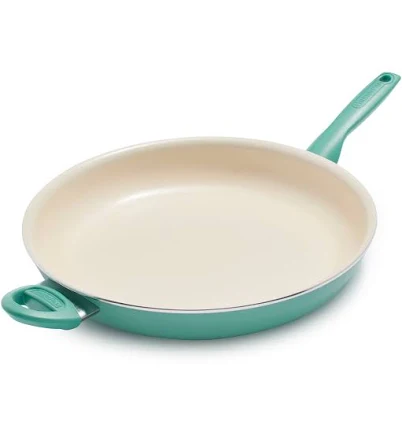
- ceramic nonstick coating
- The brand calls it PFAS-free, which we have not verified
- Coating degradation and particulate release
3 hazards checked on this product, all on its full breakdown.
- ceramic non-stick coating
- The brand calls it PFAS-free, which we have not verified
- Coating degradation and aluminum leaching
3 hazards checked on this product, all on its full breakdown.
More nonstick skillets grades
How we score, every product runs through the same public 0-100 rubric based on materials, coatings, brand disclosure, lab findings, and recalls. See the full methodology → Spotted a mistake? Report an error.