HaptIQ Nonstick Frying Pan 10 Inch, Is It Non-Toxic?
Skip until coating type is disclosed; Scanpan nonstick composition unclear.
Scanpan's HaptIQ nonstick coating composition is not publicly detailed. Without disclosure of whether Teflon-type coating or other Teflon-family coating are used, PFAS risk cannot be assessed.
The better-graded swap
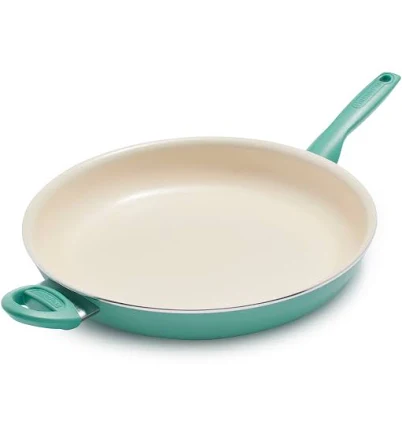
GreenPan
GreenPan Rio Ceramic Nonstick Frypan
70/100 safety
Same rubric that flunked this product. The swap earned Good.
Still want this one anyway? Check the price on Amazon. We’d swap it.
Material
Nonstick coating, type unspecified
Brand disclosure
Brand is silent on PFAS
Lab data
No public lab test
You may also be interested in
Top-graded picks in the categories readers replace first, every one scored on the same rubric.

- polypropylene filter housing, carbon/sediment cartridge
- We found no PFAS statement from the brand
- Bacterial growth in spent cartridges
3 hazards checked on this product, all on its full breakdown.

Aquasure
Premier Series 75 GPD Under Sink Reverse Osmosis Water Filtration System
- RO membrane, carbon filters, stainless steel housing
- We found no PFAS statement from the brand
- Bacterial and microbial growth in housing and filters
4 hazards checked on this product, all on its full breakdown.

Avocado
Vegan Mattress
- organic cotton, natural latex, coconut coir, recycled steel coils
- The brand calls it PFAS-free, which we have not verified
- Heavy metals
2 hazards checked on this product, all on its full breakdown.
Is HaptIQ Nonstick Frying Pan 10 Inch non-toxic? What it is made of
Scanpan markets this 10-inch frying pan with a proprietary nonstick coating but does not publicly specify whether it contains Teflon-type coating (Teflon), ceramic, or another polymer. The substrate material is not disclosed in available public sources. Without knowing the exact coating chemistry, evaluating degradation risk, fume hazards, and leaching potential is not possible. This opacity is unusual for major cookware brands and complicates informed purchasing.
What’s concerning
Non-stick, chemistry undisclosed
Marketed as non-stick without stating the coating chemistry.
Category baseline
The starting point for this type of product, before anything specific to this product is counted.
No PFAS disclosure
No public statement from the brand about PFAS in this product.
Teflon-type coating fume risk (thermal decomposition)
If the coating is Teflon-type coating-based, overheating can release fumes; without coating disclosure, you cannot verify heat limits or decomposition safeguards. Risk is highest above 500°F, but Scanpan does not publish a specific safe temperature ceiling in available public materials.
Coating degradation and particulate release
All nonstick coatings wear over time, especially under high heat or abrasion. Unknown composition means no way to predict wear rate, what particles might shed, or how long the coating will remain intact. Flaking or peeling is a known outcome for poorly maintained or low-durability nonstick cookware.
Aluminum or substrate leaching
If the substrate is bare or thinly coated aluminum, once the nonstick layer wears, aluminum can leach into acidic foods. Scanpan's lack of disclosed substrate material and coating durability specifications leaves this risk unquantified.
PFAS
Scanpan's PFAS safety grade is 35/100 and the brand has not committed to PFAS elimination or disclosed alternatives. Traditional nonstick coatings rely on PFAS chemistry; absent a public statement otherwise, PFAS presence in this pan is a reasonable concern.
Source, ATSDR ↗Lack of independent testing or certification
No public third-party safety tests, certifications, or recalls specific to this model exist on record. This is not evidence of safety; it reflects missing transparency and possibly limited market scrutiny.
How is this PFAS grade calculated?
The brand's record and disclosure
Scanpan has not published a clear PFAS stance or chemical disclosure for its nonstick cookware lines. The brand's poor PFAS safety grade of 35/100 reflects this silence and lack of transparency. No major recalls for this specific model are on record, but the absence of disclosure, rather than evidence of safety, is the core concern. Without third-party testing results or manufacturer certification, buyer trust depends on assumptions.
How it compares in its category
Established nonstick cookware brands typically disclose whether they use Teflon-type coating (with or without PFOA), ceramic, or metal oxide coatings. Scanpan's refusal to do so makes direct comparison difficult. Competitors like GreenPan, Our Place, and T-fal publish coating details and PFAS commitments. For the same price point, you can find pans from brands with transparent chemical policies and lower PFAS risk profiles.
If you buy it
Use only at medium heat; nonstick coatings degrade fastest at high temperatures, and degradation risk increases when composition is unknown. Hand wash only; dishwashers accelerate coating wear. Replace the pan if the coating shows visible scratching, peeling, or flaking. Before purchase, contact Scanpan directly and request their nonstick coating specification sheet; if they do not provide it, that silence itself is a red flag worth respecting.
What is not known about PFAS in this product?
- Basis
- Model estimate, 35% confidence, not a lab result
- Lab test
- None on record for this exact product
- Brand statement
- Scanpan has made none
Formulations change between production runs, so check the current label. How we grade.
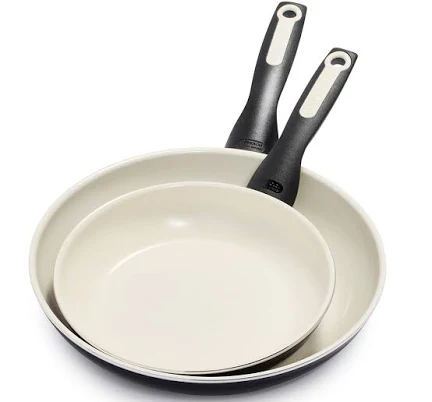
What are the PFAS-free alternatives to HaptIQ Nonstick Frying Pan 10 Inch?
- ceramic nonstick coating
- The brand calls it PFAS-free, which we have not verified
- Coating degradation and particulate release
3 hazards checked on this product, all on its full breakdown.
- ceramic non-stick coating
- The brand calls it PFAS-free, which we have not verified
- Coating degradation and aluminum leaching
3 hazards checked on this product, all on its full breakdown.
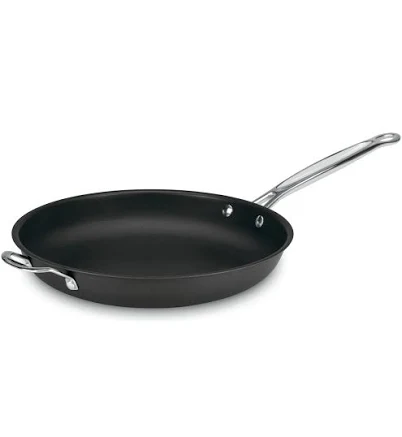
- anodized aluminum (hard-coat anodic oxidation)
- Coating degradation and leachables from breakdown
More nonstick skillets grades
How we score, every product runs through the same public 0-100 rubric based on materials, coatings, brand disclosure, lab findings, and recalls. See the full methodology → Spotted a mistake? Report an error.