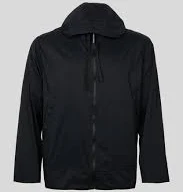
Canada Goose Men's Killarney Wind Jacket
water-repellent coating-coated jacket; PFAS risk uncertain without material disclosure.
Canada Goose does not publicly disclose PFAS use or absence in this wind jacket. Nylon with water-repellent treatment typically uses water-repellent coating coatings that may contain PFAS; brand silence on chemistry creates concern.
Still want this one anyway? Check the price on Amazon. We’d swap it.
Material
Nylon with water-repellent coating finish
Brand disclosure
Brand is silent on PFAS
Lab data
No public lab test
What Canada Goose Men's Killarney Wind Jacket is made of, ingredients and materials
The Killarney is nylon with a water-repellent coating (water-repellent coating) finish. Nylon itself is a synthetic polymer with low toxicity in normal use, but the water-repellent coating is the concern. Canada Goose has not publicly disclosed whether this jacket uses PFAS-based or PFAS-free water repellent chemistry. Industry-standard water-repellent coating finishes have historically relied on PFOA or PFOS (legacy PFAS), though alternatives not linked to these specific chemicals exist. Without material transparency, the chemical composition of this specific jacket remains unclear.
What’s concerning
Waterproof / stain-resistant treatment
Water-repellent coating treatments have historically used PFAS.
Category baseline
The starting point for this type of product, before anything specific to this product is counted.
No PFAS disclosure
No public statement from the brand about PFAS in this product.
PFAS
Canada Goose does not publicly disclose whether this jacket uses PFAS-based or PFAS-free water-repellent coating. Industry practice suggests PFAS-based finishes remain common in this product class, but no specific testing or recall data exists for this model.
Source, ATSDR ↗water-repellent coating finish durability and re-treatment necessity
All water-repellent coating finishes degrade with washing and wear. After 2-3 years or when water beading stops, the finish loses effectiveness and requires professional or DIY re-application, adding cost and chemical exposure over the garment's life.
What’s reassuring
Formaldehyde / VOCs
Nylon apparel from established manufacturers like Canada Goose is not associated with documented formaldehyde contamination. No recalls or reports link this brand to formaldehyde issues in outerwear.
Source, ATSDR ↗Heavy metals
Canada Goose products are not on record for azo dye or heavy metal contamination. The brand sources from established suppliers but does not publish third-party dye or pigment testing results.
Source, FDA ↗Antimony in polyester components
The Killarney is nylon-dominant with minimal polyester trim. No documented issues with antimony in Canada Goose garments exist in public records.
The full breakdown
The brand's record and disclosure
Canada Goose has not published comprehensive supply-chain chemical disclosures or water-repellent coating sourcing statements comparable to some outdoor competitors. The brand does not list PFAS-avoidance commitments on its website. This silence is notable given that other premium outerwear brands (Patagonia, Arc'teryx) have moved toward PFAS-free water-repellent coating or disclosed their use openly. Without proactive transparency, consumers cannot verify what chemicals are in the finish.
How it compares in its category
Most premium nylon windbreakers in this price tier use water-repellent coating coatings, and many still rely on legacy PFAS chemistry. However, PFAS-free alternatives (polyurethane-based, paraffin, or fluorine-free wax water-repellent coating) are increasingly available from brands like Patagonia and REI Co-op lines. The Killarney's lack of public material disclosure puts it behind category leaders in transparency, though the garment itself is durable and well-reviewed for performance.
If you buy it
Wash infrequently to minimize chemical exposure from finish degradation; use cool water and mild detergent, and avoid fabric conditioners that can degrade water-repellent coating. Do not dry-clean, as solvents may accelerate finish breakdown. Re-apply water-repellent coating treatment (using a product you control) every 2-3 years or when water beading declines. If chemical transparency is important to you, contact Canada Goose directly requesting water-repellent coating composition before purchase.
What we don’t know
- Basis
- Model estimate, 45% confidence, not a lab result
- Lab test
- None on record for this exact product
- Brand statement
- Canada Goose has made none
Formulations change between production runs, so check the current label. How we grade.
More rain jackets grades
How we score, every product runs through the same public 0-100 rubric based on materials, coatings, brand disclosure, lab findings, and recalls. See the full methodology → Spotted a mistake? Report an error.