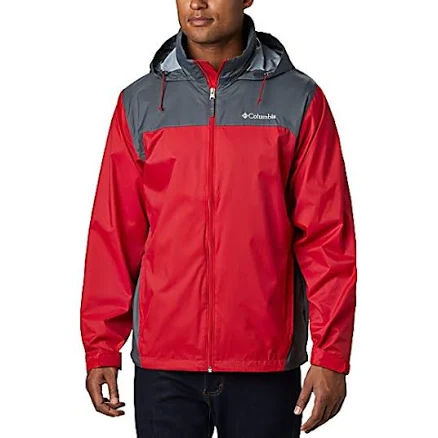
Columbia Men's Glennaker Lake Rain Jacket
Undisclosed water-repellent coating chemistry makes this a moderate risk.
This nylon rain jacket has a standard water-repellent treatment, but Columbia keeps its water-repellent coating chemistry private and doesn't confirm PFAS avoidance. Without transparency or testing, conventional fluorocarbon-based water-repellent coating is possible.
Still want this one anyway? Check the price on Amazon. We’d swap it.
Material
Nylon with water-repellent coating (water-repellent coating) coating
Lab data
No public lab test
You may also be interested in
Top-graded picks in the categories readers replace first, every one scored on the same rubric.

- polypropylene filter housing, carbon/sediment cartridge
- We found no PFAS statement from the brand
- Bacterial growth in spent cartridges
3 hazards checked on this product, all on its full breakdown.

Aquasure
Premier Series 75 GPD Under Sink Reverse Osmosis Water Filtration System
- RO membrane, carbon filters, stainless steel housing
- We found no PFAS statement from the brand
- Bacterial and microbial growth in housing and filters
4 hazards checked on this product, all on its full breakdown.

Avocado
Vegan Mattress
- organic cotton, natural latex, coconut coir, recycled steel coils
- The brand calls it PFAS-free, which we have not verified
- Heavy metals
2 hazards checked on this product, all on its full breakdown.
What Columbia Men's Glennaker Lake Rain Jacket is made of, ingredients and materials
The Glennaker Lake uses nylon fabric with a water-repellent coating (water-repellent coating) coating applied to the exterior. water-repellent coating treatments historically relied on PFAS "forever chemicals" (PFAS) to repel water, though some manufacturers have transitioned to fluorine-free alternatives. Columbia has not publicly disclosed whether this jacket uses legacy PFAS-based water-repellent coating or a newer chemistry, which is the primary chemical concern for this product.
What’s concerning
Category baseline
The starting point for this type of product, before anything specific to this product is counted.
No PFAS disclosure
No public statement from the brand about PFAS in this product.
Waterproof / stain-resistant treatment
Water-repellent coating treatments have historically used PFAS.
PFAS
Nylon rain jackets typically use water-repellent coating treatments; Columbia has not disclosed whether this jacket contains PFAS-based or fluorine-free chemistry. Skin contact and air inhalation during wear pose low-level exposure risk if PFAS is present, particularly when wet or when water-repellent coating degrades.
Source, ATSDR ↗Coating degradation and chemical volatilization
Water-repellent coating coatings degrade over time and with washing. If PFAS-based water-repellent coating is used, degradation may increase exposure as chemicals migrate into sweat or degrade into other compounds during normal wear, especially in warm conditions.
Polyurethane lining off-gassing
If the jacket includes a polyurethane or polyester lining (common in rain jackets), volatile organic compounds (VOCs) may off-gas, especially in warm or humid conditions. This typically diminishes within the first few wears after purchase.
What’s reassuring
Formaldehyde / VOCs
Nylon textiles can contain formaldehyde-releasing resins from dye processes. No specific recalls or reports exist for the Glennaker Lake, but this is a baseline risk in synthetic apparel. Washing before wear reduces residual formaldehyde exposure.
Source, ATSDR ↗Azo dyes in colored textile portions
Dark-colored nylon jackets may use azo dyes, which can release aromatic amines under stress or perspiration. No specific issues are documented for Columbia's Glennaker Lake, but this is a general concern for synthetic outdoor apparel.
How is this PFAS grade calculated?
The brand's record and disclosure
Columbia Sportswear has not made a formal public commitment to eliminating PFAS from its product line, nor does it routinely disclose water-repellent coating chemistry on product labels or websites. The company is silent on this issue compared to competitors like Patagonia and Arc'teryx, which have announced transitions away from PFC-based water repellents. This absence of transparency makes it difficult for consumers to assess PFAS exposure from Columbia rain gear.
How it compares in its category
Nylon rain jackets with water-repellent coating coatings are standard across the outdoor apparel industry, and most remain PFAS-dependent or unverified. Columbia's Glennaker Lake is priced in the mainstream range ($100, 150) and offers typical durability for this price tier. Brands like REI Co-op, Patagonia, and Fjallraven offer comparable jackets with either disclosed PFAS-free water-repellent coating or transparent material sourcing, giving consumers more information for informed choice.
If you buy it
Wash in cool water and avoid high-heat drying, as excessive heat can degrade the water-repellent coating and potentially volatilize any residual chemical treatments. Inspect seams and coating annually; reapply water-repellent coating every 1-2 years if water no longer beads on the surface (use a fluorine-free water-repellent coating product if PFAS is a concern). Store dry and away from direct sunlight to prevent coating breakdown. If water-repellent coating chemistry matters to you, contact Columbia directly to confirm whether this model uses PFAS-based or PFAS-free treatments.
What is not known about PFAS in this product?
- Basis
- Model estimate, 45% confidence, not a lab result
- Lab test
- None on record for this exact product
- Brand statement
- Columbia has made a specific claim
Formulations change between production runs, so check the current label. How we grade.
More rain jackets grades
How we score, every product runs through the same public 0-100 rubric based on materials, coatings, brand disclosure, lab findings, and recalls. See the full methodology → Spotted a mistake? Report an error.