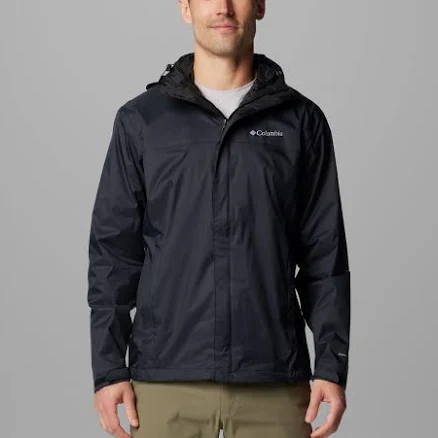
Columbia Men's Watertight II Jacket
Skip or contact Columbia directly, waterproof apparel commonly uses PFAS.
The Columbia Watertight II jacket uses a water-repellent coating-treated synthetic outer shell typical of waterproof outerwear, a category historically reliant on PFAS-based coatings. Columbia makes no public disclosure of PFAS use.
Still want this one anyway? Check the price on Amazon. We’d swap it.
Material
Polyester with water-repellent coating (water-repellent coating) coating
Lab data
No public lab test
You may also be interested in
Top-graded picks in the categories readers replace first, every one scored on the same rubric.

- polypropylene filter housing, carbon/sediment cartridge
- We found no PFAS statement from the brand
- Bacterial growth in spent cartridges
3 hazards checked on this product, all on its full breakdown.

Aquasure
Premier Series 75 GPD Under Sink Reverse Osmosis Water Filtration System
- RO membrane, carbon filters, stainless steel housing
- We found no PFAS statement from the brand
- Bacterial and microbial growth in housing and filters
4 hazards checked on this product, all on its full breakdown.

Avocado
Vegan Mattress
- organic cotton, natural latex, coconut coir, recycled steel coils
- The brand calls it PFAS-free, which we have not verified
- Heavy metals
2 hazards checked on this product, all on its full breakdown.
What Columbia Men's Watertight II Jacket is made of, ingredients and materials
The Watertight II jacket is polyester with a water-repellent coating (water-repellent coating) finish. water-repellent coating coatings are applied topically to repel water without creating a fully waterproof membrane, unlike laminated fabrics. Polyester itself is chemically stable in normal wear, but the water-repellent coating finish is the variable, many brands use fluorine-based compounds (PFAS) because they are highly effective at water repulsion, though some manufacturers have switched to fluorine-free alternatives. Columbia has not publicly disclosed which chemistry is used in this model.
What’s concerning
Category baseline
The starting point for this type of product, before anything specific to this product is counted.
No PFAS disclosure
No public statement from the brand about PFAS in this product.
Waterproof / stain-resistant treatment
Water-repellent coating treatments have historically used PFAS.
Formaldehyde / VOCs
Formaldehyde-based resins are sometimes used in polyester fabric finishing to improve crease resistance and wrinkle recovery. Columbia does not advertise formaldehyde-free processing for this model. Off-gassing is minimal in wear but may be noticeable after initial purchase; airing out the jacket can reduce residual odor.
Source, ATSDR ↗water-repellent coating degradation and reapplication hazards
As water-repellent coating wears down over time, some users retreat jackets with aftermarket fluorine-based products (Nikwax, Grangers), which reintroduce PFAS exposure. Fluorine-free alternatives exist but are less widely available. If concerned about PFAS, plan for eventual replacement rather than repeated recoating.
VOC off-gassing from synthetic materials
Polyester and water-repellent coating coatings may off-gas volatile organic compounds during the first few wears. This is typically mild and resolves within days of airing. Individuals sensitive to synthetic odors should allow the jacket to air in a well-ventilated space before wearing.
What’s reassuring
Azo dyes in polyester
No specific recalls or reports of restricted azo dyes in Columbia Watertight II jackets. Polyester is typically dyed with dye classes linked to lower concern than those used for natural fibers. If a concern, verify dye certification (Oeko-Tex Standard 100) on the garment tag; this product does not appear to carry such labeling based on publicly available information.
Antimony in polyester fiber
Polyester production may use antimony trioxide as a catalyst, but residual levels in finished fibers are typically very low and not a known hazard in normal wear. No recalls or safety alerts for Columbia rain apparel on this basis have been recorded.
How is this PFAS grade calculated?
The brand's record and disclosure
Columbia Sportswear has no widely documented sustainability certifications (such as Bluesign or Oeko-Tex) for its mainstream rain apparel line. The brand has not published a list of PFAS-free products or a timeline to eliminate PFAS from waterproof items. Industry reports note that Columbia, like many large outdoor brands, has been slower than some competitors (The North Face, Arc'teryx) to commit to public PFAS phase-out dates. Direct contact with the company remains the most reliable way to determine water-repellent coating chemistry for this specific jacket.
How it compares in its category
Rain jackets with water-repellent coating coatings occupy the mid-tier of the waterproofing spectrum, they resist light to moderate rain and dry quickly, but do not match the durability of sealed-seam, fully laminated shells. Columbia's Watertight II is positioned as an affordable, practical option. Competitors using certified fluorine-free water-repellent coating (Patagonia, some REI Co-op models) command higher prices; mass-market alternatives (unbranded polyester rainwear) typically have even less transparency on water-repellent coating composition.
If you buy it
Wash in cool water with mild detergent and avoid fabric softeners, which can clog the water-repellent coating finish and reduce water repellency. Do not dry-clean or use high heat drying; air dry or low-temperature tumble drying preserves the coating. Expect water-repellent coating performance to degrade after 30-50 washes; some manufacturers sell water-repellent coating reapplication products (fluorine-based or fluorine-free), so verify the chemistry before retreating. Store in a dry space to prevent mildew, which can develop in synthetic fabrics if left damp.
What is not known about PFAS in this product?
- Basis
- Model estimate, 45% confidence, not a lab result
- Lab test
- None on record for this exact product
- Brand statement
- Columbia has made a specific claim
Formulations change between production runs, so check the current label. How we grade.
More rain jackets grades
How we score, every product runs through the same public 0-100 rubric based on materials, coatings, brand disclosure, lab findings, and recalls. See the full methodology → Spotted a mistake? Report an error.