Celebrate It · Parchment Paper & Baking Liners
20 x 20 Silicone Baking Mat
Lower concern. Silicone baking mats rarely use PFAS.
Silicone baking mats are inherently lower concern for PFAS compared to nonstick cookware. No brand disclosure available, but the material itself does not typically require fluorochemical treatments.
We flunk more products than we pass. This one earned its grade. How we grade
Material
silicone elastomer
Brand disclosure
Brand is silent on PFAS
Lab data
No public lab test
You may also be interested in
Top-graded picks in the categories readers replace first, every one scored on the same rubric.

- polypropylene filter housing, carbon/sediment cartridge
- We found no PFAS statement from the brand
- Bacterial growth in spent cartridges
3 hazards checked on this product, all on its full breakdown.

Aquasure
Premier Series 75 GPD Under Sink Reverse Osmosis Water Filtration System
- RO membrane, carbon filters, stainless steel housing
- We found no PFAS statement from the brand
- Bacterial and microbial growth in housing and filters
4 hazards checked on this product, all on its full breakdown.

Avocado
Vegan Mattress
- organic cotton, natural latex, coconut coir, recycled steel coils
- The brand calls it PFAS-free, which we have not verified
- Heavy metals
2 hazards checked on this product, all on its full breakdown.
What 20 x 20 Silicone Baking Mat is made of, ingredients and materials
This mat is silicone elastomer, a cross-linked polymer that does not contain BPA, phthalates, or PVC plasticizers. Silicone's molecular structure is stable at moderate temperatures and does not readily leach chemicals into food during normal baking use. Unlike non-stick coatings (Teflon-type coating), silicone does not produce fumes if accidentally overheated, though it has upper temperature limits beyond which degradation can occur.
What’s concerning
Category baseline
The starting point for this type of product, before anything specific to this product is counted.
No PFAS disclosure
No public statement from the brand about PFAS in this product.
Silicone degradation at high heat
Silicone elastomers can soften or off-gas volatile compounds if exposed to sustained temperatures above 450F. Typical baking uses (300-425F) remain within safe margins; oven broiler or direct flame contact poses risk.
Microplastics
Repeated flexing, cutting, or scratching of silicone can generate particulate matter. Risk is low during normal baking but increases if the mat is scored, torn, or rubbed aggressively during cleaning.
Source, EPA ↗Mold or bacterial growth in creases
Permanent folds or damage can trap moisture and food residue, creating niches for microbial growth if the mat is stored damp or not dried thoroughly after washing.
Adhesive or seam failure leachates
Silicone mats often have heat-sealed or glued edges. Degradation of adhesive under heat stress could theoretically release volatile organics, though this is not documented for this specific product.
What’s reassuring
Base material not linked to PFAS
The main material recorded for this product is not one associated with PFAS.
Leachables from uncured or low-grade silicone
No specific contamination reports exist for Celebrate It silicone mats. Well-cured food-grade silicone does not release oligomers or monomers under normal baking conditions, though manufacturing quality varies by supplier.
How is this PFAS grade calculated?
The brand's record and disclosure
Celebrate It is a Michaels house brand with no published material safety disclosures or third-party certifications on file for this product. The brand has not issued statements on PFAS use or manufacturing standards. No recalls or safety controversies specific to Celebrate It silicone baking mats are on record in public databases.
How it compares in its category
Silicone baking mats are considered lower-concern alternatives to traditional parchment paper and metal pans with unknown coatings. They avoid the Teflon-type coating fume risk associated with non-stick cookware and the recurring waste of disposable parchment. Glass or uncoated metal pans eliminate material leaching entirely but sacrifice non-stick convenience and heat distribution.
If you buy it
Do not exceed 400-425 degrees Fahrenheit (manufacturer limits vary; check your mat's label). Wash by hand with mild soap; dishwasher use may degrade seams or adhesion over years of use. Replace if you see visible tearing, discoloration, or reduced non-stick performance. Store flat or rolled loosely to prevent permanent creasing that can trap food particles.
What is not known about PFAS in this product?
- Basis
- Model estimate, 78% confidence, not a lab result
- Lab test
- None on record for this exact product
- Brand statement
- Celebrate It has made none
Formulations change between production runs, so check the current label. How we grade.
What are the PFAS-free alternatives to 20 x 20 Silicone Baking Mat?
- silicone-coated parchment paper
- The brand calls it PFAS-free, which we have not verified
- Paper degradation and particulate shedding
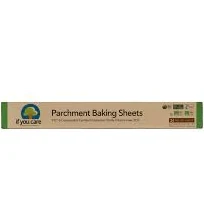
- unbleached paper with silicone coating
- The brand calls it PFAS-free, which we have not verified
- Silicone coating degradation at high heat
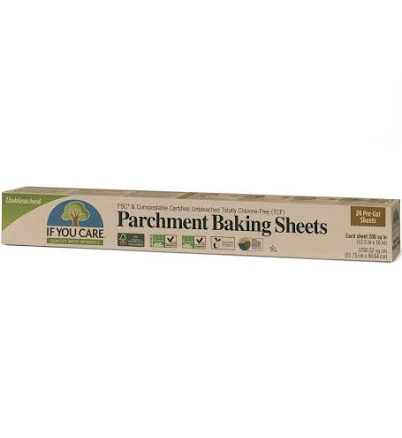
- bleached paper with silicone coating
- The brand calls it PFAS-free, which we have not verified
- Paper degradation and fragmentation
More parchment paper & baking liners grades
How we score, every product runs through the same public 0-100 rubric based on materials, coatings, brand disclosure, lab findings, and recalls. See the full methodology → Spotted a mistake? Report an error.