Celebrate It · Parchment Paper & Baking Liners
Silicone Macaron Mats
Lower concern. Silicone mats are not typically treated with PFAS.
Silicone macaron mats are made from silicone, an inherently PFAS-free elastomer with no water or stain-repellent coating needed. No PFAS disclosure issues identified.
We flunk more products than we pass. This one earned its grade. How we grade
Material
silicone
Brand disclosure
Brand is silent on PFAS
Lab data
No public lab test
You may also be interested in
Top-graded picks in the categories readers replace first, every one scored on the same rubric.

- polypropylene filter housing, carbon/sediment cartridge
- We found no PFAS statement from the brand
- Bacterial growth in spent cartridges
3 hazards checked on this product, all on its full breakdown.

Aquasure
Premier Series 75 GPD Under Sink Reverse Osmosis Water Filtration System
- RO membrane, carbon filters, stainless steel housing
- We found no PFAS statement from the brand
- Bacterial and microbial growth in housing and filters
4 hazards checked on this product, all on its full breakdown.

Avocado
Vegan Mattress
- organic cotton, natural latex, coconut coir, recycled steel coils
- The brand calls it PFAS-free, which we have not verified
- Heavy metals
2 hazards checked on this product, all on its full breakdown.
What Silicone Macaron Mats is made of, ingredients and materials
Silicone macaron mats are food-grade silicone polymer, typically vulcanized with heat and peroxide catalysts. Unlike Teflon-type coating (Teflon) or PVC, silicone does not produce toxic fumes when heated to normal baking temperatures (up to 400-450°F). The material itself is non-porous and resistant to moisture and oils, which reduces the risk of bacterial colonization or mold growth during storage compared to paper or fabric alternatives.
What’s concerning
Category baseline
The starting point for this type of product, before anything specific to this product is counted.
No PFAS disclosure
No public statement from the brand about PFAS in this product.
Silicone degradation and leaching at elevated heat
Food-grade silicone is stable at typical baking temperatures, but prolonged exposure above manufacturer limits or repeated high-heat cycles can degrade the polymer and release small amounts of siloxanes or oligomers into food. This is not commonly reported at standard home oven temperatures.
Bacterial or mold colonization if not dried completely
Silicone is non-porous and resists bacterial growth better than fabric, but moisture trapped in grooves or seams during storage can promote mold growth. Ensure complete drying before storage to avoid contamination risk.
What’s reassuring
Base material not linked to PFAS
The main material recorded for this product is not one associated with PFAS.
Colorant or additive migration
No specific leaching incidents are on record for Celebrate It silicone mats. However, silicone mats may contain pigments or UV stabilizers; migration into fatty foods (e.g., macaron shells with butter or oil) is theoretically possible but not documented for this brand or product type at normal use.
Allergen cross-contact from repeated use
Silicone mats are smooth and non-absorbent, so they do not trap allergens in fibers. However, scratches or gouges from utensils can create small crevices where food particles lodge; inspect regularly and discard if surface becomes pitted.
Off-gassing of residual vulcanization byproducts
Well-manufactured food-grade silicone undergoes adequate curing to minimize residual volatiles. No published complaints or testing specific to Celebrate It mats documents off-gassing; new mats may have a faint rubber odor that typically dissipates after first use.
How is this PFAS grade calculated?
The brand's record and disclosure
Celebrate It (Michaels' house brand) provides no published safety certifications or detailed material composition statements for this product. The brand has no documented history of recalls or safety controversies specific to silicone baking mats. No transparency regarding the vulcanization agents, colorants, or any post-manufacturing treatments is available in public sources.
How it compares in its category
Silicone mats are a mid-tier option between parchment paper (single-use, no leaching risk) and nonstick ceramic or coated metal (coating degradation concerns). Unlike PVC or thermoplastic mats, food-grade silicone does not typically leach plasticizers or BPA under normal baking use. They are more durable and reusable than disposable alternatives, reducing waste.
If you buy it
Hand wash with warm soapy water immediately after use; dishwasher safe but hand washing extends life. Do not exceed manufacturer temperature limits (usually 400-450°F); overheating can degrade the silicone and increase leaching risk. Replace if you notice discoloration, odor, or surface breakdown. Store flat or rolled loosely in a cool, dry place to prevent warping.
What is not known about PFAS in this product?
- Basis
- Model estimate, 78% confidence, not a lab result
- Lab test
- None on record for this exact product
- Brand statement
- Celebrate It has made none
Formulations change between production runs, so check the current label. How we grade.
What are the PFAS-free alternatives to Silicone Macaron Mats?
- silicone-coated parchment paper
- The brand calls it PFAS-free, which we have not verified
- Paper degradation and particulate shedding
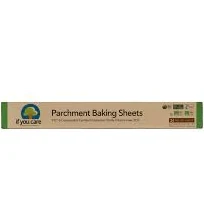
- unbleached paper with silicone coating
- The brand calls it PFAS-free, which we have not verified
- Silicone coating degradation at high heat
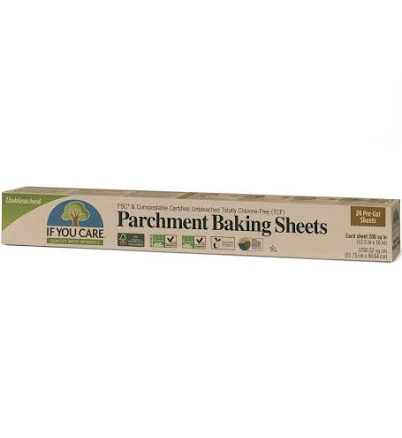
- bleached paper with silicone coating
- The brand calls it PFAS-free, which we have not verified
- Paper degradation and fragmentation
More parchment paper & baking liners grades
How we score, every product runs through the same public 0-100 rubric based on materials, coatings, brand disclosure, lab findings, and recalls. See the full methodology → Spotted a mistake? Report an error.