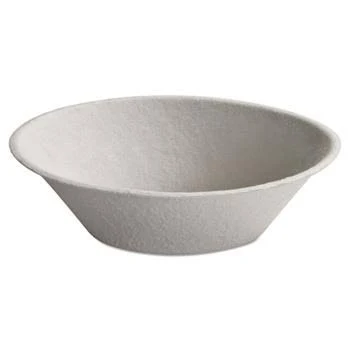
Chinet Savaday Molded Fiber Bowls
Low-medium PFAS risk; coating source unclear, verify if PFAS-avoidance matters.
Recycled paper pulp bowls include water and grease-resistant coating, but brand hasn't disclosed the coating composition or made PFAS-free claims.
The better-graded swap
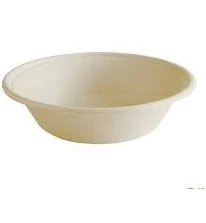
ECO-SYSTEMS Kraft Molded Fiber Bowl
100/100 safety
Same rubric that flunked this product. The swap earned Excellent.
Still want this one anyway? Check the price on Amazon. We’d swap it.
Material
Molded fiber (recycled paper pulp) with water/grease-resistant coating
Brand disclosure
Brand is silent on PFAS
Lab data
No public lab test
You may also be interested in
Top-graded picks in the categories readers replace first, every one scored on the same rubric.

Aqua Pure
3M Aqua-Pure AP802B Whole House Filter Housing
- polypropylene filter housing, carbon/sediment cartridge
- We found no PFAS statement from the brand
- Bacterial growth in spent cartridges
3 hazards checked on this product. See all of them.

Aquasure
Premier Series 75 GPD Under Sink Reverse Osmosis Water Filtration System
- RO membrane, carbon filters, stainless steel housing
- We found no PFAS statement from the brand
- Bacterial and microbial growth in housing and filters
4 hazards checked on this product. See all of them.

Avocado
Vegan Mattress
- organic cotton, natural latex, coconut coir, recycled steel coils
- The brand calls it PFAS-free, which we have not verified
- Heavy metals
2 hazards checked on this product. See all of them.
What Chinet Savaday Molded Fiber Bowls is made of, ingredients and materials
Chinet Savaday bowls are made from molded fiber, which is recycled paper pulp compressed into shape. The pulp itself is inert for food contact, but the critical concern is the water and grease-resistant coating applied to the surface. This coating is what prevents the bowl from becoming soggy or leaking oils; however, the chemical identity of that coating is not disclosed by the brand, making it impossible to rule out PFAS or other synthetic repellents.
What’s concerning
Category baseline
The starting point for this type of product, before anything specific to this product is counted.
No PFAS disclosure
No public statement from the brand about PFAS in this product.
Waterproof / stain-resistant treatment
Water-repellent coating treatments have historically used PFAS.
PFAS
The brand has not disclosed the chemical identity of the repellent coating. Molded fiber food-contact coatings historically used PFAS-based compounds; Chinet's silence suggests no commitment to PFAS-free alternatives, making exposure possible if the coating migrates into food.
Source, ATSDR ↗Coating leaching from heat or acid exposure
Unknown coating chemistry means unpredictable behavior under stress. Hot foods, acidic foods, and microwave heating can accelerate breakdown and leaching of coating components into food; risk is mitigated if use is limited to cold/room-temp foods.
Microplastics
If the coating degrades (tears, flaking, or breakdown over time), fragments could shed into food. This is most likely if bowls are reused beyond single-use or stored improperly, though molded fiber is generally more resistant to fragmentation than some plastics.
Source, EPA ↗What’s reassuring
Ink or dye migration from printed branding
Chinet bowls typically have printed logos and text on the exterior. No specific recalls or reports exist for ink migration in this product line, but exterior inks can migrate if bowls contact acidic or oily foods on the outside; risk is negligible if food is only in contact with the interior.
Formaldehyde / VOCs
Recycled paper pulp can retain trace formaldehyde from manufacturing or recycling processes. Levels in molded fiber foodware are typically far below food-contact safety thresholds, and no reports exist for Chinet products; however, brand does not provide testing data to confirm.
Source, ATSDR ↗The full breakdown
The brand's record and disclosure
Chinet (owned by Huhtamaki) has not publicly committed to PFAS-free food-contact products or provided detailed coating transparency. The company does not appear on lists of brands explicitly avoiding PFAS in disposable foodware. No major recalls or contamination incidents are on record for this specific product line, but the silence on coating chemistry is a red flag for consumers seeking assurance.
How it compares in its category
Molded fiber bowls are linked to lower concern than plastic or foam alternatives for single-use food service because they avoid BPA, phthalates, and styrene leaching. However, competitors like Bambu and World Centric have begun disclosing PFAS-free coatings or using plant-based alternatives. Chinet's lack of transparency places it in the middle of the pack for eco-conscious and safety-aware consumers.
If you buy it
Use these bowls for cold and room-temperature foods only; heat can accelerate any coating degradation or leaching. Do not microwave or use with hot liquids above 160°F. Inspect bowls before use for visible damage, tears, or breakdown of the coating; discard compromised units. Store in a cool, dry place away from direct sunlight to minimize coating degradation over time.
What we don’t know
- Basis
- Model estimate, 55% confidence, not a lab result
- Lab test
- None on record for this exact product
- Brand statement
- Chinet has made none
Formulations change between production runs, so check the current label. How we grade.
Better-graded alternatives in Compostable Bowls
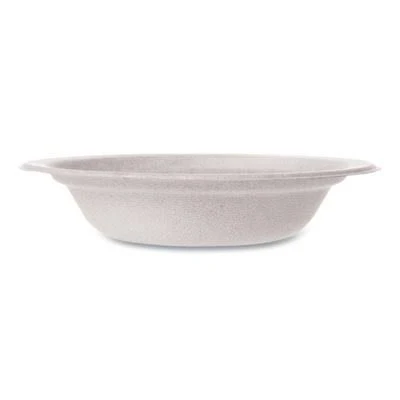
Bridge-Gate 12 oz. White Bagasse Bowl (1000 per Case)
- bagasse (sugarcane fiber), uncoated
- A third party reports verifying it as PFAS-free
- Mold or microbial growth during storage or use
3 hazards checked on this product. See all of them.
ECO-SYSTEMS Kraft Molded Fiber Bowl
- Kraft molded fiber (uncoated or minimal treatment)
- A third party reports verifying it as PFAS-free
- Moisture absorption and microbial growth
3 hazards checked on this product. See all of them.
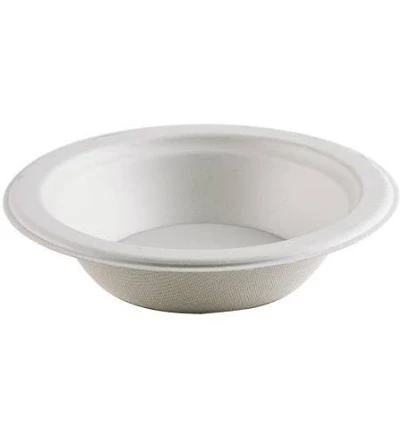
Eco-Products
EP-BL12 Renewable and Compostable Molded Fiber Bowl, 12 oz Capacity
- Molded fiber (recycled paper pulp)
- We found no PFAS statement from the brand
- Formaldehyde / VOCs
3 hazards checked on this product. See all of them.
More compostable bowls grades
How we score, every product runs through the same public 0-100 rubric based on materials, coatings, brand disclosure, lab findings, and recalls. See the full methodology → Spotted a mistake? Report an error.