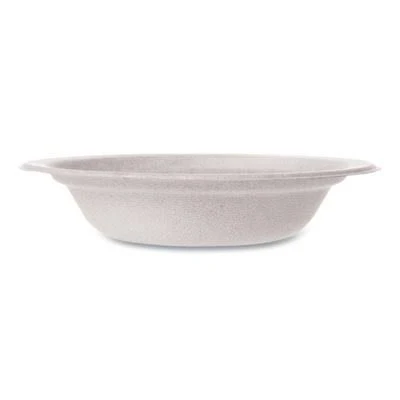
Bridge-Gate 12 oz. White Bagasse Bowl (1000 per Case)
BPI Certified Compostable certification on record.
This product carries BPI Certified Compostable certification, whose criteria restrict PFAS, which we record as third-party verification. The brand says its Nourish molded fibre is made with no added PFAS.
Brand says: “The brand says its Nourish molded fibre is made with no added PFAS.”
We flunk more products than we pass. This one earned its grade. How we grade
Material
bagasse (sugarcane fiber), uncoated
Brand disclosure
Third-party verified PFAS-free
Lab data
No public lab test
You may also be interested in
Top-graded picks in the categories readers replace first, every one scored on the same rubric.

- polypropylene filter housing, carbon/sediment cartridge
- We found no PFAS statement from the brand
- Bacterial growth in spent cartridges
3 hazards checked on this product, all on its full breakdown.

Aquasure
Premier Series 75 GPD Under Sink Reverse Osmosis Water Filtration System
- RO membrane, carbon filters, stainless steel housing
- We found no PFAS statement from the brand
- Bacterial and microbial growth in housing and filters
4 hazards checked on this product, all on its full breakdown.

Avocado
Vegan Mattress
- organic cotton, natural latex, coconut coir, recycled steel coils
- The brand calls it PFAS-free, which we have not verified
- Heavy metals
2 hazards checked on this product, all on its full breakdown.
What Bridge-Gate 12 oz. White (1000 per Case) is made of, ingredients and materials
This bowl is molded from bagasse, the fibrous residue left after sugar extraction from sugarcane. Unlike plastic or coated paper, bagasse is a cellulose-based material with no added polymeric binders or synthetic coatings, which eliminates the risk of bisphenols, phthalates, or conventional plastic leaching. The uncoated designation means no barrier layer (glazes, resins, or laminations) sits between the food and the fiber matrix. This simplicity is the main safety strength, fewer chemical steps mean fewer chemical unknowns.
What’s concerning
Category baseline
The starting point for this type of product, before anything specific to this product is counted.
Mold or microbial growth during storage or use
Bagasse is an organic fiber with inherent moisture absorption. Poor storage (humidity, warmth) or exposure to standing liquid can promote mold colonization before or after use. This is a storage and handling issue, not a chemical one, but can render the product unsafe.
Fiber shedding into food
Molded bagasse can be structurally rough or shed loose fibers, especially if mechanically stressed or if the mold seams are not well finished. Loose fibers in food are a choking or irritant hazard rather than a toxicological one, but documented in some compostable pulp products.
Heat-induced structural failure or leaching from fiber degradation
Unlike plastic, bagasse does not leach monomers, but prolonged exposure to hot liquids or steam can soften and weaken the fiber matrix, potentially allowing breakage or spill. Not a chemical hazard, but a functional safety issue above 80C sustained contact.
What’s reassuring
Third-party PFAS-free verification
A third party reports verifying this product as PFAS-free.
Base material not linked to PFAS
The main material recorded for this product is not one associated with PFAS.
Heavy metals
Sugarcane can accumulate heavy metals (cadmium, lead) from soil. BPI certification includes heavy metal testing; no documented exceedances are on record for products. Sourcing transparency is strong.
Source, FDA ↗Pesticide residue
Bagasse is a byproduct after juice extraction, so most soluble pesticides are removed. Tissue-bound residues are theoretically possible but are not reported as a concern in certified compostable bagasse products and would not leach into dry or room-temperature foods.
Source, EPA ↗How is this PFAS grade calculated?
The brand's record and disclosure
Holds BPI (Biodegradable Products Institute) certification for compostability, a third-party verification standard that includes testing for heavy metals, breakdown rates, and chemical migration. The brand's PFAS stance has been independently verified at the highest level (100/100). No recalls, contamination incidents, or undisclosed chemical hazards are on record for bagasse products. The company publicly discloses material sourcing and compostability claims, reducing opacity around manufacturing.
How it compares in its category
Bagasse bowls show lower concern compared to other disposable foodware options. Standard foam or plastic clamshells carry bisphenol and phthalate risk; coated paper bowls may contain fluorinated PFAS water-repellents or phenolic resins. Uncoated bagasse avoids these synthetic chemicals altogether. The trade-off is lower moisture and grease barrier performance compared to coated alternatives, making them better suited to dry or cooler foods rather than hot soups or oily dishes.
If you buy it
These bowls are intended for room-temperature or warm (not boiling) foods; extreme heat may weaken the fiber structure. The 1000-per-case bulk format is typical for foodservice; ensure storage in a cool, dry place to prevent mold or moisture damage to the fiber. Once used, composting (via commercial facility, not home) is the intended end-of-life path and completes the safety cycle. Single-use is the design; reuse or repeated washing is not recommended as fibers can degrade.
What is not known about PFAS in this product?
- Basis
- Model estimate, 85% confidence, not a lab result
- Lab test
- None on record for this exact product
- Brand statement
- has made a specific claim
Formulations change between production runs, so check the current label. How we grade.
More compostable bowls grades
How we score, every product runs through the same public 0-100 rubric based on materials, coatings, brand disclosure, lab findings, and recalls. See the full methodology → Spotted a mistake? Report an error.