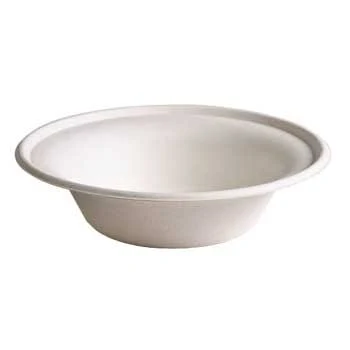
Green Wave International · Compostable Bowls
Green Wave Molded Fiber Bowls, 12 oz, White, 1200/Carton
Low-medium PFAS risk; molded fiber typically avoids PFAS pending coating verification.
Molded fiber bowls carry lower PFAS risk than plastic or coated alternatives. Some molded fiber containers receive water and grease-resistant coatings that may be PFAS-based, undisclosed here.
The better-graded swap
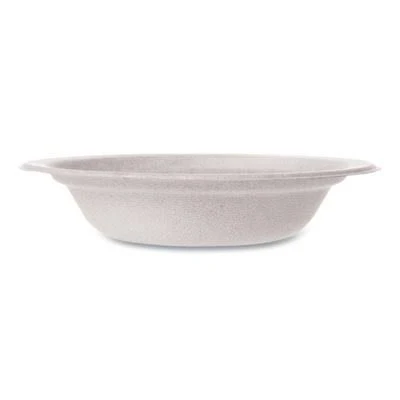
Bridge-Gate 12 oz. White Bagasse Bowl (1000 per Case)
100/100 safety
Same rubric that flunked this product. The swap earned Excellent.
Still want this one anyway? Check the price on Amazon. We’d swap it.
Material
molded fiber (likely recycled paper/pulp)
Brand disclosure
Brand is silent on PFAS
Lab data
No public lab test
You may also be interested in
Top-graded picks in the categories readers replace first, every one scored on the same rubric.

Aqua Pure
3M Aqua-Pure AP802B Whole House Filter Housing
- polypropylene filter housing, carbon/sediment cartridge
- We found no PFAS statement from the brand
- Bacterial growth in spent cartridges
3 hazards checked on this product. See all of them.

Aquasure
Premier Series 75 GPD Under Sink Reverse Osmosis Water Filtration System
- RO membrane, carbon filters, stainless steel housing
- We found no PFAS statement from the brand
- Bacterial and microbial growth in housing and filters
4 hazards checked on this product. See all of them.

Avocado
Vegan Mattress
- organic cotton, natural latex, coconut coir, recycled steel coils
- The brand calls it PFAS-free, which we have not verified
- Heavy metals
2 hazards checked on this product. See all of them.
What Green Wave Molded Fiber Bowls, 12 oz is made of, ingredients and materials
Green Wave Molded Fiber Bowls are made from recycled paper pulp or virgin wood fiber formed under heat and pressure into rigid bowls. This base material is inherently low-risk for leaching, as pulp does not contain BPA, phthalates, or the polymers that trigger those hazards. However, molded fiber products often receive surface coatings or water-resistant treatments to improve durability and grease resistance. The chemical identity of those coatings on this specific product is not disclosed publicly.
What’s concerning
Category baseline
The starting point for this type of product, before anything specific to this product is counted.
No PFAS disclosure
No public statement from the brand about PFAS in this product.
Waterproof / stain-resistant treatment
Water-repellent coating treatments have historically used PFAS.
Coating leachables (water-resistance treatment composition unknown)
Molded fiber bowls commonly receive silicone, wax, or fluorinated polymer coatings to resist moisture and grease. Greenway does not disclose the chemical class of coatings on these bowls, leaving uncertainty about whether they leach or migrate into food, especially in hot or fatty conditions.
Microplastics
If coatings or laminations on this product contain polymeric additives, they may fragment into microparticles during industrial composting or landfill decomposition rather than fully biodegrade. Without material transparency, this risk cannot be ruled out.
Source, EPA ↗What’s reassuring
Degradation byproducts from fiber breakdown
Recycled pulp bowls may shed fibers or particulates over time with heavy use or heat exposure. No published studies document harmful ingestion of molded fiber fragments, but mechanical damage and fraying should be inspected and bowls replaced if structural integrity declines.
Heavy metals
Recycled paper pulp used in molded fiber can theoretically carry trace contaminants from prior uses, but no recalls or regulatory alerts for Green Wave or typical molded fiber bowls document heavy metal contamination in the final product.
Source, FDA ↗Formaldehyde / VOCs
Some molded fiber production uses urea-formaldehyde resins as binders. Greenway does not confirm or deny use of such resins; however, formaldehyde release from food-contact molded fiber is not a commonly reported issue in consumer safety databases.
Source, ATSDR ↗The full breakdown
The brand's record and disclosure
Greenway does not publish detailed material safety data sheets, ingredient disclosures, or third-party certifications for this product line on readily available channels. No major recalls or regulatory actions against Greenway molded fiber bowls are documented in FDA or CPSC records. The brand markets these as compostable, but does not specify whether coatings meet compostability standards (e.g., ASTM D6868) or whether they contain PFAS-based water repellents, which is a common industry practice for molded fiber.
How it compares in its category
Molded fiber bowls occupy a middle ground between single-use plastics and certified compostable products. They avoid the BPA and phthalate risks of polycarbonate or polypropylene alternatives but introduce uncertainty around coating additives that competitors may also use without disclosure. Brands like Footprint and World Centric publish more extensive certifications (BPI compostability, PFOA-free claims), making them more transparent competitors in the category. Greenway's silence on these points is typical of mid-market suppliers but leaves users guessing about true environmental and health safety.
If you buy it
Avoid filling these bowls with foods hotter than 158 F (70 C) or prolonged contact with fatty/oily foods, which can degrade the fiber matrix and any coatings faster. Do not microwave; molded fiber is not heat-resistant enough for microwave use and heating may leach residues from coatings. Inspect bowls for visible wear, softening, or discoloration before use; dispose of damaged units immediately rather than composting, as degraded coatings may not break down as intended. If compostability is your goal, verify that your local composting facility accepts molded fiber products, as many industrial facilities are still catching up to material specifications.
What we don’t know
- Basis
- Model estimate, 72% confidence, not a lab result
- Lab test
- None on record for this exact product
- Brand statement
- Green Wave International has made none
Formulations change between production runs, so check the current label. How we grade.
Better-graded alternatives in Compostable Bowls
Bridge-Gate 12 oz. White Bagasse Bowl (1000 per Case)
- bagasse (sugarcane fiber), uncoated
- A third party reports verifying it as PFAS-free
- Mold or microbial growth during storage or use
3 hazards checked on this product. See all of them.
ECO-SYSTEMS Kraft Molded Fiber Bowl
- Kraft molded fiber (uncoated or minimal treatment)
- A third party reports verifying it as PFAS-free
- Moisture absorption and microbial growth
3 hazards checked on this product. See all of them.
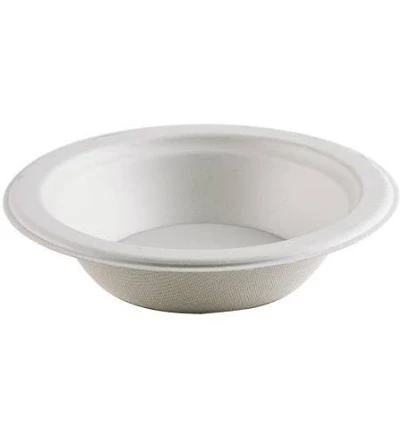
Eco-Products
EP-BL12 Renewable and Compostable Molded Fiber Bowl, 12 oz Capacity
- Molded fiber (recycled paper pulp)
- We found no PFAS statement from the brand
- Formaldehyde / VOCs
3 hazards checked on this product. See all of them.
More compostable bowls grades
How we score, every product runs through the same public 0-100 rubric based on materials, coatings, brand disclosure, lab findings, and recalls. See the full methodology → Spotted a mistake? Report an error.