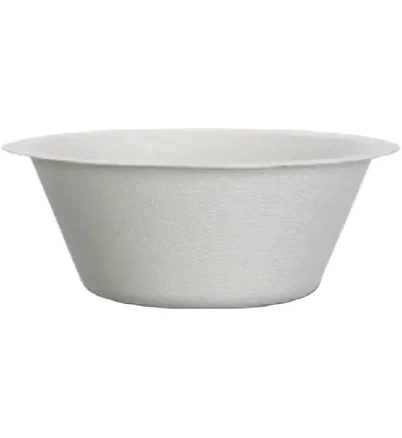
Responsible Products · Compostable Bowls
Responsible Products 32 oz Compostable Bowl Sugarcane Fiber
Lower PFAS concern, though brand transparency is needed.
Sugarcane fiber bowls pose lower PFAS risk than polymer-coated alternatives since the base material avoids fluorinated barriers. Since this brand shares no public PFAS information, contact them directly if PFAS matters to you.
We flunk more products than we pass. This one earned its grade. How we grade
Material
Sugarcane fiber (bagasse)
Brand disclosure
Brand is silent on PFAS
Lab data
No public lab test
You may also be interested in
Top-graded picks in the categories readers replace first, every one scored on the same rubric.

- polypropylene filter housing, carbon/sediment cartridge
- We found no PFAS statement from the brand
- Bacterial growth in spent cartridges
3 hazards checked on this product, all on its full breakdown.

Aquasure
Premier Series 75 GPD Under Sink Reverse Osmosis Water Filtration System
- RO membrane, carbon filters, stainless steel housing
- We found no PFAS statement from the brand
- Bacterial and microbial growth in housing and filters
4 hazards checked on this product, all on its full breakdown.

Avocado
Vegan Mattress
- organic cotton, natural latex, coconut coir, recycled steel coils
- The brand calls it PFAS-free, which we have not verified
- Heavy metals
2 hazards checked on this product, all on its full breakdown.
What Responsible Products 32 oz Sugarcane Fiber is made of, ingredients and materials
This bowl is made from sugarcane bagasse, the fibrous residue left after juice extraction from sugarcane. Bagasse-based foodware is chemically simpler than plastic or ceramic alternatives because it requires minimal synthetic binders or glazes. The fiber is typically bonded with starch-based or plant-derived adhesives, which break down readily in industrial compost. This material avoids the metal leaching risks of ceramic glazes, the Teflon-type coating fume risks of nonstick coatings, and the BPA/phthalate concerns of plastics.
What’s concerning
Category baseline
The starting point for this type of product, before anything specific to this product is counted.
No PFAS disclosure
No public statement from the brand about PFAS in this product.
Mold and microbial growth if stored improperly
Sugarcane fiber is hygroscopic and can retain moisture, creating conditions for mold or bacterial growth if bowls are stored in humid environments or not dried adequately after cleaning. This is a storage and hygiene issue rather than an inherent chemical hazard.
Coating or waterproofing additives (if present)
Some bagasse bowls use petroleum-based or synthetic polymer coatings to improve water resistance and barrier properties. Compostables Ltd does not disclose the composition of any such coating, making it impossible to rule out trace contaminants or PFAS-adjacent compounds.
Fiber degradation and particle shedding under heat or mechanical stress
Bagasse fiber can fragment or shed small particles if exposed to temperatures above its design range (typically 50-70°C) or if the bowl is scratched, bent, or mishandled. Ingestion of large amounts of bagasse particles is unlikely to cause acute harm, but is undesirable.
Lead
Industry-wide issue, many bagasse products marketed as compostable fail to meet industrial compost facility standards in practice, or decompose extremely slowly in home compost. Compostables Ltd provides no certification evidence, increasing the risk that this product will end up in landfill or persist longer than expected in compost.
Source, ATSDR ↗What’s reassuring
Base material not linked to PFAS
The main material recorded for this product is not one associated with PFAS.
Adhesive and binder leachables (starch-based and plant polymers)
Bagasse products typically use food-safe starch or plant-based adhesives that are generally recognized as low-toxicity. No established reports of leaching from bagasse bowls exist in published safety databases or regulatory warnings.
How is this PFAS grade calculated?
The brand's record and disclosure
Compostables Ltd has not publicly disclosed detailed testing data, certifications (such as BPI or TUV certification for compostability), or ingredient specifications for coatings or adhesives used in this bowl. The brand's PFAS stance is silent, meaning no public commitment to PFAS avoidance or independent testing is documented. Without third-party certification visible in major retailer listings or the brand's website, claims of compostability and material safety remain unverified by independent standards.
How it compares in its category
Sugarcane bagasse bowls are a middle-ground option between conventional plastics and fragile paper-based containers. Compared to typical compostable molded-fiber products, bagasse-based versions generally require fewer synthetic additives because the fiber structure is already relatively rigid. However, many competing bagasse products (including from more established manufacturers like World Centric and Footprint) carry explicit BPI or TUV certifications that this product does not advertise, creating a transparency gap.
If you buy it
Use these bowls for cold or lukewarm food only; sugarcane fiber containers are not designed for hot liquids above 50-60°C, as heat can degrade the fiber structure and potentially release adhesive particles. Store in a dry place away from moisture, as bagasse products can absorb water and become structurally unstable. Dispose in industrial compost facilities only; home compost or landfill will not break down the material reliably. Inspect each bowl before use for visible damage, mold, or off-odors, which may indicate degradation.
What is not known about PFAS in this product?
- Basis
- Model estimate, 72% confidence, not a lab result
- Lab test
- None on record for this exact product
- Brand statement
- Responsible Products has made none
Formulations change between production runs, so check the current label. How we grade.
What are the PFAS-free alternatives to Responsible Products 32 oz Compostable Bowl Sugarcane Fiber?
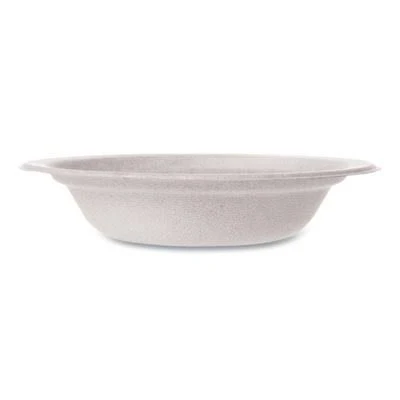
Bridge-Gate 12 oz. White Bagasse Bowl (1000 per Case)
- bagasse (sugarcane fiber), uncoated
- A third party reports verifying it as PFAS-free
- Mold or microbial growth during storage or use
3 hazards checked on this product, all on its full breakdown.
- Kraft molded fiber (uncoated or minimal treatment)
- A third party reports verifying it as PFAS-free
- Moisture absorption and microbial growth
3 hazards checked on this product, all on its full breakdown.
- sugarcane fiber, Kraft paper coating
- We found no PFAS statement from the brand
- Kraft paper coating migration (processing chemicals, sizing agents)
4 hazards checked on this product, all on its full breakdown.
More compostable bowls grades
How we score, every product runs through the same public 0-100 rubric based on materials, coatings, brand disclosure, lab findings, and recalls. See the full methodology → Spotted a mistake? Report an error.