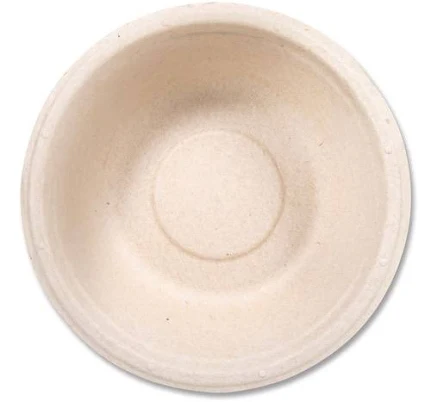
Dart Container · Compostable Bowls
Dart Compostable Molded Fiber Dinnerware ProPlanet Seal
Avoid without coating disclosure, molded fiber food packaging often relies on PFAS water barriers.
Molded fiber requires water-resistant coatings to block grease, and these coatings may contain PFAS. Dart's environmental seal does not confirm PFAS-free coating chemistry.
The better-graded swap
Green Wave International
12 oz Kraft Sugarcane Bowl
85/100 safety
Same rubric that flunked this product. The swap earned Excellent.
Still want this one anyway? Check the price on Amazon. We’d swap it.
Material
molded fiber (likely kraft pulp) with unspecified water-resistant coating
Brand disclosure
Brand is silent on PFAS
Lab data
No public lab test
You may also be interested in
Top-graded picks in the categories readers replace first, every one scored on the same rubric.

- polypropylene filter housing, carbon/sediment cartridge
- We found no PFAS statement from the brand
- Bacterial growth in spent cartridges
3 hazards checked on this product, all on its full breakdown.

Aquasure
Premier Series 75 GPD Under Sink Reverse Osmosis Water Filtration System
- RO membrane, carbon filters, stainless steel housing
- We found no PFAS statement from the brand
- Bacterial and microbial growth in housing and filters
4 hazards checked on this product, all on its full breakdown.

Avocado
Vegan Mattress
- organic cotton, natural latex, coconut coir, recycled steel coils
- The brand calls it PFAS-free, which we have not verified
- Heavy metals
2 hazards checked on this product, all on its full breakdown.
What Dart Compostable Molded ProPlanet Seal is made of, ingredients and materials
Dart ProPlanet molded fiber dinnerware is made from kraft pulp (recycled paper fibers), which is inherently compostable and free of plastic polymers. The critical unknown is the water-resistant coating applied to the fiber matrix. Molded fiber food packaging typically requires a water barrier to prevent grease and moisture penetration; most manufacturers historically relied on PFAS-based (fluorinated) coatings, though some have shifted to PFAS-free alternatives. Dart has not publicly disclosed which chemistry is used in this product line, making the coating composition a material safety gap.
What’s concerning
Category baseline
The starting point for this type of product, before anything specific to this product is counted.
Vague safety claims only
Uses vague language ("eco-friendly", "clean") without a specific PFAS statement.
Waterproof / stain-resistant treatment
Water-repellent coating treatments have historically used PFAS.
PFAS
Molded fiber dinnerware commonly uses PFAS-based coatings for water repellency. Dart has not disclosed coating chemistry; industry prevalence and brand silence suggest PFAS presence is possible. Migration to food during use, especially with fatty or acidic items, is documented for similar products.
Source, ATSDR ↗Coating degradation and fiber exposure
Molded fiber coatings are not durable under repeated use or high moisture. As coating wears, exposed kraft fibers can shed, soften, or absorb contaminants. No manufacturing defect recalls are on record for this product, but degradation is inherent to the material class and accelerates with misuse.
Microplastic or micro-fiber shedding
Coating breakdown or mechanical stress during use can release fine coating particles or cellulose fibers into food. Molded fiber products are not commonly tested for microplastic content, and Dart has published no data on this for ProPlanet dinnerware.
What’s reassuring
Ink or printing dyes on dinnerware surface
Dart dinnerware with printed branding or colors may contain food-contact surface inks. No recalls or testing data are on record for this specific product; if printing is present, verify it meets FDA or EU food-contact regulations, as Dart does not publicly confirm ink formulation.
Heavy metals
Kraft pulp manufacturing can introduce trace metals (e.g., iron, manganese) during processing or bleaching. No test results or contamination reports are on record for Dart ProPlanet molded fiber products; the risk is low but unquantified without third-party certification.
Source, FDA ↗How is this PFAS grade calculated?
The brand's record and disclosure
Dart Container is a major manufacturer of disposable food packaging but has maintained limited transparency on PFAS use and phase-out timelines. The ProPlanet label signals environmental commitment (fiber-based, compostable), but the brand has not issued public statements confirming PFAS-free coatings across its molded fiber range. Industry reports and third-party testing have found PFAS in molded fiber products from multiple manufacturers, and Dart's silence on coating chemistry is consistent with that pattern. No major recalls or disclosed contamination events are on record for this specific product.
How it compares in its category
Molded fiber dinnerware is middle-ground in compostable food service, it avoids plastic leaching risks but depends on coating integrity and disclosure. Competing uncoated molded fiber products (some from smaller makers) eliminate the water-barrier hazard entirely but sacrifice heat and moisture resistance. Polylactic acid (PLA) plant-based plastics and ceramic alternatives sidestep the coating issue but introduce different hazards (PLA degradation, ceramic glazes). Dart's ProPlanet positioning is market-standard for this material class, neither leading nor lagging on transparency.
If you buy it
Contact Dart or the retailer directly to request documentation that coatings are PFAS-free before purchase; lack of response is a red flag. Use for room-temperature or warm foods (avoid direct high-heat microwave or oven); molded fiber degrades if saturated with oil or alcohol over time. Replace if surface shows grease penetration (darkening, softening) or coating flaking. Store in dry conditions and do not reuse after composting or recycling; compost at a certified facility if truly compostable, as backyard composting may not reach required temperatures.
What is not known about PFAS in this product?
- Basis
- Model estimate, 45% confidence, not a lab result
- Lab test
- None on record for this exact product
- Brand statement
- Dart Container has made none
Formulations change between production runs, so check the current label. How we grade.
What are the PFAS-free alternatives to Dart Compostable Molded Fiber Dinnerware ProPlanet Seal?
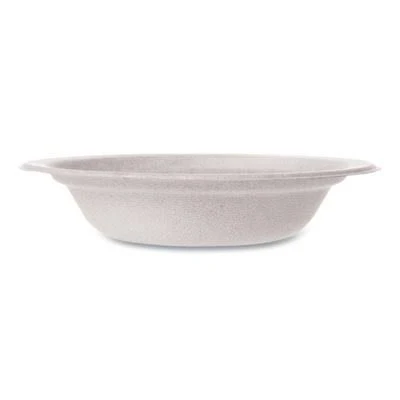
Bridge-Gate 12 oz. White Bagasse Bowl (1000 per Case)
- bagasse (sugarcane fiber), uncoated
- A third party reports verifying it as PFAS-free
- Mold or microbial growth during storage or use
3 hazards checked on this product, all on its full breakdown.
- Kraft molded fiber (uncoated or minimal treatment)
- A third party reports verifying it as PFAS-free
- Moisture absorption and microbial growth
3 hazards checked on this product, all on its full breakdown.
- sugarcane fiber, Kraft paper coating
- We found no PFAS statement from the brand
- Kraft paper coating migration (processing chemicals, sizing agents)
4 hazards checked on this product, all on its full breakdown.
More compostable bowls grades
How we score, every product runs through the same public 0-100 rubric based on materials, coatings, brand disclosure, lab findings, and recalls. See the full methodology → Spotted a mistake? Report an error.