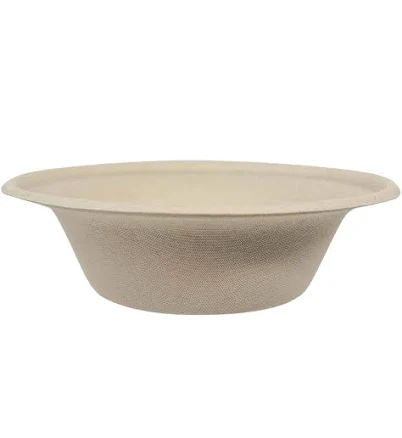
World Centric · Compostable Bowls
11.5 oz Fiber Bowl
Low risk. Molded fiber products typically avoid PFAS, though brand offers no confirmation.
Molded plant-based material, typically sugarcane bagasse or wood pulp, which doesn't inherently require PFAS coatings for food contact. No public evidence of Teflon-family coating treatments.
We flunk more products than we pass. This one earned its grade. How we grade
Material
Fiber-based (likely plant fiber or sugarcane-derived molded fiber)
Brand disclosure
Brand is silent on PFAS
Lab data
No public lab test
You may also be interested in
Top-graded picks in the categories readers replace first, every one scored on the same rubric.

- polypropylene filter housing, carbon/sediment cartridge
- We found no PFAS statement from the brand
- Bacterial growth in spent cartridges
3 hazards checked on this product, all on its full breakdown.

Aquasure
Premier Series 75 GPD Under Sink Reverse Osmosis Water Filtration System
- RO membrane, carbon filters, stainless steel housing
- We found no PFAS statement from the brand
- Bacterial and microbial growth in housing and filters
4 hazards checked on this product, all on its full breakdown.

Avocado
Vegan Mattress
- organic cotton, natural latex, coconut coir, recycled steel coils
- The brand calls it PFAS-free, which we have not verified
- Heavy metals
2 hazards checked on this product, all on its full breakdown.
What 11.5 oz Fiber Bowl is made of, ingredients and materials
World Centric fiber bowls are molded from plant fiber (typically bagasse, recycled paper, or sugarcane pulp) pressed and dried into rigid form. This manufacturing process avoids polymer resins, synthetic coatings, and the thermal processing that introduces volatile leachables in plastic or ceramic dishware. Molded fiber is inherently low-migration because it remains largely uncoated and relies on mechanical integrity rather than chemical barriers.
What’s concerning
No PFAS disclosure
No public statement from the brand about PFAS in this product.
Category baseline
The starting point for this type of product, before anything specific to this product is counted.
Coating degradation and fiber particle shedding
Molded fiber bowls are uncoated or minimally coated. Prolonged wet storage, abrasive cleaning, or high heat can cause the surface to break down and release small fiber particles into food. This risk increases over time as the product ages.
Bleach residues and chlorine byproducts
If the fiber source is bleached paper or recycled fiber processed with chlorine, residual chlorine compounds (dioxins, furans) may be present at trace levels. World Centric does not disclose bleaching methods, so extent of this risk is unknown.
Adhesive or binding agent leaching
Molded fiber bowls often use starch-based or synthetic adhesives to bind fibers and improve water resistance. Prolonged contact with hot or acidic foods could mobilize these compounds into food at very low levels, though no product-specific data is available.
Microbial growth if retained moisture
Fiber is porous and absorbs water. If bowls are not dried thoroughly or stored in humid conditions, mold or bacterial biofilms may develop internally. This is a hygiene issue rather than a chemical hazard but is relevant to intended use.
What’s reassuring
Base material not linked to PFAS
The main material recorded for this product is not one associated with PFAS.
Heavy metals
If World Centric sources recycled fiber content, trace heavy metals (lead, cadmium) could theoretically be present. No recalls or testing results for this product are on record, and BPI certification includes migration limits, so this remains a theoretical risk only.
Source, FDA ↗How is this PFAS grade calculated?
The brand's record and disclosure
World Centric positions itself as a sustainable foodware company and holds BPI (Biodegradable Products Institute) compostability certification, which includes third-party testing for migration and toxicity. However, the brand publishes no detailed chemical safety data sheets or PFAS-free declarations on its website or product packaging. No major recalls or safety controversies are on record for this product line.
How it compares in its category
Molded fiber bowls like this occupy a middle ground, lower concern than plastic takeout containers (no BPA or phthalate risk) but less durable than ceramic or stainless steel. Compared to bleached paper products, World Centric's products may carry slightly lower chlorine-residue risk if unbleached fiber is used, though this is not explicitly stated. Compostability certification is standard in this category but does not guarantee consumer safety in home or commercial use.
If you buy it
Use for room-temperature and warm foods (up to approximately 160-180 degrees Fahrenheit); sustained exposure to boiling liquids or microwave heating may degrade fiber structure and increase particle shedding. Avoid prolonged contact with oils or acidic foods, which can soften the fiber matrix. Replace the bowl if you notice softening, warping, or surface disintegration. Compostability is a disposal asset, not a safety feature; standard kitchen use requires no special handling.
What is not known about PFAS in this product?
- Basis
- Model estimate, 78% confidence, not a lab result
- Lab test
- None on record for this exact product
- Brand statement
- World Centric has made none
Formulations change between production runs, so check the current label. How we grade.
What are the PFAS-free alternatives to 11.5 oz Fiber Bowl?
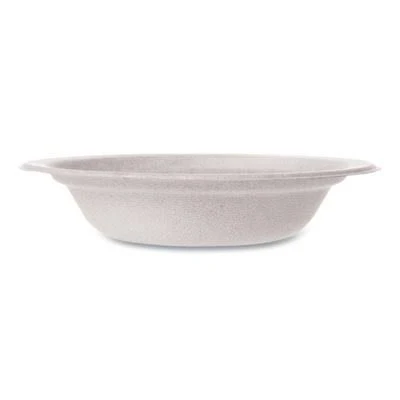
Bridge-Gate 12 oz. White Bagasse Bowl (1000 per Case)
- bagasse (sugarcane fiber), uncoated
- A third party reports verifying it as PFAS-free
- Mold or microbial growth during storage or use
3 hazards checked on this product, all on its full breakdown.
- Kraft molded fiber (uncoated or minimal treatment)
- A third party reports verifying it as PFAS-free
- Moisture absorption and microbial growth
3 hazards checked on this product, all on its full breakdown.
- sugarcane fiber, Kraft paper coating
- We found no PFAS statement from the brand
- Kraft paper coating migration (processing chemicals, sizing agents)
4 hazards checked on this product, all on its full breakdown.
More compostable bowls grades
How we score, every product runs through the same public 0-100 rubric based on materials, coatings, brand disclosure, lab findings, and recalls. See the full methodology → Spotted a mistake? Report an error.