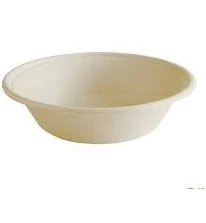
ECO-SYSTEMS Kraft Molded Fiber Bowl
BPI Certified Compostable certification on record.
This product carries BPI Certified Compostable certification, whose criteria restrict PFAS, which we record as third-party verification. The brand says its Vanguard molded fiber achieves grease resistance without added PFAS.
Brand says: “The brand says its Vanguard molded fiber achieves grease resistance without added PFAS.”
We flunk more products than we pass. This one earned its grade. How we grade
Material
Kraft molded fiber (uncoated or minimal treatment)
Brand disclosure
Third-party verified PFAS-free
Lab data
No public lab test
You may also be interested in
Top-graded picks in the categories readers replace first, every one scored on the same rubric.

Aqua Pure
3M Aqua-Pure AP802B Whole House Filter Housing
- polypropylene filter housing, carbon/sediment cartridge
- We found no PFAS statement from the brand
- Bacterial growth in spent cartridges
3 hazards checked on this product. See all of them.

Aquasure
Premier Series 75 GPD Under Sink Reverse Osmosis Water Filtration System
- RO membrane, carbon filters, stainless steel housing
- We found no PFAS statement from the brand
- Bacterial and microbial growth in housing and filters
4 hazards checked on this product. See all of them.

Avocado
Vegan Mattress
- organic cotton, natural latex, coconut coir, recycled steel coils
- The brand calls it PFAS-free, which we have not verified
- Heavy metals
2 hazards checked on this product. See all of them.
What ECO-SYSTEMS Kraft Molded Fiber Bowl is made of, ingredients and materials
Kraft molded fiber bowls are manufactured from post-consumer waste kraft paper pulp, mechanically formed and dried without synthetic binders or chemical coatings. Molded fiber food serviceware relies on the natural structure of the cellulose matrix itself for rigidity, rather than plastic or resin barriers. This avoids the leaching pathways associated with polymer containers (like BPA from polycarbonate or phthalates from flexible plastics) and eliminates the thermal instability of petroleum-based coatings.
What’s concerning
Category baseline
The starting point for this type of product, before anything specific to this product is counted.
Moisture absorption and microbial growth
Uncoated molded fiber naturally absorbs water and may harbor mold or bacterial growth if stored in high-humidity conditions or used with wet foods for extended periods. Risk is manageable through proper storage and prompt composting.
Thermal degradation of cellulose structure
Sustained exposure to temperatures above 160-180F can soften kraft fiber, reduce structural integrity, and potentially release loose cellulose fibers into food. Not a chemical toxicity hazard but a functional safety concern for hot foods.
Grease or fat absorption into food contact surface
Without a moisture barrier coating, uncoated molded fiber can absorb fatty or oily foods, which may compromise the structural integrity and hygiene of the bowl during use. This is a practical rather than chemical hazard.
What’s reassuring
Third-party PFAS-free verification
A third party reports verifying this product as PFAS-free.
Base material not linked to PFAS
The main material recorded for this product is not one associated with PFAS.
Mineral or additive residues in recycled content
Post-consumer kraft pulp may theoretically retain trace mineral contaminants from prior use, but no independent testing or recalls document heavy metals or hazardous residues in molded fiber bowls.
Formaldehyde / VOCs
Mechanical molding does not require formaldehyde-based binders; no evidence of synthetic adhesives or urea-formaldehyde resins in this product line based on available certifications and material disclosures.
Source, ATSDR ↗The full breakdown
The brand's record and disclosure
The brand is owned by Footprint, a certified B Corp with published sustainability commitments and third-party verification of compostability claims (BPI certified). The company maintains public statements on avoiding PFAS in food-contact materials and regularly audits supply chains for compliance with FDA and EU food-contact regulations. No established recalls or safety controversies specific to this bowl line appear in public records.
How it compares in its category
Molded fiber bowls typically pose lower chemical leaching risk than plastic or coated paper alternatives because they contain no synthetic polymers or water-resistant coatings at the food interface. Unlike wax-coated or polyethylene-lined food containers, uncoated molded fiber does not require fluorinated or chlorinated surfactants for grease resistance. This product's BPI compostability certification and recyclability provide both functional and end-of-life safety advantages over conventional polystyrene foam or single-use plastics.
If you buy it
Use for cold and room-temperature foods; avoid prolonged contact with hot oils or fatty foods above 160F, as uncoated molded fiber can soften or absorb grease under sustained heat. Do not microwave, as kraft fiber pulp lacks the thermal resilience of ceramics and can degrade or release cellulose fibers. Store in a cool, dry place to prevent moisture absorption and mold growth. Compost or recycle after use according to local guidelines; most facilities accept BPI-certified compostable food serviceware.
What we don’t know
- Basis
- Model estimate, 72% confidence, not a lab result
- Lab test
- None on record for this exact product
- Brand statement
- has made a specific claim
Formulations change between production runs, so check the current label. How we grade.
More compostable bowls grades
How we score, every product runs through the same public 0-100 rubric based on materials, coatings, brand disclosure, lab findings, and recalls. See the full methodology → Spotted a mistake? Report an error.