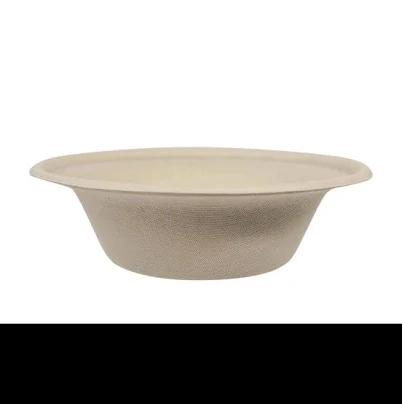
World Centric · Compostable Bowls
World Centric Compostable Fiber Round Bowls
Low-medium concern. Compostable fiber bowls rarely need PFAS, though no brand confirmation.
Unbleached plant pulp without apparent Teflon-family coating coatings or water-resistant treatments. No brand claim about PFAS, yet the material type carries minimal inherent risk.
We flunk more products than we pass. This one earned its grade. How we grade
Material
Compostable fiber (unbleached plant pulp)
Brand disclosure
Brand is silent on PFAS
Lab data
No public lab test
You may also be interested in
Top-graded picks in the categories readers replace first, every one scored on the same rubric.

- polypropylene filter housing, carbon/sediment cartridge
- We found no PFAS statement from the brand
- Bacterial growth in spent cartridges
3 hazards checked on this product, all on its full breakdown.

Aquasure
Premier Series 75 GPD Under Sink Reverse Osmosis Water Filtration System
- RO membrane, carbon filters, stainless steel housing
- We found no PFAS statement from the brand
- Bacterial and microbial growth in housing and filters
4 hazards checked on this product, all on its full breakdown.

Avocado
Vegan Mattress
- organic cotton, natural latex, coconut coir, recycled steel coils
- The brand calls it PFAS-free, which we have not verified
- Heavy metals
2 hazards checked on this product, all on its full breakdown.
What World Centric Compostable Round Bowls is made of, ingredients and materials
World Centric Compostable Fiber bowls are made from unbleached plant pulp (primarily bagasse, sugarcane residue, or similar agricultural waste), molded into shape without synthetic plastic liners or coatings. This material avoids the chemical stabilizers, plasticizers, and resin binders common in conventional food packaging. Unbleached fiber means no chlorine-based bleaching agents or dioxin byproducts are used in manufacturing. The bowls are designed to break down in commercial composting facilities, not home compost or landfills.
What’s concerning
Category baseline
The starting point for this type of product, before anything specific to this product is counted.
No PFAS disclosure
No public statement from the brand about PFAS in this product.
Adhesive or binder residues in molded fiber
Fiber bowls are bonded using starch, natural gums, or synthetic polymers; specific adhesives used by World Centric are not publicly detailed. If synthetic adhesives are present, trace leaching of unreacted monomers or plasticizers into food is theoretically possible, though risk is low at normal use temperatures.
Microplastics
Unbleached fiber bowls may shed small fiber fragments into food over time, especially if wet or handled roughly. These fragments are biodegradable plant material, not synthetic microplastics, but ingestion of large quantities is not ideal.
Source, EPA ↗Bacterial or mold growth in stored bowls
Compostable fiber is hygroscopic (absorbs moisture) and porous; if stored in humid conditions before use, microbial colonization is possible. Inspect bowls for odors or visible discoloration before first use and store in dry conditions.
What’s reassuring
Base material not linked to PFAS
The main material recorded for this product is not one associated with PFAS.
Formaldehyde / VOCs
No public reports of formaldehyde binders in World Centric compostable fiber bowls. Reputable compostable fiber manufacturers avoid urea-formaldehyde due to regulatory pressure and market positioning, but absence of evidence is not proof of absence without direct testing or brand certification.
Source, ATSDR ↗Dyes or colorants (if colored bowls used)
World Centric's standard compostable fiber bowls are unbleached (natural tan/brown); if colored variants exist, azo dyes or heavy-metal-based pigments are a concern, but no specific product recalls or disclosures suggest this is present.
How is this PFAS grade calculated?
The brand's record and disclosure
World Centric is a certified B Corporation and has published sustainability commitments; they explicitly market compostable products as PFAS-free and have not disclosed use of added PFAS treatments in their fiber bowls. The brand holds BPI (Biodegradable Products Institute) certification for compostability, a third-party standard that verifies breakdown performance. No significant product recalls or chemical controversies have been publicly documented for this product line. However, the brand provides limited granular transparency on adhesives, dyes, or processing additives used in their supply chain.
How it compares in its category
Unbleached compostable fiber bowls like these occupy a middle ground, lower concern than conventional polystyrene or coated paper bowls (which may contain PFOA/PFOS or BPA-adjacent polymers), but less durable and heat-resistant than ceramic or glass. They perform better than most single-use plastic alternatives on chemical hazard profiles. Competing brands (e.g., Footprint, Notpla) use similar material formulations and certifications, making World Centric roughly equivalent in chemical safety within the compostable category.
If you buy it
Use these bowls for cold, room-temperature, or lightly warm foods only (under 140°F is recommended); hot or greasy foods may compromise fiber integrity and increase leaching of processing residues. Do not microwave or place in conventional ovens. Replace bowls if you notice visible softening, discoloration beyond normal browning, or odors suggesting microbial growth or decomposition. Dispose only in commercial composting facilities certified to accept fiber products; home compost or landfill disposal negates the environmental and functional benefits.
What is not known about PFAS in this product?
- Basis
- Model estimate, 75% confidence, not a lab result
- Lab test
- None on record for this exact product
- Brand statement
- World Centric has made none
Formulations change between production runs, so check the current label. How we grade.
What are the PFAS-free alternatives to World Centric Compostable Fiber Round Bowls?
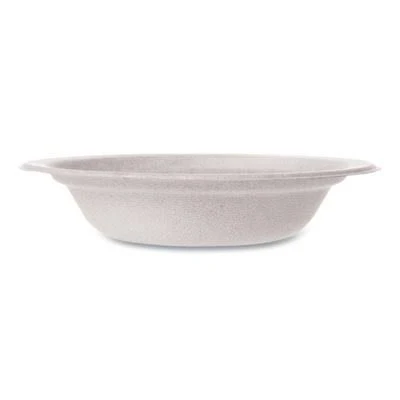
Bridge-Gate 12 oz. White Bagasse Bowl (1000 per Case)
- bagasse (sugarcane fiber), uncoated
- A third party reports verifying it as PFAS-free
- Mold or microbial growth during storage or use
3 hazards checked on this product, all on its full breakdown.
- Kraft molded fiber (uncoated or minimal treatment)
- A third party reports verifying it as PFAS-free
- Moisture absorption and microbial growth
3 hazards checked on this product, all on its full breakdown.
- sugarcane fiber, Kraft paper coating
- We found no PFAS statement from the brand
- Kraft paper coating migration (processing chemicals, sizing agents)
4 hazards checked on this product, all on its full breakdown.
More compostable bowls grades
How we score, every product runs through the same public 0-100 rubric based on materials, coatings, brand disclosure, lab findings, and recalls. See the full methodology → Spotted a mistake? Report an error.