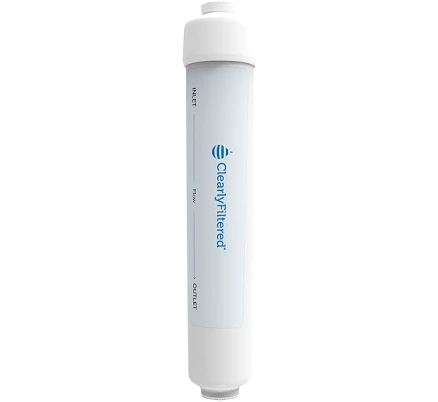
Clearly Filtered · Water Filters
Universal Inline Refrigerator Filter
No coating of concern recorded, and no PFAS statement from the brand.
The brand has published no PFAS statement for this product that we could find.
We flunk more products than we pass. This one earned its grade. How we grade
Material
carbon filter media, plastic housing
Brand disclosure
Brand is silent on PFAS
Lab data
No public lab test
What Universal Inline Refrigerator Filter is made of, ingredients and materials
The Clearly Filtered inline refrigerator filter uses activated carbon as its primary filtration medium, a well-established water treatment material that adsorbs chlorine, sediment, and some organic compounds. The housing is plastic (specific polymer not disclosed in available product context), which is standard for this category. Carbon itself is not a material linked to PFAS; the critical variable is whether the plastic housing leaches chemicals into drinking water under cold storage conditions, and whether the carbon media sheds particulates or supports microbial growth if not maintained.
What’s concerning
No PFAS disclosure
No public statement from the brand about PFAS in this product.
Bacterial growth in filter media or housing
Activated carbon can harbor bacteria if the filter is stored improperly before use or if water pressure drops below the filter's minimum operating range, allowing stagnation. Risk is manageable with regular (6-month) replacement and proper installation.
Carbon dust or particulate release
New carbon filters may release fine black particles (carbon fines) into water during first few uses. This is cosmetic and not toxic, but flushing the system for 1-2 minutes after installation is standard practice.
Reduced filtration efficacy without timely replacement
Activated carbon is not self-renewing; once saturated, it no longer adsorbs contaminants. Consumer over-use (extending filter life beyond 6-12 months) is common and results in unfiltered water, not chemical leaching, but defeats the product's purpose.
What’s reassuring
Base material not linked to PFAS
The main material recorded for this product is not one associated with PFAS.
BPA & bisphenols
No leaching incidents or recalls on record for this model. Cold storage (refrigerator line) suppresses leaching risk compared to warm-water filters. Specific polymer type not disclosed, limiting verification of BPA/BPS presence.
Source, FDA ↗Seal degradation over time
No specific reported failures of plastic seals on this model. Cold temperature and infrequent pressure cycling in a refrigerator line reduce seal stress compared to point-of-use filters, but seals degrade with age and should be inspected during filter swaps.
The full breakdown
The brand's record and disclosure
Clearly Filtered maintains silent stance on PFAS, meaning no public commitment or testing data is available, yet no PFAS coating of concern has been recorded. The brand does not appear in major product safety recall databases for this filter model. Limited third-party certification information is available; transparency on plastic housing composition, carbon sourcing, and bacterial testing protocols is not established in public records.
How it compares in its category
Inline refrigerator filters are among the lowest-risk water treatment products because cold temperatures suppress both leaching and microbial risk compared to pitcher or countertop systems. Clearly Filtered's carbon-only design (no ion exchange resin or other media) is simpler and reduces complexity-related failure modes. However, many competitors provide NSF/WQA certification; Clearly Filtered's certification status is unclear from available public information.
If you buy it
Replace every 6 months or per manufacturer guidance, even if flow rate seems acceptable; carbon's adsorptive capacity degrades invisibly. Do not exceed the product's maximum pressure or temperature rating if specified. Store the unopened filter at room temperature away from direct sunlight. Ensure the filter housing is hand-tightened (not over-tightened) to avoid cracking plastic seals. If water tastes or smells off after installation, remove and flush the refrigerator water line independently; the filter may have transported carbon fines initially.
What we don’t know
- Basis
- Model estimate, 62% confidence, not a lab result
- Lab test
- None on record for this exact product
- Brand statement
- Clearly Filtered has made none
Formulations change between production runs, so check the current label. How we grade.
Better-graded alternatives in Water Filters
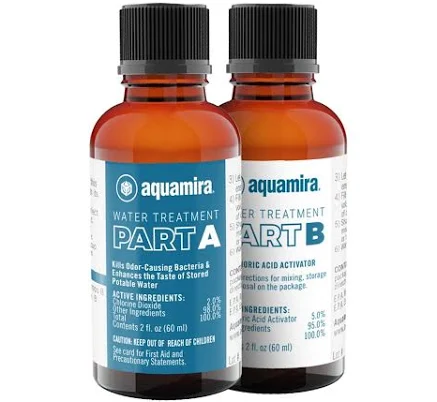
Aquamira
Water Storage Treatment 2 oz Glass Bottles 60 gallons Purification
- glass bottles, sodium dichloroisocyanurate treatment chemical
- We found no PFAS statement from the brand
- Chemical overdose or misuse
5 hazards checked on this product. See all of them.

Big Berkey
Empty Housing with NO Filters Included
- Stainless steel housing and spigot
- We found no PFAS statement from the brand
- Bacterial growth and biofilm if filters not replaced
5 hazards checked on this product. See all of them.
LifeStraw
Home Glass Water Filter Pitcher
- Borosilicate glass pitcher, replaceable activated-carbon filter cartridge
- Bacterial growth in filter cartridge if unmaintained
5 hazards checked on this product. See all of them.
More water filters grades
How we score, every product runs through the same public 0-100 rubric based on materials, coatings, brand disclosure, lab findings, and recalls. See the full methodology → Spotted a mistake? Report an error.