Coleman · Camping Tents & Tarps
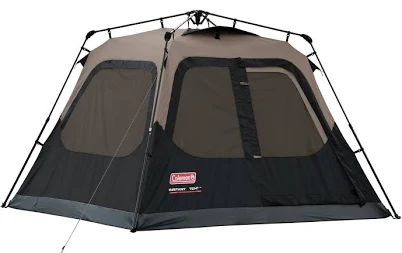
Coleman 4-Person Cabin Camping Tent w/Instant Setup
Moderate concern; typical camping tent with undisclosed water-repellent coating chemistry.
Coleman's cabin tent uses polyester with a waterproof coating, but the company does not specify whether the water-repellent coating treatment uses PFAS or not. Budget and mid-range camping tents historically relied on fluorinated compounds.
Still want this one anyway? Check the price on Amazon. We’d swap it.
Material
polyester fabric with waterproof coating (type unspecified)
Lab data
No public lab test
What Coleman 4-Person Cabin Camping Tent is made of, ingredients and materials
This tent uses polyester fabric, a durable synthetic that resists mildew and UV degradation better than cotton alternatives. The waterproof coating (type not specified by Coleman) is the critical variable; historically, camping tents rely on water-repellent coating (water-repellent coating) treatments to shed rain without pooling. Coleman does not publicly disclose whether their water-repellent coating is fluorine-based (PFAS-containing) or non-fluorine, creating uncertainty about long-term leaching into soil or water near campsites. Polyester itself is stable and does not off-gas formaldehyde or release microplastics under normal camping conditions.
What’s concerning
Category baseline
The starting point for this type of product, before anything specific to this product is counted.
No PFAS disclosure
No public statement from the brand about PFAS in this product.
Waterproof / stain-resistant treatment
Water-repellent coating treatments have historically used PFAS.
water-repellent coating (undisclosed type)
Coleman does not specify whether the waterproof treatment contains fluorinated compounds (PFAS) or non-fluorinated alternatives. Polyester coatings that shed water efficiently have historically relied on PFAS; contact with tent or repeated washings may leach residue into groundwater near camping sites, though the magnitude for occasional use is not quantified.
Coating degradation and leachate over time
UV exposure, heat cycles, and mechanical wear degrade water-repellent coating coatings on polyester tents within 3-5 years of regular use. As the coating breaks down, both binders and any residual treatment chemicals may leach into soil or rainwater runoff; the composition of these binders is not disclosed by Coleman.
Mold/mildew if stored wet
Polyester tents trapped with moisture can harbor mold and mildew. Coleman advises drying before storage, but users often fail to do so; mold spores pose respiratory risk during reuse, though this is a use-error hazard rather than a material one.
What’s reassuring
Seam sealant composition
Coleman does not disclose the chemical composition of seam sealants used in this tent. Seam tape and glues in lower-cost tents may contain volatile organic compounds or plasticizers, but no adverse reports for this specific model are on record.
Polyester fabric volatiles (acute use)
Polyester itself does not off-gas formaldehyde or phthalates under normal camping temperatures. No microplastic shedding hazard is established for intact polyester tents; concern would arise only if the fabric is physically degraded or frayed.
The full breakdown
The brand's record and disclosure
Coleman has not issued public statements on PFAS use or phase-out timelines in their outdoor gear, nor do they publish material certifications (e.g., OEKO-TEX, bluesign) for tents. The brand is owned by Newell Brands, a major consumer-goods manufacturer, but this tent line shows no transparency on chemical inputs compared to some competitors (e.g., Big Agnes, REI Co-op offerings with disclosed non-fluorinated coatings). No product recalls or safety controversies specific to this tent model are documented in public databases.
How it compares in its category
Most budget-to-mid-range camping tents (Coleman, Ozark Trail, etc.) use undisclosed coatings, whereas premium brands increasingly market fluorine-free or PFAS-avoided options. Coleman's 4-person cabin tent is entry-level and priced competitively; it offers instant setup convenience at the cost of material transparency. If PFAS exposure is a priority, alternatives from REI Co-op, Big Agnes, or Nemo explicitly state non-fluorinated treatments, though they cost more. For casual camping (< 10 nights/year), the practical PFAS risk from this tent is lower than from heavy repeated use in sensitive environments.
If you buy it
Set it up in a well-ventilated area on first use to allow any volatile compounds from the coating to off-gas; do not leave it in direct sun for prolonged periods when not in use, as UV can degrade the fabric and coating, potentially increasing leachate. Wash the tent with mild soap and water rather than harsh detergents, which can strip the waterproof layer. If you camp frequently on the same soil or near a water source, consider rotating sites to minimize cumulative chemical load. Store dry and unrolled when not in use to prevent mildew and coating breakdown.
What we don’t know
- Basis
- Model estimate, 45% confidence, not a lab result
- Lab test
- None on record for this exact product
- Brand statement
- Coleman has made a specific claim
Formulations change between production runs, so check the current label. How we grade.
More camping tents & tarps grades
How we score, every product runs through the same public 0-100 rubric based on materials, coatings, brand disclosure, lab findings, and recalls. See the full methodology → Spotted a mistake? Report an error.