Coleman · Camping Tents & Tarps
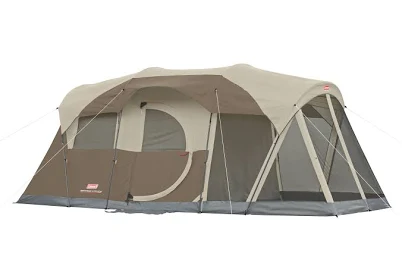
Coleman 6-Person WeatherMaster Screened Tent
Avoid until Coleman discloses its waterproofing formula.
These Coleman WeatherMaster tents use polyester with water-repellent treatment, but the brand shares no information about the coating chemistry. Tent waterproofing has historically relied on PFOA and PFOS compounds.
Still want this one anyway? Check the price on Amazon. We’d swap it.
Material
Polyester fabric with unspecified water-repellent coating
Lab data
No public lab test
What Coleman 6-Person WeatherMaster Screened is made of, ingredients and materials
This tent uses polyester fabric, a synthetic polymer that is chemically stable and does not leach monomers under normal camping conditions. The critical unknown is the water-repellent (water-repellent coating) finish applied to the polyester. Coleman does not publicly disclose whether this coating is PFAS-based (common in the industry) or PFAS-free alternatives like wax or fluorocarbon-free polymers. Without that disclosure, the durability and health profile of the coating cannot be fully assessed.
What’s concerning
Category baseline
The starting point for this type of product, before anything specific to this product is counted.
No PFAS disclosure
No public statement from the brand about PFAS in this product.
Waterproof / stain-resistant treatment
Water-repellent coating treatments have historically used PFAS.
Water-repellent (water-repellent coating) coating chemistry undisclosed
Coleman does not specify whether the water-repellent coating is PFAS-based or PFAS-free. Industry standard practice uses PFAS Teflon-family coating; without disclosure, PFAS exposure during setup, use, and storage cannot be ruled out. Health impact depends on coating type and user contact duration.
Polyester fabric degradation and microfiber shedding
Polyester tents can shed microfibers when handled roughly, packed wet, or aged. Risk is low during normal use but increases if the tent is dragged on abrasive ground or stored in high humidity. Shed fibers are not acutely hazardous but accumulate in soil and water.
Mold and mildew growth if stored damp
Polyester fabric itself resists mold, but if the tent is packed wet or stored in damp conditions, bacterial and fungal colonies can develop in seams and the coating. This is a use-maintenance issue, not an inherent material hazard, but poses respiratory risk if the tent is used while contaminated.
Coating flaking or peeling with age
User reports on outdoor forums document water-repellent coating degradation and visible peeling on Coleman screened tents after 3-5 years of storage and use. This is normal wear; peeling does not expose toxic substrates but signals loss of water resistance and end-of-life for the product.
What’s reassuring
Flame retardants
Polyester is thermoplastic and will melt in direct flame, but there is no record of Coleman treating this tent fabric with flame-retardant chemicals. The tent is not labeled as meeting any fire standard; use with caution near campfires and comply with site regulations.
Source, EPA ↗The full breakdown
The brand's record and disclosure
Coleman has not published a statement on PFAS use in tent coatings, nor has it sought third-party certifications (such as OEKO-TEX or Bluesign) that would limit hazardous chemicals. The company has not faced public recalls or documented chemical safety controversies for this specific product model, but its silence on waterproofing chemistry is a gap in consumer transparency that is standard across much of the mainstream tent industry.
How it compares in its category
Most budget and mid-range camping tents (Coleman, Ozark Trail, North Face basic lines) use polyester with undisclosed water-repellent coating coatings. Premium or eco-focused brands (e.g., Big Agnes, some REI Co-op tents) increasingly disclose PFAS-free or reduced-PFAS options. The Coleman WeatherMaster sits in the typical mainstream category where coating chemistry is opaque; it is neither exceptional nor notably worse than direct competitors.
If you buy it
Store the tent dry and well-ventilated to prevent mold and mildew, which can compromise the fabric. Inspect the water-repellent coating annually; if water stops beading and pools on the fabric, the coating has degraded and re-treatment or replacement may be warranted. Avoid prolonged direct sun exposure during storage, as UV can degrade polyester. Do not machine wash; spot-clean with mild soap and air-dry to preserve the coating.
What we don’t know
- Basis
- Model estimate, 35% confidence, not a lab result
- Lab test
- None on record for this exact product
- Brand statement
- Coleman has made a specific claim
Formulations change between production runs, so check the current label. How we grade.
More camping tents & tarps grades
How we score, every product runs through the same public 0-100 rubric based on materials, coatings, brand disclosure, lab findings, and recalls. See the full methodology → Spotted a mistake? Report an error.