Coleman · Camping Tents & Tarps
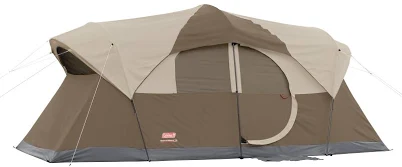
Coleman WeatherMaster 10-Person Tent
Avoid until Coleman reveals its waterproof treatment formula.
Coleman tents use polyester with water-repellent coatings typical of the outdoor industry, but the brand refuses to disclose whether those coatings contain PFAS. water-repellent coating treatments historically relied on fluorinated chemicals.
Still want this one anyway? Check the price on Amazon. We’d swap it.
Material
Polyester fabric with water-repellent coating (water-repellent coating) coating
Lab data
No public lab test
What Coleman WeatherMaster 10-Person Tent is made of, ingredients and materials
The WeatherMaster uses polyester fabric with a water-repellent coating (water-repellent coating) finish applied to the exterior. Polyester itself is chemically inert and does not leach into skin or food under normal use. The water-repellent coating is the functional component at question, it repels water but its exact chemistry is undisclosed by Coleman. Modern water-repellent coating treatments may contain PFAS (PFAS "forever chemicals") or fluorine-free alternatives, but without vendor transparency, the specific formulation cannot be verified.
What’s concerning
Category baseline
The starting point for this type of product, before anything specific to this product is counted.
No PFAS disclosure
No public statement from the brand about PFAS in this product.
Waterproof / stain-resistant treatment
Water-repellent coating treatments have historically used PFAS.
PFAS
Coleman does not disclose water-repellent coating chemistry. Polyester tent fabrics commonly use legacy PFAS-based Teflon-family coating coatings for water resistance. Without vendor confirmation, fluorine-free alternatives cannot be assumed. Inhalation risk is low during normal outdoor use; higher risk during manufacturing or if coating degrades.
Source, ATSDR ↗Microplastic shedding from degraded coating or seams
Polyester fabrics and polyurethane seam tapes can shed microparticles as they age or are abraded. This is a low-severity risk in outdoor camping contexts but poses a concern if tent fabric is recycled into landfill or if degraded pieces are handled frequently.
What’s reassuring
Azo dyes in polyester fabric coloring
Polyester textiles can be dyed with azo dyes, some of which break down into carcinogenic amines. No specific recalls or testing results are on record for Coleman WeatherMaster tents. Standard textile industry practices suggest restricted azo dyes are avoided, but Coleman does not publish dye chemistry.
Off-gassing and volatile organic compounds (VOCs)
New synthetic tents may emit trace VOCs from polyester, polyurethane seam tape, and coating solvents during the first few days of use. This is typical of the category and dissipates with ventilation. No specific VOC testing or complaints are documented for this model.
Flame retardants
Polyester fabrics are inherently self-extinguishing and do not require added flame retardants. No flame retardant chemicals are known to be present in the WeatherMaster. Coleman does not market this as a fire-resistant product.
Source, EPA ↗The full breakdown
The brand's record and disclosure
Coleman has not published a statement on PFAS content or water-repellent chemistry for any of its tent product lines. The brand has not sought third-party certification (such as bluesign or GOTS) that would independently verify chemical inputs. Coleman remains silent despite industry momentum toward fluorine-free water-repellent coating alternatives, making informed risk assessment impossible. This lack of transparency is the defining issue, not a confirmed hazard detection.
How it compares in its category
Coleman is a mass-market camping brand focused on affordability rather than chemical disclosure or premium materials. Competitor brands such as Big Agnes, MSR, and Nemo have begun publishing water-repellent coating chemistry information or transitioning to PFAS-free treatments. The WeatherMaster sits in the conventional, undisclosed-chemistry segment of the tent market, typical for its price point but behind the transparency curve of higher-end manufacturers. Consumers seeking verified PFAS-free tents will find more documentation among specialist outdoor brands.
If you buy it
Use the tent as intended, outdoors for shelter, not as a sleeping surface in direct skin contact for extended periods. Do not wash the tent with harsh detergents or scrub the water-repellent coating-coated exterior, as this can degrade the finish and potentially release coating particles; rinse with clean water only. If the water-repellent coating begins to visibly peel, flake, or separate after years of use, discontinue use to avoid inhaling or contacting degraded material. Store dry and well-ventilated to prevent mold growth, which poses a separate respiratory hazard.
What we don’t know
- Basis
- Model estimate, 45% confidence, not a lab result
- Lab test
- None on record for this exact product
- Brand statement
- Coleman has made a specific claim
Formulations change between production runs, so check the current label. How we grade.
More camping tents & tarps grades
How we score, every product runs through the same public 0-100 rubric based on materials, coatings, brand disclosure, lab findings, and recalls. See the full methodology → Spotted a mistake? Report an error.