Coleman · Camping Tents & Tarps
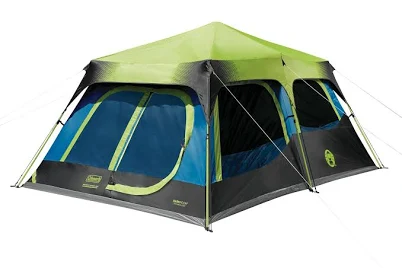
Coleman 10-Person Dark Room Instant Cabin Tent with Rainfly
Tent fabric likely treated with water-repellent coating, PFAS composition unspecified by Coleman.
Coleman won't reveal the water-repellent coating chemistry for this tent. Standard outdoor tent fabrics often use PFAS-based water repellents, though alternatives exist but aren't confirmed here.
Still want this one anyway? Check the price on Amazon. We’d swap it.
Material
polyester fabric with water-repellent coating (water-repellent coating) coating
Lab data
No public lab test
What Coleman 10-Person Dark Room Instant Cabin is made of, ingredients and materials
This tent uses polyester fabric treated with a water-repellent coating (water-repellent coating) coating to shed water without pooling. The polyester itself is a stable plastic polymer with low inherent toxicity, but the water-repellent coating finish is the concern, Coleman does not publicly disclose whether this coating contains PFAS (PFAS "forever chemicals") or fluorine-free alternatives. water-repellent coating coatings are typically applied during manufacturing and are not easily removed by washing, meaning any PFAS or other chemicals in that layer remain on the fabric throughout the tent's lifetime.
What’s concerning
Category baseline
The starting point for this type of product, before anything specific to this product is counted.
No PFAS disclosure
No public statement from the brand about PFAS in this product.
Waterproof / stain-resistant treatment
Water-repellent coating treatments have historically used PFAS.
PFAS
Polyester tent fabric treated with water-repellent finish; Coleman does not disclose whether PFAS is present. PFAS is graded separately at 20/100 safety per your input, reflecting likely contamination in the water-repellent coating layer.
Source, ATSDR ↗Formaldehyde / VOCs
Some polyester textile treatments and dyes can involve formaldehyde-releasing compounds; Coleman does not publish fabric treatment specifications. Risk is low for exterior tent use with good ventilation, but interior exposure during storage or humid conditions warrants caution.
Source, ATSDR ↗Azo dyes in polyester fabric
The tent's dark color may involve azo dye compounds, which can release aromatic amines under prolonged moisture or UV exposure. Coleman does not certify use of restricted azo dyes (e.g., per Oeko-Tex Standard 100), so risk profile is unspecified.
water-repellent coating degradation and leaching over time
As water-repellent coating coatings age or are damaged, they can flake or leach into groundwater or skin. Coleman provides no guidance on expected water-repellent coating lifespan or replacement intervals. Heavy washing accelerates degradation.
Microplastic shedding from polyester fabric
Polyester tents shed microfibers during setup, takedown, and washing. While not unique to Coleman, the tent's large surface area means cumulative microfiber loss. Risk is primarily environmental; direct health impact from occasional camping use is low.
The full breakdown
The brand's record and disclosure
Coleman is a major outdoor gear manufacturer but has not published voluntary disclosures about PFAS use in tent fabrics or other products, nor has it committed to PFAS phase-out timelines like some competitors (Arc'teryx, Patagonia). The company has not faced major product recalls for chemical contamination in recent years. Coleman's silence on water-repellent coating chemistry is standard for the mid-market camping sector but represents a gap compared to brands that explicitly use PFAS-free water-repellent coating or publish safety data sheets.
How it compares in its category
Most mass-market camping tents in this price range (Coleman, Ozark Trail, Coleman equivalents) use PFAS-based water-repellent coating coatings and do not disclose composition. Premium brands (REI, Patagonia, Arc'teryx) increasingly offer PFAS-free alternatives, though at higher cost. Budget tents with minimal water resistance or older non-coated polyester exist but sacrifice weather protection. This tent sits in the middle, good durability and functionality, but chemical transparency is poor.
If you buy it
Avoid prolonged skin contact with the fabric interior, especially for infants or young children; wash hands after setting up or taking down. Do not heat the tent fabric intentionally or store it in direct sunlight for extended periods, as UV and heat can degrade the water-repellent coating and potentially mobilize embedded chemicals. Rinse the tent with plain water if heavily soiled; avoid industrial detergents that strip the water-repellent coating layer. Replace the tent if the fabric tears or the water-repellent coating visibly flakes or degrades, as breaches increase direct contact risk.
What we don’t know
- Basis
- Model estimate, 35% confidence, not a lab result
- Lab test
- None on record for this exact product
- Brand statement
- Coleman has made a specific claim
Formulations change between production runs, so check the current label. How we grade.
More camping tents & tarps grades
How we score, every product runs through the same public 0-100 rubric based on materials, coatings, brand disclosure, lab findings, and recalls. See the full methodology → Spotted a mistake? Report an error.