Coleman · Camping Tents & Tarps
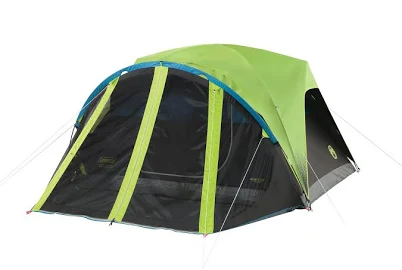
Coleman 4-Person Carlsbad Dome Tent with Screen Room
Tent likely treated with water-repellent coating; Coleman does not disclose PFAS status.
Coleman tents typically use polyester with water-repellent treatment, standard for outdoor gear. The brand provides no PFAS transparency, leaving coating composition unclear.
Still want this one anyway? Check the price on Amazon. We’d swap it.
Material
polyester fabric with water-repellent coating (water-repellent coating) coating
Lab data
No public lab test
What Coleman 4-Person Carlsbad Dome Tent is made of, ingredients and materials
The Carlsbad tent is constructed from polyester fabric with a water-repellent (water-repellent coating) coating applied to the outer layer. Polyester itself is stable and non-toxic under normal camping conditions. The water-repellent coating finish is the risk point, Coleman does not disclose whether this coating contains PFAS (PFAS "forever chemicals"), which are persistent chemicals used to shed water and stains but linked to bioaccumulation and health concerns. Standard polyester does not off-gas formaldehyde or other volatile organics in the way some textiles do, so respiratory hazard from the fabric itself is low.
What’s concerning
Category baseline
The starting point for this type of product, before anything specific to this product is counted.
No PFAS disclosure
No public statement from the brand about PFAS in this product.
Waterproof / stain-resistant treatment
Water-repellent coating treatments have historically used PFAS.
PFAS
Polyester dome tents with water-repellent finishes typically use fluorinated compounds. Coleman does not disclose water-repellent coating chemistry; industry standard implies PFAS presence, though not confirmed for this specific product. Risk is dermal contact during setup and low-level inhalation, not acute toxicity.
Source, ATSDR ↗Polyester fabric degradation and coating flaking
Long-term UV exposure and thermal cycling can cause water-repellent coating to flake or peel. Flaking debris poses minimal ingestion risk but increases handling contact. Replacement intervals of 5-10 years are typical for budget tents before structural integrity declines.
Mold and bacterial growth in screen room
The integrated screen room reduces air circulation compared to open-mesh designs. If stored damp or in humid conditions, polyester mesh can support mildew growth. Proper drying and ventilated storage prevent this; no chemical treatment hazard, but hygiene maintenance is required.
What’s reassuring
Formaldehyde / VOCs
Polyester does not inherently contain formaldehyde resins like cotton-blend tents may. No evidence suggests Coleman applies formaldehyde-releasing treatments to this dome tent. Off-gassing risk is low for this material class.
Source, ATSDR ↗Heavy metals
The Carlsbad tent uses standard industrial polyester dyes. No recalls or testing data indicate lead, cadmium, or other heavy metals in the fabric or seams. Risk is consistent with mainstream outdoor textiles and not a distinguishing concern for this product.
Source, FDA ↗The full breakdown
The brand's record and disclosure
Coleman, owned by Newell Brands, has not published a public stance on PFAS use in tents or chemical transparency policies. The company does not provide safety data sheets (SDS) or chemical ingredient lists for consumer camping products. No major recalls or safety controversies specific to the Carlsbad tent have been documented. Without proactive disclosure, buyers cannot verify water-repellent coating composition, leaving PFAS status unknown but statistically likely given industry-wide prevalence of fluorinated water repellents in outdoor gear.
How it compares in its category
Budget dome tents like the Carlsbad are typical of the mass-market camping segment, where water-repellent coating coatings are standard and PFAS-free alternatives are rare and more expensive. Specialty outdoor brands (e.g., Big Agnes, Nemo) increasingly disclose PFAS-free or fluorine-free water-repellent coating options, but Coleman competes on price and does not market chemical transparency. For a 4-person entry-level tent, the Carlsbad is functionally sound; the chemical trade-off reflects its cost positioning, not unique risk versus comparable models in this price tier.
If you buy it
Wash or wipe the tent exterior before first use and after packing to reduce skin contact with coating chemicals. Air it out in sunlight after trips; do not store wet in sealed bags for extended periods, as this can trap volatile compounds. Do not heat the tent or expose the fabric to high temperatures (e.g., place away from campfires); polyester melts around 260°C, and heating may mobilize water-repellent coating chemicals. Replace the tent if the coating visibly degrades (peeling, white powdery residue), as breakdown increases potential leaching. If PFAS avoidance is a priority, prioritize brands with explicit fluorine-free certifications for your next purchase.
What we don’t know
- Basis
- Model estimate, 45% confidence, not a lab result
- Lab test
- None on record for this exact product
- Brand statement
- Coleman has made a specific claim
Formulations change between production runs, so check the current label. How we grade.
More camping tents & tarps grades
How we score, every product runs through the same public 0-100 rubric based on materials, coatings, brand disclosure, lab findings, and recalls. See the full methodology → Spotted a mistake? Report an error.