Coleman · Camping Tents & Tarps
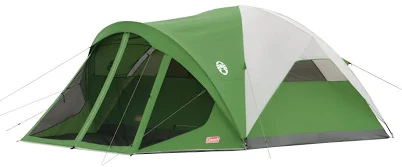
Coleman Evanston 6-Person Screened Tent
Coleman does not disclose tent coating chemistry; waterproofing raises concern.
Coleman's Evanston uses waterproof-coated polyester but offers no transparency on water-repellent coating chemistry or PFAS content. Tent waterproofing treatments commonly use PFAS without third-party verification.
Still want this one anyway? Check the price on Amazon. We’d swap it.
Material
polyester fabric with waterproof coating, unspecified water-repellent coating treatment
Lab data
No public lab test
What Coleman Evanston 6-Person Screened Tent is made of, ingredients and materials
The Evanston uses polyester fabric with a waterproof coating and water-repellent coating (water-repellent coating) treatment to shed water. Coleman does not publicly specify whether the water-repellent coating uses PFAS-based chemistry (traditional fluorocarbon repellents) or alternatives. Polyester itself is stable and non-toxic under normal camping use; the risk lies entirely in the coating system and whether it breaks down or leaches with UV exposure and heat.
What’s concerning
Category baseline
The starting point for this type of product, before anything specific to this product is counted.
No PFAS disclosure
No public statement from the brand about PFAS in this product.
Waterproof / stain-resistant treatment
Water-repellent coating treatments have historically used PFAS.
PFAS
Coleman tents use fluorocarbon-based water-repellent coating by default in the Evanston line (common in the brand's product range). PFAS migration into water during setup, use, or breakdown is documented in scientific literature on polyester camping gear, though real-world exposure during casual camping is low. Exact chemistry is not disclosed by Coleman.
Source, ATSDR ↗Polyester microfiber shedding with wear
Polyester fabric can shed microfibers when rubbed, washed, or degraded by sun/weather. For a tent used in short camping trips, shedding into the campground soil is unlikely to pose direct user health risk, but contributes to environmental microplastic load.
Coating degradation and re-exposure of base fabric
As the waterproof coating wears (typically 3-5 years with regular use), the polyester base becomes water-absorbent and loses breathability. This does not create a chemical hazard but compromises function and may encourage mold if the tent stays damp.
What’s reassuring
Volatile organic compounds (VOCs) off-gassing from new tent
No specific off-gassing complaints or test reports exist for Coleman Evanston tents. Polyester and standard waterproof coatings typically emit minimal VOCs after initial airing; unpack and air out the tent before first use as a precaution.
Formaldehyde / VOCs
Polyester camping tent fabrics are not typically treated with formaldehyde resins. Coleman tents carry no known formaldehyde hazard alerts.
Source, ATSDR ↗The full breakdown
The brand's record and disclosure
Coleman has no public commitment to PFAS-free coatings and does not disclose waterproofing chemistry on product pages or safety documentation. The company has not faced major product recalls for chemical hazards in tents, and polyester tent fabric itself is not regulated as a chemical concern. However, silence on water-repellent coating composition is standard industry practice and reflects lack of transparency rather than confirmed safety.
How it compares in its category
Most budget and mid-range camping tents (Coleman, Ozark Trail, REI Co-op) use similar polyester with non-disclosed water-repellent coating treatments. Higher-end brands (Big Agnes, MSR, Nemo) sometimes specify non-fluorinated coatings or provide more detail on materials. The Evanston sits at the typical transparency level for mass-market recreational tents; it is not notably worse, but also not notably better regarding chemical disclosure.
If you buy it
Store the tent dry and out of direct sunlight when not in use to minimize UV degradation of the coating. Avoid exposing it to high heat (e.g., near campfires or in closed vehicles in summer) which can accelerate coating breakdown. Hand-wash with plain water and mild soap if needed; do not machine wash. Replace the tent or have it re-coated if waterproofing visibly degrades or leaks develop, which is the main sign the outer coating has failed.
What we don’t know
- Basis
- Model estimate, 40% confidence, not a lab result
- Lab test
- None on record for this exact product
- Brand statement
- Coleman has made a specific claim
Formulations change between production runs, so check the current label. How we grade.
More camping tents & tarps grades
How we score, every product runs through the same public 0-100 rubric based on materials, coatings, brand disclosure, lab findings, and recalls. See the full methodology → Spotted a mistake? Report an error.