Coleman · Camping Tents & Tarps
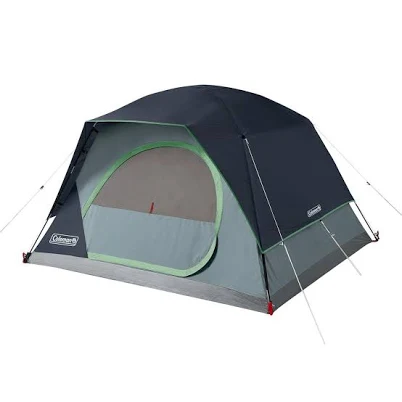
Coleman Skydome Camping Tent
Tent waterproofing source unknown; Coleman silent on PFAS status.
Coleman's Skydome uses polyester with water-repellent coating, but the brand won't disclose PFAS content or water-repellent coating chemistry. Waterproof tent coatings commonly contain PFAS, though some alternatives exist.
Still want this one anyway? Check the price on Amazon. We’d swap it.
Material
Polyester fabric with water-repellent coating (water-repellent coating) coating
Lab data
No public lab test
What Coleman Skydome Camping Tent is made of, ingredients and materials
The Skydome uses polyester fabric, a synthetic polymer that is durable and naturally water-resistant to some degree. The critical component here is the water-repellent coating (water-repellent coating) coating applied to the exterior, which is what makes the tent shed rain effectively. water-repellent coating coatings historically relied on PFAS chemicals, though some manufacturers have shifted to PFAS-free alternatives; Coleman has not publicly disclosed which type they use on this model. The polyester itself is stable under normal use, but the coating's composition and durability are the main safety unknowns.
What’s concerning
Category baseline
The starting point for this type of product, before anything specific to this product is counted.
No PFAS disclosure
No public statement from the brand about PFAS in this product.
Waterproof / stain-resistant treatment
Water-repellent coating treatments have historically used PFAS.
water-repellent coating degradation and reapplication chemicals
The coating loses effectiveness over time and users may apply commercial water-repellent treatments containing unknown chemistry. Coleman does not specify what the original coating contains or recommend specific reapplication products, creating potential for consumer exposure to secondary chemical coatings.
PFAS
Based on industry history and Coleman's silence on disclosure, a PFAS-based water-repellent coating is possible but unconfirmed. Tent wearer exposure is minimal; environmental release during manufacturing and disposal is the larger concern.
Source, ATSDR ↗What’s reassuring
Polyester off-gassing (VOC) in enclosed spaces
Polyester fabric itself is not a known significant VOC source compared to PVC or vinyl. New tent smell is typically from sizing and dyes used in manufacturing, which off-gas minimally in the Skydome's open ventilation design.
Azo dyes in polyester fabric
The fabric color treatment may use azo dyes; these are regulated in apparel but less scrutinized in outdoor gear. No specific reports of hazardous dye levels in Coleman tents, and azo dyes pose minimal skin contact risk in this application due to minimal direct skin contact during use.
Thermal degradation of polyester under extreme heat
Polyester melts around 260C and breaks down into hazardous compounds only at sustained high temperatures. Normal camping use, including proximity to campfires, does not pose this risk unless tent is directly exposed to flame.
The full breakdown
The brand's record and disclosure
Coleman has not made public commitments or disclosures regarding PFAS use in tent coatings or other products. The brand does not appear on major outdoor-industry initiatives like the Outdoor Industry Association's PFAS-free pledges. Coleman has a long history as a mass-market camping brand but has been largely silent on chemical safety transparency compared to premium outdoor brands. No major recalls related to chemical hazards in Coleman tents are on record in public databases.
How it compares in its category
Many mainstream camping tent brands (Kelty, REI Co-op) now offer PFAS-free water-repellent coating options or transparent labeling; Coleman's silence puts it behind the transparency curve for the price point. Budget-tier tents often use older water-repellent coating formulations due to cost, while premium brands have invested in PFAS-free alternatives. The Skydome is a mid-market dome tent with good user reviews for durability and livability; its water-repellent performance is its selling point but also the source of chemical uncertainty. Competing tents at similar prices increasingly disclose their coating chemistry more openly.
If you buy it
water-repellent coating coatings degrade over 3-5 years of regular use and UV exposure; expect to reapply water-repellent treatments periodically to maintain performance. Store the tent dry and avoid prolonged direct sunlight when not in use to extend coating life. Wash the tent with plain water or mild soap only; harsh detergents can strip the water-repellent coating layer. If you are concerned about PFAS exposure, contact Coleman directly to request documentation of their water-repellent coating chemistry, and consider tents with verified PFAS-free coatings as an alternative.
What we don’t know
- Basis
- Model estimate, 45% confidence, not a lab result
- Lab test
- None on record for this exact product
- Brand statement
- Coleman has made a specific claim
Formulations change between production runs, so check the current label. How we grade.
More camping tents & tarps grades
How we score, every product runs through the same public 0-100 rubric based on materials, coatings, brand disclosure, lab findings, and recalls. See the full methodology → Spotted a mistake? Report an error.