Coleman · Camping Tents & Tarps
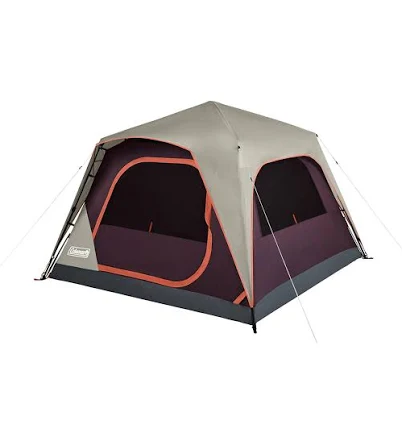
Coleman Skylodge 10-Person Instant Camping Tent
Skip until Coleman discloses coating chemistry or testing.
Coleman won't publicly state PFAS status for tent coatings on this model. Instant setup tents typically use water-repellent coating treatments that historically contained PFAS.
Still want this one anyway? Check the price on Amazon. We’d swap it.
Material
polyester fabric with waterproof coating
Lab data
No public lab test
What Coleman Skylodge 10-Person Instant is made of, ingredients and materials
The Coleman Skylodge uses polyester fabric with a waterproof water-repellent coating (water-repellent coating) coating. Coleman does not publicly disclose whether this coating contains PFAS (fluorinated compounds), which is standard industry practice for the tent category. Polyester itself is inert and stable; the coating's chemistry is the real exposure vector, applied to keep water out while allowing breathability.
What’s concerning
Category baseline
The starting point for this type of product, before anything specific to this product is counted.
No PFAS disclosure
No public statement from the brand about PFAS in this product.
Waterproof / stain-resistant treatment
Water-repellent coating treatments have historically used PFAS.
PFAS
Coleman has not disclosed coating chemistry or tested for PFAS absence. Industry standard suggests C6/C8 fluorinated compounds are probable but not confirmed for this specific product. Exposure via direct skin contact, inhalation of volatilized compounds, and leachate into soil/groundwater at camp or storage site are potential pathways.
Source, ATSDR ↗Coating degradation and leaching
Over 5-10 years of use and sun exposure, waterproof coatings on polyester degrade and can flake or release particulates. No testing data published for Coleman Skylodge, but polyester tent coatings are known to fail without proper storage and maintenance.
Formaldehyde / VOCs
Polyester tent fabrics may use formaldehyde-based dye fixatives or crease-resist treatments, though Coleman does not disclose this. Formaldehyde off-gassing is usually minimal after initial airing but possible during new-tent off-gassing phase.
Source, ATSDR ↗Mold and bacterial growth in storage
If stored damp or in humid conditions, polyester tent fabric can support mildew growth, which creates musty odors and potential mycotoxin inhalation. This is a user-maintenance issue, not a manufacturing defect, but relevant to informed use.
What’s reassuring
Polyester antimony residue
Polyester fiber production sometimes uses antimony catalysts, but residual antimony in finished fabric is typically trace and not a documented concern for camping tents. No reports of antimony leaching from this product category.
The full breakdown
The brand's record and disclosure
Coleman has not published independent testing results or ingredient transparency for tent coatings, nor has it signed commitments to phase out PFAS. The brand is owned by Newell Brands, a conglomerate with mixed sustainability messaging. No recalls of the Skylodge specifically for chemical safety have been recorded, but lack of disclosure is itself a red flag in a product category where PFAS alternatives exist.
How it compares in its category
Most mass-market camping tents (Coleman, Ozark Trail, Kelty entry models) use mystery coatings; premium brands like Big Agnes and MSR increasingly disclose PFAS-free options at higher price points. The Skylodge is typical of the budget-to-mid tier, where coating chemistry is rarely disclosed. Competitive tent models in the same price range face identical transparency gaps.
If you buy it
Store the tent dry and unfolded or loosely rolled to avoid coating cracking and potential microcracking that could shed particles. Do not heat-treat, iron, or expose the tent to prolonged direct sunlight, which can degrade the coating. Allow 24-48 hours off-gassing in outdoor or well-ventilated space before first use. Replace the tent if the waterproof coating visibly peels, cracks, or flakes, as degraded coatings may leach more readily.
What we don’t know
- Basis
- Model estimate, 45% confidence, not a lab result
- Lab test
- None on record for this exact product
- Brand statement
- Coleman has made a specific claim
Formulations change between production runs, so check the current label. How we grade.
More camping tents & tarps grades
How we score, every product runs through the same public 0-100 rubric based on materials, coatings, brand disclosure, lab findings, and recalls. See the full methodology → Spotted a mistake? Report an error.