Green Wave International · Compostable Bowls
45 oz Round Sugarcane Bowl
Lower PFAS concern; sugarcane bowls rarely treated. No testing data available.
Green Wave sugarcane bowls are made from bagasse, a plant fiber with low inherent PFAS risk. No brand disclosure on coatings or treatments; standard molded sugarcane products are typically untreated.
We flunk more products than we pass. This one earned its grade. How we grade
Material
sugarcane fiber composite (bagasse)
Brand disclosure
Brand is silent on PFAS
Lab data
No public lab test
You may also be interested in
Top-graded picks in the categories readers replace first, every one scored on the same rubric.

- polypropylene filter housing, carbon/sediment cartridge
- We found no PFAS statement from the brand
- Bacterial growth in spent cartridges
3 hazards checked on this product, all on its full breakdown.

Aquasure
Premier Series 75 GPD Under Sink Reverse Osmosis Water Filtration System
- RO membrane, carbon filters, stainless steel housing
- We found no PFAS statement from the brand
- Bacterial and microbial growth in housing and filters
4 hazards checked on this product, all on its full breakdown.

Avocado
Vegan Mattress
- organic cotton, natural latex, coconut coir, recycled steel coils
- The brand calls it PFAS-free, which we have not verified
- Heavy metals
2 hazards checked on this product, all on its full breakdown.
What 45 oz Round Sugarcane Bowl is made of, ingredients and materials
This bowl is made from bagasse, the fibrous residue left after sugarcane juice extraction, bound with resin and molded into rigid composite form. Bagasse-based food serviceware does not inherently leach heavy metals, BPA, or phthalates the way some plastics or ceramic glazes do. The material is designed for single-use or short-term compostable food contact and is not subject to the same leaching risks as durable cookware or repeated-use plastic storage.
What’s concerning
Category baseline
The starting point for this type of product, before anything specific to this product is counted.
No PFAS disclosure
No public statement from the brand about PFAS in this product.
Formaldehyde / VOCs
Bagasse composites may use formaldehyde-based adhesives or resins during molding. No testing data available for this specific product; levels in food-contact bagasse ware are typically low and not on regulatory watch lists, but off-gassing has not been ruled out.
Source, ATSDR ↗Microbial contamination or mold growth
Porous fiber structure can harbor bacteria or mold if stored damp or in humid conditions. Risk is typical of all cellulose-based disposables and manageable through dry storage; does not reflect a manufacturing defect.
What’s reassuring
Base material not linked to PFAS
The main material recorded for this product is not one associated with PFAS.
Coating or adhesive leachates during hot or acidic food contact
No specific testing data or recalls exist for Green Wave bagasse bowls leaching resin components into food. Risk is inherently lower than plastic or coated ceramics due to material class, but cannot be ruled out without third-party testing.
Structural degradation under heat or prolonged use
Bagasse composites are not rated for repeated boiling or oven use; degradation may release fibers rather than chemical compounds. This is a durability issue, not a toxicology hazard, but relevant to safe use.
How is this PFAS grade calculated?
The brand's record and disclosure
Green Wave International is a established manufacturer of compostable and plant-fiber disposables with no known recalls or safety controversies on record. The brand does not publicly disclose PFAS testing or absence claims, which is typical for the single-use food service category but reflects a lack of proactive transparency. No certifications (e.g., FDA approval, compostability standard verification) have been identified in public records for this specific model.
How it compares in its category
Sugarcane fiber bowls occupy the compostable/disposable category and present lower chemical hazard profiles than petroleum plastic or melamine alternatives. They are functionally equivalent to pulp-based paper bowls but with greater structural integrity. Unlike durable ceramic or enamel cookware, they are not designed for repeated heating or long-term storage, eliminating concerns around coating degradation or leaching over time.
If you buy it
These bowls are intended for single use or limited reuse; do not subject to microwave heating or prolonged hot liquid storage beyond normal meal service (10-15 minutes). Compost according to local municipal guidelines if certified compostable; standard trash disposal is acceptable if composting is unavailable. Inspect for visible mold or degradation before use, especially if stored in humid conditions. Do not reuse for non-food purposes or with abrasive cleaning.
What is not known about PFAS in this product?
- Basis
- Model estimate, 72% confidence, not a lab result
- Lab test
- None on record for this exact product
- Brand statement
- Green Wave International has made none
Formulations change between production runs, so check the current label. How we grade.
What are the PFAS-free alternatives to 45 oz Round Sugarcane Bowl?
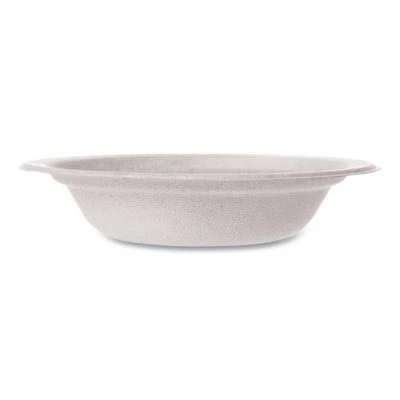
Bridge-Gate 12 oz. White Bagasse Bowl (1000 per Case)
- bagasse (sugarcane fiber), uncoated
- A third party reports verifying it as PFAS-free
- Mold or microbial growth during storage or use
3 hazards checked on this product, all on its full breakdown.
- Kraft molded fiber (uncoated or minimal treatment)
- A third party reports verifying it as PFAS-free
- Moisture absorption and microbial growth
3 hazards checked on this product, all on its full breakdown.
More compostable bowls grades
How we score, every product runs through the same public 0-100 rubric based on materials, coatings, brand disclosure, lab findings, and recalls. See the full methodology → Spotted a mistake? Report an error.