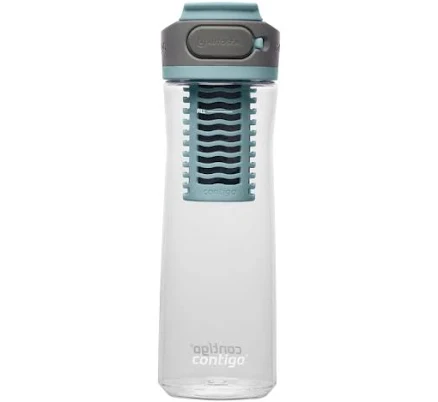
Contigo Clybourn Plastic FreeFlow Filter Water Bottle with Autoseal Lid
Lower concern. Carbon and plastic construction typical of water bottles.
Contigo makes no PFAS claims for this bottle. Plastic body and replaceable carbon filter aren't inherent PFAS sources, though brand silence leaves modest uncertainty.
We flunk more products than we pass. This one earned its grade. How we grade
Material
BPA-free plastic bottle, replaceable carbon filter
Lab data
No public lab test
What Contigo Clybourn Plastic FreeFlow Filter is made of, ingredients and materials
The Clybourn bottle uses BPA-free plastic (likely polypropylene or Tritan copolyester) for the main container and cap, which avoids the estrogen-mimicking concerns of older polycarbonate bottles. The replaceable carbon filter uses activated carbon, a standard water-filtration medium that adsorbs chlorine, taste, and odor but does not remove all contaminants or pathogens. The Autoseal lid mechanism is plastic-based with no reported leaching concerns under normal use.
What’s concerning
No PFAS disclosure
No public statement from the brand about PFAS in this product.
Bacterial growth in filter if unmaintained
Carbon filters are porous and can harbor biofilm if not replaced regularly or if the bottle is stored damp for extended periods. No recalls recorded for this model, but improper maintenance is a known risk with all carbon-filter bottles.
Filter performance claims vs. actual contaminant removal
Carbon filters are effective at chlorine and taste/odor removal but do not eliminate bacteria, viruses, heavy metals, or fluoride without additional stages. Consumers may assume broader protection than the filter provides; this is a labeling and expectation issue, not a safety failure per se.
Degradation of plastic seals and lid components over time
Repeated washing, UV exposure, or contact with hot water can weaken the Autoseal gasket and snap mechanism, potentially allowing mold ingress or seal failure. This is a durability and hygiene concern rather than an acute chemical hazard.
What’s reassuring
Base material not linked to PFAS
The main material recorded for this product is not one associated with PFAS.
BPA & bisphenols
The BPA-free plastic formulation reduces risk of endocrine-disrupting compounds, and Contigo has no reported incidents of leaching from the bottle or lid under normal (non-hot) use. Tritan and polypropylene are generally stable in room-temperature water.
Source, FDA ↗VOC or off-gassing from new plastic or filter media
New plastic bottles and carbon filters may release trace volatile compounds for the first few uses. Rinsing the bottle and filter before use, and allowing them to air dry, minimizes any off-gassing concern; no documented complaints for this product.
The full breakdown
The brand's record and disclosure
Contigo is owned by Essentials Group and does not publicly disclose materials testing or third-party certifications for PFAS or other contaminants in its water bottles. The brand has no high-profile recalls for leaching or filter-related contamination. Contigo emphasizes leak-proof engineering and convenience but maintains minimal transparency on chemical safety testing or supply-chain vetting.
How it compares in its category
This bottle occupies the mid-market segment, cheaper than premium brands like Hydro Flask or S'well that invest in rigorous testing, but mainstream enough to avoid outlier manufacturing corners. Compared to basic plastic bottles, the carbon filter adds a minor contamination risk if not properly maintained or replaced; compared to pitcher filters (Brita, PUR), the bottle-integrated filter is more convenient but less transparent about performance claims.
If you buy it
Replace the carbon filter every 2-3 months or per the manufacturer's guidance to prevent bacterial biofilm accumulation inside spent filters. Do not use the bottle for hot liquids above 60°C (140°F), as plastic-to-plastic lids and seals can degrade and release monomers. Rinse the bottle and filter thoroughly before first use. Store the bottle dry when not in use to inhibit mold growth in the filter chamber.
What we don’t know
- Basis
- Model estimate, 65% confidence, not a lab result
- Lab test
- None on record for this exact product
- Brand statement
- Contigo has made a specific claim
Formulations change between production runs, so check the current label. How we grade.
Better-graded alternatives in Water Filters
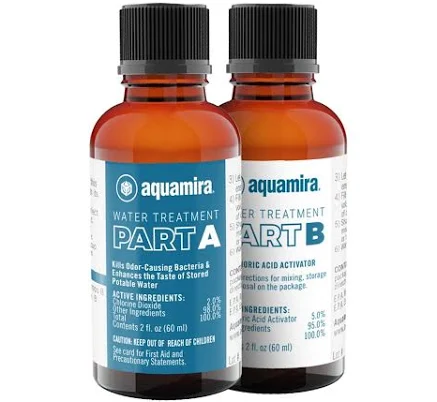
Aquamira
Water Storage Treatment 2 oz Glass Bottles 60 gallons Purification
- glass bottles, sodium dichloroisocyanurate treatment chemical
- We found no PFAS statement from the brand
- Chemical overdose or misuse
5 hazards checked on this product. See all of them.
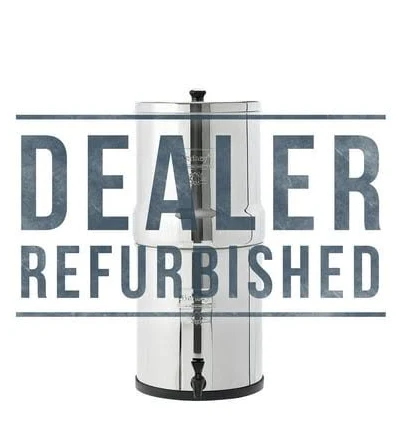
Big Berkey
Empty Housing with NO Filters Included
- Stainless steel housing and spigot
- We found no PFAS statement from the brand
- Bacterial growth and biofilm if filters not replaced
5 hazards checked on this product. See all of them.
LifeStraw
Home Glass Water Filter Pitcher
- Borosilicate glass pitcher, replaceable activated-carbon filter cartridge
- Bacterial growth in filter cartridge if unmaintained
5 hazards checked on this product. See all of them.
More water filters grades
How we score, every product runs through the same public 0-100 rubric based on materials, coatings, brand disclosure, lab findings, and recalls. See the full methodology → Spotted a mistake? Report an error.