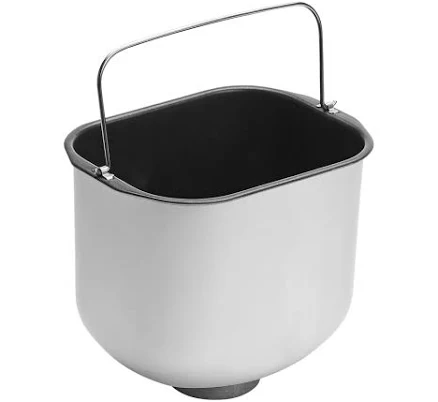
Cuisinart Bake Pan, Is It Non-Toxic?
The coating is unclear and PFAS risk is unknown.
Cuisinart won't disclose what coating is on this pan or whether PFAS is in it. Without lab data or brand honesty, nonstick cookware poses potential exposure.
The better-graded swap
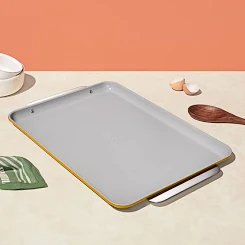
Caraway
Caraway Nonstick Ceramic Large Baking Sheet
90/100 safety
Same rubric that flunked this product. The swap earned Excellent.
Still want this one anyway? Check the price on Amazon. We’d swap it.
Material
Steel with nonstick coating, type unspecified
Lab data
No public lab test
You may also be interested in
Top-graded picks in the categories readers replace first, every one scored on the same rubric.

- polypropylene filter housing, carbon/sediment cartridge
- We found no PFAS statement from the brand
- Bacterial growth in spent cartridges
3 hazards checked on this product, all on its full breakdown.

Aquasure
Premier Series 75 GPD Under Sink Reverse Osmosis Water Filtration System
- RO membrane, carbon filters, stainless steel housing
- We found no PFAS statement from the brand
- Bacterial and microbial growth in housing and filters
4 hazards checked on this product, all on its full breakdown.

Avocado
Vegan Mattress
- organic cotton, natural latex, coconut coir, recycled steel coils
- The brand calls it PFAS-free, which we have not verified
- Heavy metals
2 hazards checked on this product, all on its full breakdown.
Is Cuisinart Bake Pan non-toxic? What it is made of
Cuisinart bake pans are typically carbon steel or aluminized steel with a proprietary nonstick coating; the exact Teflon-family coating or ceramic composition is not publicly disclosed by the brand. Steel substrates are chemically stable, but the nonstick layer is the critical variable, unspecified coatings create uncertainty around Teflon-type coating-based chemistry, fume risk at high heat, and leaching potential if compromised. Without formal material transparency from Cuisinart, buyers cannot confirm whether the coating contains legacy PFAS or newer replacements.
What’s concerning
Category baseline
The starting point for this type of product, before anything specific to this product is counted.
No PFAS disclosure
No public statement from the brand about PFAS in this product.
Non-stick, chemistry undisclosed
Marketed as non-stick without stating the coating chemistry.
Teflon-type coating fume risk (thermal decomposition)
If the coating contains Teflon-type coating (polytetrafluoroethylene), heating above 500°F can emit fumes; Cuisinart does not confirm or deny Teflon-type coating use. Risk is low under normal baking (typically below 450°F) but rises if cookware is preheated empty or repurposed for stovetop use at high heat.
Coating degradation and microflaking
Nonstick bake pans from mass-market brands commonly show wear within 2-5 years; small flecks of coating may shed into food if scratched or unevenly worn. Cuisinart does not specify coating thickness or durability warranty, making it impossible to predict longevity for individual users.
Aluminum leaching (if aluminum substrate)
If the substrate is aluminized steel rather than solid steel, aluminum contact with acidic foods is theoretical risk, though the steel layer and nonstick coating typically prevent direct exposure. Cuisinart product specs are ambiguous; some lines use pure carbon steel, others aluminized.
Incomplete or uneven coating coverage
Manufacturing defects leading to bare spots or thin coverage are infrequent but not zero-incidence across nonstick bakeware; contact with exposed substrate (steel) is low-risk but reduces nonstick performance and increases cleanup friction.
What’s reassuring
Lead
No documented cases of heavy metal contamination in Cuisinart bake pan coatings. Steel bakeware from major US/EU brands is subject to FDA food contact material rules and typically tested; no recalls exist on record.
Source, ATSDR ↗How is this PFAS grade calculated?
The brand's record and disclosure
Cuisinart does not publicly commit to lower concern nonstick formulations or publish detailed coating composition for its bakeware line, classifying it as silent on this issue. The brand has no documented safety recalls specific to nonstick coating failure or PFAS contamination in bake pans on record with the CPSC. However, absence of recalls does not confirm safety; it reflects that either incidents have not been reported at scale or Cuisinart has managed them quietly.
How it compares in its category
Most mass-market steel bake pans from Cuisinart, T-fal, Rachael Ray, and similar brands use proprietary nonstick coatings with undisclosed PFAS status, placing them in a transparency grey zone. Premium brands like Le Creuset (ceramic-enameled cast iron) and some ceramic-coated alternatives offer higher material clarity but at higher cost and weight penalty. Cuisinart's positioning is mainstream, affordable, non-toxic under normal use, but opaque on chemistry, typical for the category rather than a leader or laggard.
If you buy it
Avoid preheating empty above 400-450°F and never exceed 500°F to minimize Teflon-type coating degradation risk and fume release if the coating is Teflon-family coating-based. Hand-wash gently and inspect the cooking surface regularly for scratches, peeling, or discoloration; replace the pan if coating damage is visible. Use only soft utensils and avoid scouring pads; metal utensils and aggressive cleaning accelerate coating breakdown. Store dry and avoid prolonged moisture contact to extend coating lifespan.
What is not known about PFAS in this product?
- Basis
- Model estimate, 35% confidence, not a lab result
- Lab test
- None on record for this exact product
- Brand statement
- Cuisinart has made a specific claim
Formulations change between production runs, so check the current label. How we grade.
What are the PFAS-free alternatives to Cuisinart Bake Pan?
- ceramic nonstick coating
- A third party reports verifying it as PFAS-free
- Ceramic coating degradation over time
- ceramic nonstick coating
- A third party reports verifying it as PFAS-free
- Coating degradation and durability
2 hazards checked on this product, all on its full breakdown.
- ceramic nonstick coating
- The brand calls it PFAS-free, which we have not verified
- Ceramic coating degradation and particle shedding
3 hazards checked on this product, all on its full breakdown.
More bakeware grades
How we score, every product runs through the same public 0-100 rubric based on materials, coatings, brand disclosure, lab findings, and recalls. See the full methodology → Spotted a mistake? Report an error.