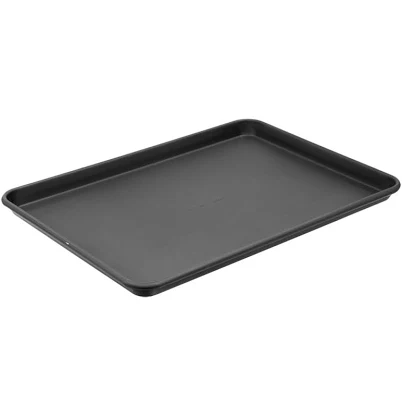
LloydPans Half Sheet Pan, Is It Non-Toxic?
Lower concern, uncoated aluminized steel avoids most PFAS risk.
LloydPans sheet pans use aluminized steel, which typically avoids Teflon-family coating PFAS coatings. The brand provides no PFAS-free marketing or coating details, but the uncoated material suggests lower concern.
The better-graded swap
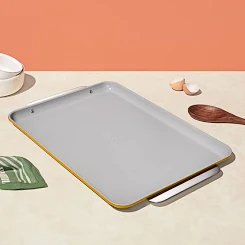
Caraway
Caraway Nonstick Ceramic Large Baking Sheet
90/100 safety
Same rubric that flunked this product. The swap earned Excellent.
Still want this one anyway? Check the price on Amazon. We’d swap it.
Material
Aluminized steel (uncoated or proprietary hard-anodized)
Brand disclosure
Brand is silent on PFAS
Lab data
No public lab test
You may also be interested in
Top-graded picks in the categories readers replace first, every one scored on the same rubric.

- polypropylene filter housing, carbon/sediment cartridge
- We found no PFAS statement from the brand
- Bacterial growth in spent cartridges
3 hazards checked on this product, all on its full breakdown.

Aquasure
Premier Series 75 GPD Under Sink Reverse Osmosis Water Filtration System
- RO membrane, carbon filters, stainless steel housing
- We found no PFAS statement from the brand
- Bacterial and microbial growth in housing and filters
4 hazards checked on this product, all on its full breakdown.

Avocado
Vegan Mattress
- organic cotton, natural latex, coconut coir, recycled steel coils
- The brand calls it PFAS-free, which we have not verified
- Heavy metals
2 hazards checked on this product, all on its full breakdown.
Is LloydPans Half Sheet Pan non-toxic? What it is made of
LloydPans Half Sheet Pan is constructed from aluminized steel, which is carbon steel coated with a thin layer of aluminum through a hot-dip process. This material is structurally sound for baking and does not require Teflon-type coating or other fluorinated non-stick coatings. Aluminized steel is not a material linked to PFAS; the aluminum layer is bonded to steel and not prone to flaking under normal oven conditions.
What’s concerning
Category baseline
The starting point for this type of product, before anything specific to this product is counted.
No PFAS disclosure
No public statement from the brand about PFAS in this product.
Non-stick, chemistry undisclosed
Marketed as non-stick without stating the coating chemistry.
Aluminum leaching in acidic conditions
Aluminized steel can release small amounts of aluminum when in prolonged contact with acidic foods (pH below 4). This is a documented property of aluminum-containing cookware, though the risk is low for typical baking use (cookies, bread, roasted vegetables). Acidic foods such as tomato sauce or citrus should be avoided or transferred promptly after baking.
What’s reassuring
Coating degradation and flaking
No reported cases of aluminized coating flaking or degrading on LloydPans half-sheet pans under normal use. The hot-dip aluminizing process creates a metallurgical bond rather than a painted or applied coating, making flaking unlikely compared to non-stick or ceramic coatings.
Lead
LloydPans half-sheet pans are not enameled or glazed; they are bare aluminized steel. This hazard is not applicable to this product type. Enamel or ceramic-coated bakeware would be the relevant concern.
Source, ATSDR ↗Teflon-type coating fume risk from non-stick coating
This pan has no Teflon-type coating or Teflon-family coating non-stick coating. Teflon-type coating fume risk is absent. This is a material advantage over coated non-stick pans, which can off-gas if overheated above 500 degrees Fahrenheit.
Heavy metals
No public testing or recalls document heavy metal contamination (arsenic, chromium, etc.) in LloydPans cookware. The brand does not disclose third-party heavy metal assays, so this assessment relies on the absence of reported incidents and the standard safety of steel and aluminum in food-contact bakeware.
Source, FDA ↗How is this PFAS grade calculated?
The brand's record and disclosure
Lloyd Pans (also marketed as LloydPans) is a US-based bakeware manufacturer with a longstanding presence in commercial and home baking supply. The brand does not publish detailed material safety data sheets or third-party testing results on its website. No major product recalls or health controversies are on public record for this product line. The company's silence on PFAS and heavy metals testing is typical of traditional bakeware makers but limits independent verification.
How it compares in its category
Aluminized steel half-sheet pans are a middle-ground option, they avoid Teflon-type coating non-stick risks (present in coated pans like Teflon or ceramic-coated models) and do not rely on anodizing, which can occasionally degrade. Bare steel or carbon steel pans require seasoning and maintenance; anodized aluminum pans are lighter but can pit if acidic foods contact them. LloydPans' aluminized approach is durable and predictable for standard baking without special care.
If you buy it
Use the pan for dry baking (cookies, bread, roasted vegetables) without concern. Avoid prolonged contact with acidic ingredients (tomato sauce, vinegar, citrus) as aluminum can leach slightly in acidic conditions, though the steel core limits this risk. Hand wash rather than dishwasher to preserve the aluminum surface. Replace only if the surface develops deep rust, significant denting that affects heat distribution, or visible pitting; normal darkening and wear are cosmetic and do not indicate a material concern.
What is not known about PFAS in this product?
- Basis
- Model estimate, 72% confidence, not a lab result
- Lab test
- None on record for this exact product
- Brand statement
- LloydPans has made none
Formulations change between production runs, so check the current label. How we grade.
What are the PFAS-free alternatives to LloydPans Half Sheet Pan?
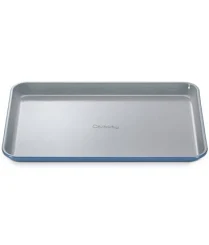
- ceramic nonstick coating
- A third party reports verifying it as PFAS-free
- Ceramic coating degradation over time
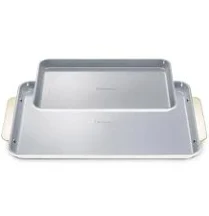
- ceramic nonstick coating
- A third party reports verifying it as PFAS-free
- Coating degradation and durability
2 hazards checked on this product, all on its full breakdown.
- ceramic nonstick coating
- The brand calls it PFAS-free, which we have not verified
- Ceramic coating degradation and particle shedding
3 hazards checked on this product, all on its full breakdown.
More bakeware grades
How we score, every product runs through the same public 0-100 rubric based on materials, coatings, brand disclosure, lab findings, and recalls. See the full methodology → Spotted a mistake? Report an error.