Cuisinart · Parchment Paper & Baking Liners
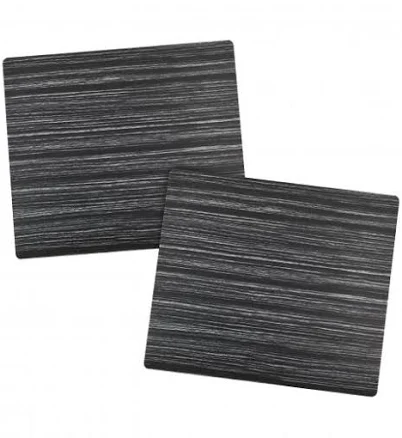
Cuisinart Cutting Mat Set of 2
Lower PFAS concern in uncoated plastic cutting mats.
Cutting mats typically use bare polypropylene or polyethylene with no chemical coatings added. Cuisinart shares no PFAS claims, which aligns with standard industry practice.
The better-graded swap
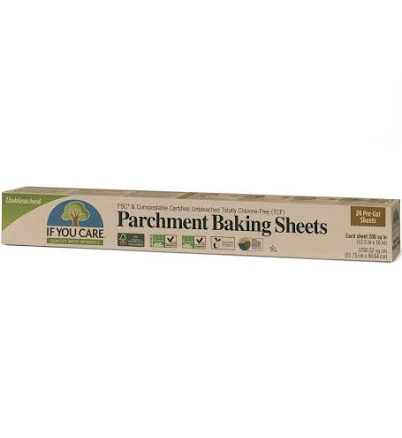
If You Care
If You Care Parchment Baking Sheets
90/100 safety
Same rubric that flunked this product. The swap earned Excellent.
Still want this one anyway? Check the price on Amazon. We’d swap it.
Material
polyethylene or polypropylene cutting mat
Lab data
No public lab test
You may also be interested in
Top-graded picks in the categories readers replace first, every one scored on the same rubric.

- polypropylene filter housing, carbon/sediment cartridge
- We found no PFAS statement from the brand
- Bacterial growth in spent cartridges
3 hazards checked on this product, all on its full breakdown.

Aquasure
Premier Series 75 GPD Under Sink Reverse Osmosis Water Filtration System
- RO membrane, carbon filters, stainless steel housing
- We found no PFAS statement from the brand
- Bacterial and microbial growth in housing and filters
4 hazards checked on this product, all on its full breakdown.

Avocado
Vegan Mattress
- organic cotton, natural latex, coconut coir, recycled steel coils
- The brand calls it PFAS-free, which we have not verified
- Heavy metals
2 hazards checked on this product, all on its full breakdown.
What Cuisinart Cutting Mat Set of 2 is made of, ingredients and materials
Cuisinart cutting mats are made from polyethylene (PE) or polypropylene (PP), both thermoplastics with low chemical leaching potential at room temperature. These materials do not contain BPA, phthalates, or formaldehyde by design, making them chemically stable for dry food contact. The soft polymer construction prevents metal corrosion and food scratching, but also means the mat will degrade physically over years of use and knife contact rather than through chemical degradation.
What’s concerning
Category baseline
The starting point for this type of product, before anything specific to this product is counted.
No PFAS disclosure
No public statement from the brand about PFAS in this product.
Microplastic shedding from mechanical wear
Repeated knife cuts and dishwasher cycles gradually fragment PE/PP mats into microparticles. Ingestion risk is low but cumulative over years of use; no brand-specific data exists for Cuisinart mats on shedding rates.
Bacterial colonization in scored surfaces
Deep knife grooves trap food residue and moisture, creating microhabitats for pathogens if mats are not cleaned promptly and thoroughly. This is a hygiene issue rather than chemical toxicity, but a documented food-safety concern for all plastic cutting surfaces.
Heat degradation and off-gassing
If exposed to temperatures above 80°C, PE/PP can begin to soften and release trace amounts of volatile organic compounds (VOCs); risk is very low in normal kitchen use but rises if placed near ovens or dishwashers running hot cycles.
What’s reassuring
Base material not linked to PFAS
The main material recorded for this product is not one associated with PFAS.
Additive leaching from colorants or slip agents
Commercial PE/PP cutting mats may contain minor additives (carbon black for color, silica for slip resistance) but these are bound within the polymer matrix and do not leach at room temperature or during normal food contact. No safety incidents reported for Cuisinart mats.
BPA & bisphenols
Pure PE and PP formulations do not require BPA as a hardener or phthalates as plasticizers, and no recalls or test data suggest Cuisinart mats contain these chemicals. This hazard class is not a concern for this product type.
Source, FDA ↗How is this PFAS grade calculated?
The brand's record and disclosure
Cuisinart does not publicly disclose material sourcing or third-party testing certifications for cutting mats. The brand has not issued recalls specifically for cutting mats due to chemical hazards. Cuisinart manufactures cookware and kitchen tools but does not emphasize food-contact material transparency in marketing; their safety stance is silent on PFAS and other additives in non-coated plastic products.
How it compares in its category
PE and PP cutting mats are linked to lower chemical concern than some bamboo or wood products that may harbor bacteria, or glass mats that pose breakage risk. Most commercial cutting mat sets (OXO, Victorinox, generic) use identical PE or PP construction with no meaningful safety differentiation. This Cuisinart set is standard-tier in material choice, neither premium nor discount-quality.
If you buy it
Keep mats away from direct heat sources and do not use in the oven; PE/PP softens around 60-100°C depending on grade. Wash by hand or on gentle dishwasher cycles to extend lifespan; abrasive scrubbing and high heat accelerate wear. Replace when surface becomes deeply scored or discolored, as damaged areas can trap bacteria and food particles. Store flat or rolled loosely to prevent creasing.
What is not known about PFAS in this product?
- Basis
- Model estimate, 72% confidence, not a lab result
- Lab test
- None on record for this exact product
- Brand statement
- Cuisinart has made a specific claim
Formulations change between production runs, so check the current label. How we grade.
What are the PFAS-free alternatives to Cuisinart Cutting Mat Set of 2?
- silicone-coated parchment paper
- The brand calls it PFAS-free, which we have not verified
- Paper degradation and particulate shedding
- unbleached paper with silicone coating
- The brand calls it PFAS-free, which we have not verified
- Silicone coating degradation at high heat
- bleached paper with silicone coating
- The brand calls it PFAS-free, which we have not verified
- Paper degradation and fragmentation
More parchment paper & baking liners grades
How we score, every product runs through the same public 0-100 rubric based on materials, coatings, brand disclosure, lab findings, and recalls. See the full methodology → Spotted a mistake? Report an error.