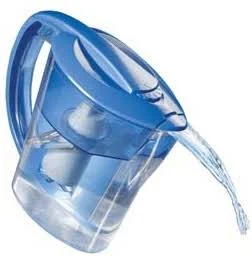
Culligan PIT-1 Water Filter Pitcher
Lower-concern choice; standard carbon/resin filter avoids known PFAS hotspots, but Culligan makes no public PFAS commitments.
The Culligan PIT-1 uses activated carbon and ion-exchange resin, materials not typically associated with intentional PFAS use. Culligan provides no public disclosure about PFAS in manufacturing or filtration performance.
We flunk more products than we pass. This one earned its grade. How we grade
Material
Activated carbon and ion-exchange resin filter media; plastic pitcher housing
Lab data
No public lab test
You may also be interested in
Top-graded picks in the categories readers replace first, every one scored on the same rubric.

Aqua Pure
3M Aqua-Pure AP802B Whole House Filter Housing
- polypropylene filter housing, carbon/sediment cartridge
- We found no PFAS statement from the brand
- Bacterial growth in spent cartridges
3 hazards checked on this product. See all of them.

Aquasure
Premier Series 75 GPD Under Sink Reverse Osmosis Water Filtration System
- RO membrane, carbon filters, stainless steel housing
- We found no PFAS statement from the brand
- Bacterial and microbial growth in housing and filters
4 hazards checked on this product. See all of them.

Avocado
Vegan Mattress
- organic cotton, natural latex, coconut coir, recycled steel coils
- The brand calls it PFAS-free, which we have not verified
- Heavy metals
2 hazards checked on this product. See all of them.
What Culligan PIT-1 Water Filter Pitcher is made of, ingredients and materials
The PIT-1 uses activated carbon and ion-exchange resin as its filter media, both inert materials widely recognized for removing chlorine, taste, odor, and some dissolved contaminants. The pitcher housing is plastic (typically polypropylene or similar food-grade polymer), which does not leach into cold water when maintained correctly. Activated carbon and resin do not off-gas VOCs or formaldehyde under normal cold-water use, making them chemically stable during storage and pouring.
What’s concerning
No PFAS disclosure
No public statement from the brand about PFAS in this product.
Bacterial growth in pitcher reservoir
Pitcher-style filters with standing water and porous cartridge media can harbor bacterial biofilm if not changed every 2-3 months or if water sits undisturbed; no documented incidents specific to PIT-1, but standard risk for all pitcher filters.
Activated carbon dust or resin particles in filtered water
New or poorly installed cartridges may shed fine carbon dust or resin beads into the first few pitchers of filtered water; rinsing the cartridge and running 1-2 discarded pitchers through before drinking helps mitigate this common but harmless physical issue.
Cartridge replacement frequency and filter saturation
Culligan does not publish detailed saturation timelines for PIT-1 cartridges under various water hardness or chlorine levels; overused cartridges may stop removing contaminants and become breeding grounds for microorganisms.
What’s reassuring
Base material not linked to PFAS
The main material recorded for this product is not one associated with PFAS.
Plastic housing leachates (cold water use)
Food-grade polypropylene used in pitcher housings does not measurably leach BPA, BPS, or phthalates in cold water; no recalls or test results indicating leaching in the PIT-1 product line.
The full breakdown
The brand's record and disclosure
Culligan is a legacy water-treatment brand with a long operating history but minimal recent public transparency on material safety, testing protocols, or third-party certifications for pitcher products. The company has not published statements regarding PFAS removal or avoidance in pitcher cartridges, nor disclosed specific plastic resin grades used in housing. No major product recalls for leaching or contamination have been publicly recorded for this product line in recent years.
How it compares in its category
Pitcher filters with activated carbon and resin are the industry standard and represent a middle-ground cost and performance tier; they do not carry known PFAS introduction risks that some competing brands face from cartridge materials or manufacturing additives. More basic pitcher filters (single-stage carbon only) offer similar cold-water safety profiles; premium brands like Brita and PUR offer equivalent filtration chemistry with somewhat higher disclosure transparency. The Culligan PIT-1 sits in the commodity segment without differentiated material or safety claims.
If you buy it
Replace the cartridge every 2-3 months or when flow noticeably decreases; store the pitcher in a cool, dark place away from direct heat or sunlight to maintain plastic integrity and prevent microorganism growth in the reservoir. Never fill with hot water or leave standing water in the pitcher for more than a few days; rinse the pitcher and cartridge housing with cool water before first use. Check the filter housing regularly for cracks or discoloration; if the plastic becomes cloudy or embrittled, replace the pitcher itself.
What we don’t know
- Basis
- Model estimate, 72% confidence, not a lab result
- Lab test
- None on record for this exact product
- Brand statement
- Culligan has made a specific claim
Formulations change between production runs, so check the current label. How we grade.
Better-graded alternatives in Water Filters

Aquamira
Water Storage Treatment 2 oz Glass Bottles 60 gallons Purification
- glass bottles, sodium dichloroisocyanurate treatment chemical
- We found no PFAS statement from the brand
- Chemical overdose or misuse
5 hazards checked on this product. See all of them.

Big Berkey
Empty Housing with NO Filters Included
- Stainless steel housing and spigot
- We found no PFAS statement from the brand
- Bacterial growth and biofilm if filters not replaced
5 hazards checked on this product. See all of them.

LifeStraw
Home Glass Water Filter Pitcher
- Borosilicate glass pitcher, replaceable activated-carbon filter cartridge
- Bacterial growth in filter cartridge if unmaintained
5 hazards checked on this product. See all of them.
More water filters grades
How we score, every product runs through the same public 0-100 rubric based on materials, coatings, brand disclosure, lab findings, and recalls. See the full methodology → Spotted a mistake? Report an error.