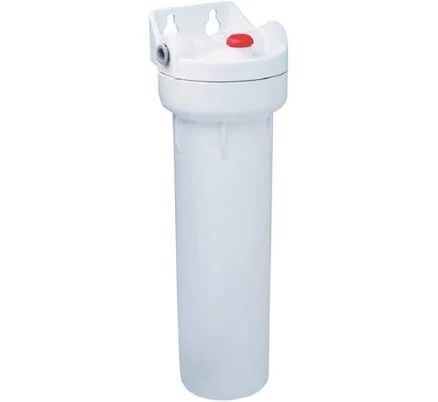
Culligan US-600A Under Sink Water Filter System
Lower-concern choice; standard carbon with no known PFAS, no disclosure.
The US-600A uses activated carbon and NSF-certified polypropylene, materials not inherently associated with PFAS exposure. No public PFAS claims or independent lab data exist for this model.
We flunk more products than we pass. This one earned its grade. How we grade
Material
activated carbon filter, NSF-certified polypropylene housing
Lab data
No public lab test
You may also be interested in
Top-graded picks in the categories readers replace first, every one scored on the same rubric.

Aqua Pure
3M Aqua-Pure AP802B Whole House Filter Housing
- polypropylene filter housing, carbon/sediment cartridge
- We found no PFAS statement from the brand
- Bacterial growth in spent cartridges
3 hazards checked on this product. See all of them.

Aquasure
Premier Series 75 GPD Under Sink Reverse Osmosis Water Filtration System
- RO membrane, carbon filters, stainless steel housing
- We found no PFAS statement from the brand
- Bacterial and microbial growth in housing and filters
4 hazards checked on this product. See all of them.

Avocado
Vegan Mattress
- organic cotton, natural latex, coconut coir, recycled steel coils
- The brand calls it PFAS-free, which we have not verified
- Heavy metals
2 hazards checked on this product. See all of them.
What Culligan US-600A Under Sink Water Filter is made of, ingredients and materials
The US-600A uses activated carbon as its primary filtration medium, which works by adsorption to trap chlorine, sediment, and some volatile organic compounds. The housing is NSF-certified polypropylene, a thermoplastic that is chemically stable at room temperature and under the pressures typical of undersink systems. Polypropylene does not leach BPA or phthalates under normal potable water conditions, and the NSF certification means third-party testing has confirmed no leachables at levels of concern.
What’s concerning
No PFAS disclosure
No public statement from the brand about PFAS in this product.
Bacterial colonization in activated carbon media
Saturated carbon filters can harbor bacterial biofilm if cartridges are not replaced regularly or if water stagnates in the system. This is a general risk for all carbon filters, not specific to Culligan, but regular maintenance intervals (every 6 months) minimize it.
Lead
Improper installation or over-tightening of cartridge housings can damage o-ring seals, allowing unfiltered water to reach the outlet. This is an installation and maintenance issue, not a material defect, and can be prevented with careful assembly.
Source, ATSDR ↗What’s reassuring
Base material not linked to PFAS
The main material recorded for this product is not one associated with PFAS.
Polypropylene housing degradation
NSF-certified polypropylene is chemically stable under potable water conditions and does not leach measurable quantities of known toxins. No documented failures or leachate incidents are on record for the US-600A housing.
Heavy metals
Genuine Culligan replacement cartridges are NSF-certified and subject to the same standards as the original unit. Using counterfeit or off-brand cartridges introduces an unknown risk that falls outside the manufacturer's safety claims.
Source, FDA ↗The full breakdown
The brand's record and disclosure
Culligan is a major water treatment brand with decades of market presence and NSF certification for this model, which signals basic safety compliance. The company does not publish explicit PFAS removal claims or detailed disclosures about PFAS in source water or filtrate, which is typical for mid-tier filter manufacturers. No major recalls or leachate incidents are on record for this specific model. Culligan's silence on PFAS reflects industry practice rather than a documented safety gap.
How it compares in its category
Under-sink carbon filters are among the lowest-risk water filtration options because they avoid the microbial colonization problems common in pitcher filters and the complex chemistry of reverse osmosis membranes. The US-600A is a standard activated-carbon design with no exotic coatings or ion-exchange resins that might introduce secondary contaminants. It sits in the mainstream performance tier for residential carbon filters, not a premium PFAS-targeted system but also not a budget model with unverified claims.
If you buy it
Replace cartridges every 6 months or per manufacturer guidance to prevent bacterial regrowth in saturated carbon media, especially if water sits in the filter for extended periods. Do not exceed the system's flow rate or pressure rating, as doing so can force unfiltered water past the cartridge. Install the system in a location with adequate drainage clearance, as polypropylene housings are brittle if over-tightened or dropped. Check for leaks at fittings during installation and ensure replacement cartridges are genuine Culligan products to maintain NSF certification.
What we don’t know
- Basis
- Model estimate, 72% confidence, not a lab result
- Lab test
- None on record for this exact product
- Brand statement
- Culligan has made a specific claim
Formulations change between production runs, so check the current label. How we grade.
Better-graded alternatives in Water Filters

Aquamira
Water Storage Treatment 2 oz Glass Bottles 60 gallons Purification
- glass bottles, sodium dichloroisocyanurate treatment chemical
- We found no PFAS statement from the brand
- Chemical overdose or misuse
5 hazards checked on this product. See all of them.

Big Berkey
Empty Housing with NO Filters Included
- Stainless steel housing and spigot
- We found no PFAS statement from the brand
- Bacterial growth and biofilm if filters not replaced
5 hazards checked on this product. See all of them.

LifeStraw
Home Glass Water Filter Pitcher
- Borosilicate glass pitcher, replaceable activated-carbon filter cartridge
- Bacterial growth in filter cartridge if unmaintained
5 hazards checked on this product. See all of them.
More water filters grades
How we score, every product runs through the same public 0-100 rubric based on materials, coatings, brand disclosure, lab findings, and recalls. See the full methodology → Spotted a mistake? Report an error.