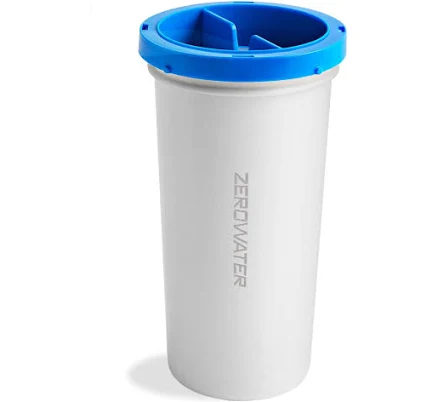
Culligan ZeroWater Technology Replacement Filter
Lower-concern filter; no known PFAS risk, but manufacturer makes no disclosure.
ZeroWater replacement filters use activated carbon and ion-exchange resin, standard filtration media with no established PFAS manufacturing path. Culligan does not publicly claim PFAS-free status or provide third-party verification.
We flunk more products than we pass. This one earned its grade. How we grade
Material
Activated carbon, ion-exchange resin, filter media
Lab data
No public lab test
You may also be interested in
Top-graded picks in the categories readers replace first, every one scored on the same rubric.

Aqua Pure
3M Aqua-Pure AP802B Whole House Filter Housing
- polypropylene filter housing, carbon/sediment cartridge
- We found no PFAS statement from the brand
- Bacterial growth in spent cartridges
3 hazards checked on this product. See all of them.

Aquasure
Premier Series 75 GPD Under Sink Reverse Osmosis Water Filtration System
- RO membrane, carbon filters, stainless steel housing
- We found no PFAS statement from the brand
- Bacterial and microbial growth in housing and filters
4 hazards checked on this product. See all of them.

Avocado
Vegan Mattress
- organic cotton, natural latex, coconut coir, recycled steel coils
- The brand calls it PFAS-free, which we have not verified
- Heavy metals
2 hazards checked on this product. See all of them.
What Culligan ZeroWater Technology Replacement is made of, ingredients and materials
ZeroWater filters use granular activated carbon paired with proprietary ion-exchange resin to remove dissolved solids and contaminants. Activated carbon is inert once saturated and does not degrade into harmful byproducts under normal use. Ion-exchange resins are stable polymer beads that soften water by swapping ions; they remain in the filter housing and do not leach into drinking water if the filter is intact and properly seated.
What’s concerning
No PFAS disclosure
No public statement from the brand about PFAS in this product.
Bacterial growth in filter housing
Moist filter housings can harbor biofilm if not dried between uses or if replacement interval is exceeded. Regular inspection and drying of the mounting area reduce this risk substantially.
Over-saturation and contaminant bypass
Ion-exchange resins have finite capacity; overuse beyond rated service life (often 40 gallons or 2 to 3 months) allows contaminants to pass through untreated. TDS meter feedback or manufacturer guidelines help prevent this.
Plastic housing chemical leaching
The filter housing itself (if polycarbonate or polyester) can shed small amounts of leachable compounds under prolonged contact with water at room temperature, though risk is low in normal intermittent use. Avoid exposing the cartridge to heat or sunlight.
What’s reassuring
Base material not linked to PFAS
The main material recorded for this product is not one associated with PFAS.
Ion-exchange resin leachate
No published evidence of harmful resin particles or chemical leachate entering drinking water from intact ZeroWater cartridges. Risk exists only if the filter housing is cracked or resin beads escape, which is rare with proper installation.
Activated-carbon dust migration
Granular carbon can shed fine particles if not pre-rinsed or if the filter medium is damaged. First use should include a brief flush to clear loose carbon dust.
The full breakdown
The brand's record and disclosure
Culligan is a major water-treatment brand with decades of market presence but does not publish detailed material safety data sheets or third-party test results for replacement filters. The company makes no explicit public statement on PFAS removal or absence. No recalls specific to leachate or bacterial contamination of ZeroWater replacement filters are on record. Culligan certifies products to NSF/ANSI standards where applicable, though independent verification of replacement-cartridge claims is limited.
How it compares in its category
Faucet-mounted filters like this sit midway between pitcher filters (minimal treatment, frequent changes) and under-sink systems (more robust carbon beds, longer service). ZeroWater's dual-media design is more comprehensive than single-carbon alternatives and reduces sediment and taste/odor better than pitcher filters alone. Ion-exchange addition distinguishes it from basic carbon-only competitors but does not eliminate all contaminant classes (e.g., microbial pathogens still require secondary means).
If you buy it
Replace filters every 2 to 3 months or per the manufacturer's total dissolved solids (TDS) meter threshold to prevent resin saturation and bypass of contaminants. Store replacement cartridges in a cool, dry place away from heat or sunlight to preserve resin function. Ensure the filter housing is clean and dry before inserting a new cartridge; wet or moldy housing can introduce bacteria. Do not use with water above 100 degrees Fahrenheit; high temperature can degrade resin performance.
What we don’t know
- Basis
- Model estimate, 72% confidence, not a lab result
- Lab test
- None on record for this exact product
- Brand statement
- Culligan has made a specific claim
Formulations change between production runs, so check the current label. How we grade.
Better-graded alternatives in Water Filters

Aquamira
Water Storage Treatment 2 oz Glass Bottles 60 gallons Purification
- glass bottles, sodium dichloroisocyanurate treatment chemical
- We found no PFAS statement from the brand
- Chemical overdose or misuse
5 hazards checked on this product. See all of them.

Big Berkey
Empty Housing with NO Filters Included
- Stainless steel housing and spigot
- We found no PFAS statement from the brand
- Bacterial growth and biofilm if filters not replaced
5 hazards checked on this product. See all of them.

LifeStraw
Home Glass Water Filter Pitcher
- Borosilicate glass pitcher, replaceable activated-carbon filter cartridge
- Bacterial growth in filter cartridge if unmaintained
5 hazards checked on this product. See all of them.
More water filters grades
How we score, every product runs through the same public 0-100 rubric based on materials, coatings, brand disclosure, lab findings, and recalls. See the full methodology → Spotted a mistake? Report an error.