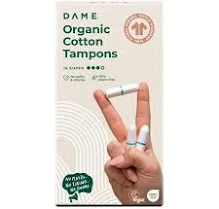
Dame Organic Cotton Tampons Super Absorbency 16 Pack
Lower concern. Organic cotton core has minimal PFAS risk.
Dame's tampons use organic cotton with no known Teflon-family coating treatments. The brand makes no PFAS claims but the inherent material poses lower risk than synthetic or coated alternatives.
We flunk more products than we pass. This one earned its grade. How we grade
Material
organic cotton
Brand disclosure
Brand is silent on PFAS
Lab data
No public lab test
What Dame Organic Cotton Tampons Super is made of, ingredients and materials
Dame tampons are constructed from organic cotton, which eliminates synthetic fiber blends and pesticide residue common in conventional tampons. Organic certification (typically GOTS or equivalent) verifies the cotton grew without synthetic pesticides, herbicides, or GMO seeds. The core material itself carries minimal risk for microplastics, heavy metals in dyes, or formaldehyde-based resins used to bind lower-grade cotton blends. No applicator material is noted in this 16-pack product line, reducing concerns tied to plastic or cardboard coating leachables.
What’s concerning
Category baseline
The starting point for this type of product, before anything specific to this product is counted.
No PFAS disclosure
No public statement from the brand about PFAS in this product.
Allergen sensitization from undisclosed fragrance or additives
No fragrance or additive claims are published for this product, suggesting a plain cotton formulation. However, full ingredient disclosure is not independently verified; users with general cotton sensitivity or contact dermatitis should perform a patch test.
What’s reassuring
Base material not linked to PFAS
The main material recorded for this product is not one associated with PFAS.
Bleach residues and dioxins (conventional processing)
Organic cotton tampons bypass conventional chlorine bleaching, eliminating dioxin byproducts. No bleach-related contamination is on record for Dame organic tampons.
Pesticide residue
Organic certification excludes synthetic pesticides and herbicides. While supply-chain verification is not independently published, organic labeling removes this hazard class at the material source.
Source, EPA ↗Heavy metals
No reports of synthetic dye contamination or heavy metal presence in Dame organic tampons. Organic processing typically avoids azo dyes, though independent testing is not publicly disclosed.
Source, FDA ↗Formaldehyde / VOCs
100 percent organic cotton eliminates formaldehyde-based binding resins used in cotton-synthetic blends. No formaldehyde contamination reported for this product.
Source, ATSDR ↗The full breakdown
The brand's record and disclosure
Dame Products has published ingredient transparency for their tampons and maintains organic certification claims, though the brand does not publicly disclose PFAS testing or water-use data for cotton supply chains. No recalls, contamination reports, or regulatory actions are on record for this product. The company markets itself as focused on menstrual product safety and materials transparency, though independent third-party testing results are not widely available in public databases. Brand communication on formaldehyde, heavy metals, or dye safety is minimal.
How it compares in its category
Organic cotton tampons represent a lower-concern option compared to conventional tampons, which often use pesticide-treated cotton and may contain residual bleach byproducts (dioxins) from chlorine processing. Dame's positioning and organic claims align with category leaders like Cora and Seventh Generation in material choice. Non-organic alternatives may carry higher risk for pesticide metabolites or synthetic dye allergens; applicator-based products introduce additional material and leachable hazards. Organic cotton alone does not eliminate all processing risks, but it significantly reduces chemical burden at the source.
If you buy it
Store in a cool, dry place away from direct sunlight to prevent cotton degradation and mold growth in humid bathrooms. Change tampons every 4 to 8 hours; leaving them in longer than recommended increases risk of bacterial overgrowth and toxic shock syndrome (TSS), unrelated to material but critical to safe use. If you experience unusual odor, discoloration, or allergic reactions (itching, rash), discontinue use and consult a healthcare provider; organic cotton does not guarantee individual tolerance. Dispose of tampons in household trash, not toilets, to prevent plumbing issues.
What we don’t know
- Basis
- Model estimate, 78% confidence, not a lab result
- Lab test
- None on record for this exact product
- Brand statement
- Dame has made none
Formulations change between production runs, so check the current label. How we grade.
Better-graded alternatives in Tampons
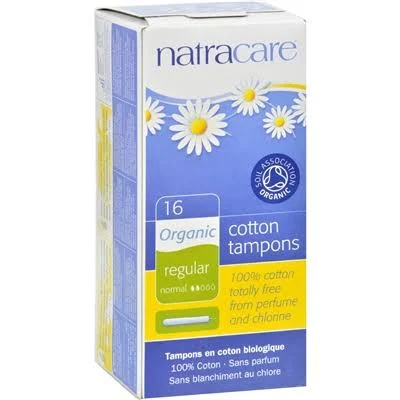
Natracare
100% Organic Cotton Tampons
- 100% organic cotton
- A third party reports verifying it as PFAS-free
- Heavy metals
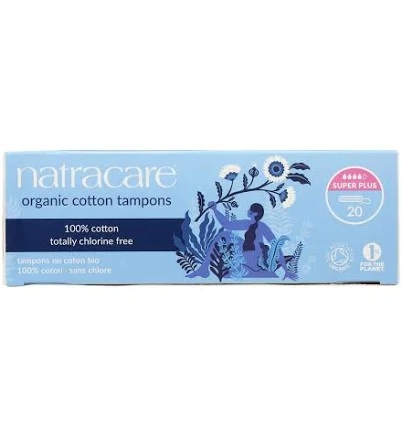
Natracare
Organic Super Plus Tampons, 3 x 20 ct
- organic cotton, cardboard applicator
- The brand calls it PFAS-free, which we have not verified
- Dioxins from bleaching
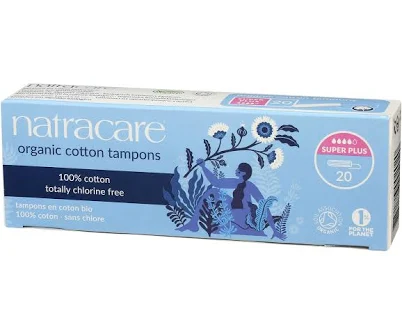
Natracare
Organic Cotton Super Plus Tampons
- organic cotton, no added fluorochemicals
- The brand calls it PFAS-free, which we have not verified
- Verified PFAS-free by a third party
More tampons grades
How we score, every product runs through the same public 0-100 rubric based on materials, coatings, brand disclosure, lab findings, and recalls. See the full methodology → Spotted a mistake? Report an error.