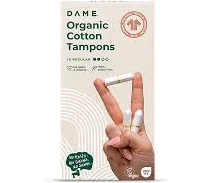
DAME Regular Cotton Tampons 16 Pack
Lower concern. Cotton core poses minimal PFAS risk.
DAME Regular tampons are cotton-based with no known Teflon-family coating coatings or water-repellent treatments. Brand does not claim PFAS-free status, but primary material carries lower inherent risk.
We flunk more products than we pass. This one earned its grade. How we grade
Material
cotton
Brand disclosure
Brand is silent on PFAS
Lab data
No public lab test
What DAME Regular Cotton Tampons 16 Pack is made of, ingredients and materials
Dame Regular Cotton Tampons are constructed from cotton fibers, a natural cellulose material that does not chemically break down or leach into the body during normal menstrual use. Cotton is absorbent by its fiber structure, not by chemical coating or treatment; the material itself poses minimal risk of leaching synthetic compounds. The applicator (not specified here as plastic or cardboard in public records) may carry separate concerns if plastic, but the absorbent core is the primary contact material.
What’s concerning
Category baseline
The starting point for this type of product, before anything specific to this product is counted.
No PFAS disclosure
No public statement from the brand about PFAS in this product.
Bacterial colonization and toxic shock syndrome (TSS) risk
Inherent to all tampons regardless of material; risk increases with prolonged wear (>8 hours) or high absorbency mismatch. Cotton alone does not increase or decrease TSS risk compared to other materials; usage pattern is the primary driver.
Applicator material leaching (if plastic)
Applicator composition is not disclosed in available product documentation. If plastic, BPA or phthalate exposure is theoretically possible but unlikely given brief contact and non-heated context; cardboard applicators carry no known chemical hazard.
What’s reassuring
Base material not linked to PFAS
The main material recorded for this product is not one associated with PFAS.
Pesticide residue
No specific testing results or contamination records are publicly available for Dame Regular Cotton Tampons. Conventional (non-organic) cotton may carry pesticide residues from cultivation, but intravaginal exposure levels are not established as hazardous in published research.
Source, EPA ↗Bleach or chlorine dioxide residues in processing
Dame does not publicly state whether this product is bleach-free or processed with chlorine dioxide. Standard tampon processing may leave trace residues, but no recall or adverse event data is on record for this brand or product line.
Allergic reaction to cotton or residual dyes
Cotton is hypoallergenic and rarely triggers contact dermatitis. No documented allergen warnings or recall history exists for this product; individual sensitivity remains possible but not established as a product-specific concern.
The full breakdown
The brand's record and disclosure
Dame Products maintains a direct-to-consumer brand positioning with emphasis on material transparency. The company does not publicly disclose comprehensive third-party certifications (such as Organic, GOTS, or FDA clearance statements) in widely available sources. No established safety recalls or contamination incidents are on record for this product line. The brand's PFAS stance is not formally documented in public statements, leaving disclosure gaps around their supply-chain testing or standards compliance.
How it compares in its category
Standard cotton tampons from all brands carry similar material profiles; the differentiation rests on applicator type (plastic vs. cardboard vs. applicator-free) and certification status (organic, bleach-free, allergen-tested). Dame's regular cotton offering sits in the middle of market offerings, not marketed as organic or certified, but also without reported contamination. Competitors with third-party certifications (Cora, Seventh Generation) provide additional assurance; Dame's lack of visible certification is a gap, not an established defect.
If you buy it
Use one tampon per application and replace every 4-8 hours to reduce bacterial overgrowth risk and toxic shock syndrome risk (standard guidance for all tampons). Store in a dry environment away from direct heat or humidity to prevent mold or bacterial colonization of the package. Discontinue use and seek medical advice if signs of irritation, allergic reaction, or unusual discharge occur. No special heating, washing, or maintenance applies; dispose of used tampons in household waste or composting systems where permitted.
What we don’t know
- Basis
- Model estimate, 78% confidence, not a lab result
- Lab test
- None on record for this exact product
- Brand statement
- Dame has made none
Formulations change between production runs, so check the current label. How we grade.
Better-graded alternatives in Tampons
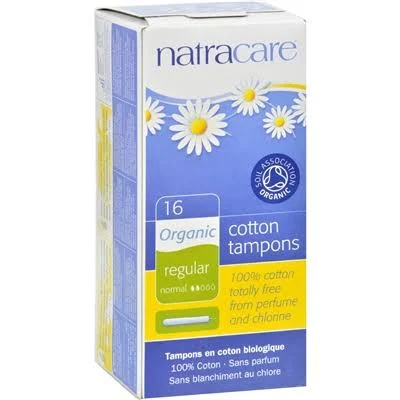
Natracare
100% Organic Cotton Tampons
- 100% organic cotton
- A third party reports verifying it as PFAS-free
- Heavy metals
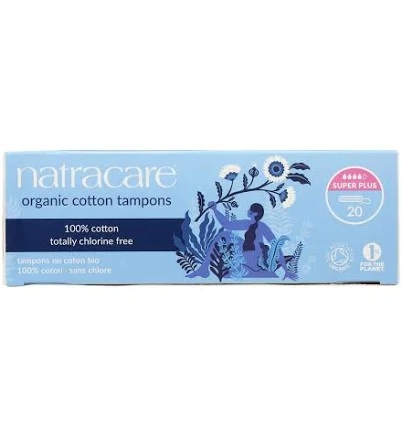
Natracare
Organic Super Plus Tampons, 3 x 20 ct
- organic cotton, cardboard applicator
- The brand calls it PFAS-free, which we have not verified
- Dioxins from bleaching
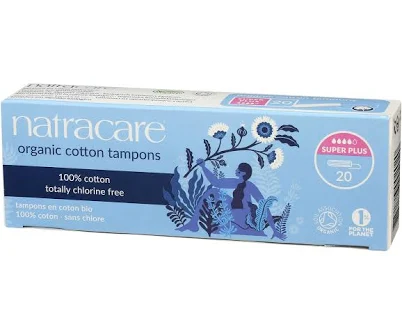
Natracare
Organic Cotton Super Plus Tampons
- organic cotton, no added fluorochemicals
- The brand calls it PFAS-free, which we have not verified
- Verified PFAS-free by a third party
More tampons grades
How we score, every product runs through the same public 0-100 rubric based on materials, coatings, brand disclosure, lab findings, and recalls. See the full methodology → Spotted a mistake? Report an error.