Decathlon (Quechua) · Camping Tents & Tarps
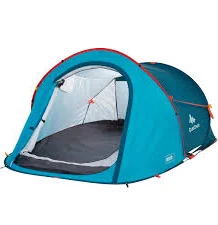
Decathlon Quechua 2 Second Waterproof Pop Up Camping Tent 2 Person
Skip unless the brand provides coating transparency, waterproof tents often use PFAS-based water-repellent coating.
This tent uses polyester with a water-resistant coating, but the brand won't disclose the specific chemistry or PFAS status. Traditional water-repellent coating treatments on budget tents frequently rely on fluorocarbon compounds.
Still want this one anyway? Check the price on Amazon. We’d swap it.
Material
Polyester fabric with water-repellent coating waterproof coating (unspecified type)
Brand disclosure
Brand is silent on PFAS
Lab data
No public lab test
You may also be interested in
Top-graded picks in the categories readers replace first, every one scored on the same rubric.

Aqua Pure
3M Aqua-Pure AP802B Whole House Filter Housing
- polypropylene filter housing, carbon/sediment cartridge
- We found no PFAS statement from the brand
- Bacterial growth in spent cartridges
3 hazards checked on this product. See all of them.

Aquasure
Premier Series 75 GPD Under Sink Reverse Osmosis Water Filtration System
- RO membrane, carbon filters, stainless steel housing
- We found no PFAS statement from the brand
- Bacterial and microbial growth in housing and filters
4 hazards checked on this product. See all of them.

Avocado
Vegan Mattress
- organic cotton, natural latex, coconut coir, recycled steel coils
- The brand calls it PFAS-free, which we have not verified
- Heavy metals
2 hazards checked on this product. See all of them.
What Decathlon Quechua 2 Second Waterproof Pop is made of, ingredients and materials
The Quechua 2 uses polyester fabric (common, durable synthetic) treated with a water-repellent coating (water-repellent coating) coating. Decathlon does not publicly specify whether this water-repellent coating is PFAS-based (fluorocarbon) or PFAS-free (paraffin or silicone). Polyester itself is stable; the coating's chemical identity determines long-term leaching and environmental release risk. Waterproof tent coatings are a known PFAS exposure pathway, particularly during manufacture and washing.
What’s concerning
Category baseline
The starting point for this type of product, before anything specific to this product is counted.
No PFAS disclosure
No public statement from the brand about PFAS in this product.
Waterproof / stain-resistant treatment
Water-repellent coating treatments have historically used PFAS.
water-repellent coating (water-repellent coating) coating type unknown
Polyester tent coatings are often PFAS-based; Decathlon has not disclosed whether this tent uses fluorocarbon, paraffin, or silicone water-repellent coating. PFAS-based coatings can leach into skin, soil, and water over time, especially during washing or if the coating degrades.
Volatile organic compounds (VOCs) from fabric treatments
Polyester fabric and water-repellent coating application typically involve solvent-based processing. Off-gassing may occur during initial unpacking and setup, particularly if stored in warm conditions. Ventilation and airing the tent before first use can reduce inhalation exposure.
Coating degradation and flaking
User reports on outdoor gear forums document water-repellent coating wear and peeling on budget polyester tents after 3-7 years of use. Flaking particles are unlikely to be a direct ingestion hazard in normal camping, but indicate loss of waterproofing and potential environmental release of coating material.
Mold and bacterial growth if stored wet
Polyester fabric itself resists mold, but trapped moisture under the non-breathable coating can foster microbial growth. Storing the tent damp or in humid conditions risks mildew, which can cause respiratory irritation during re-use.
What’s reassuring
Flame retardants
No public information on whether this tent fabric includes flame retardants. Most consumer camping tents do not require FR treatments, but some overseas suppliers add them; Decathlon has not disclosed this detail.
Source, EPA ↗The full breakdown
The brand's record and disclosure
Decathlon has published some environmental commitments but has not made blanket PFAS elimination pledges for all product lines. The Quechua tent range lacks published material safety data sheets or coating transparency. Decathlon does not appear on major PFAS-phaseout leader lists. No recalls or contamination reports specific to this model are on public record.
How it compares in its category
Budget-tier pop-up camping tents often use cost-effective PFAS-based water-repellent coating because it is durable and cheap. Premium brands (e.g., some Big Agnes, Nemo models) increasingly advertise PFAS-free coatings, but transparency is still industry-wide weak. Decathlon's silence on water-repellent coating chemistry is typical for mainstream budget gear but lags eco-conscious competitors.
If you buy it
Minimize water-washing the tent or use cold water only to reduce coating degradation and potential leachate release. Store dry and away from direct sun to extend water-repellent coating life. Replace the tent if the waterproof coating visibly peels or degrades (typically 5-10 years depending on use). Consider requesting Decathlon's technical spec sheet (coating type) before purchase; their silence may change if consumers ask directly.
What we don’t know
- Basis
- Model estimate, 42% confidence, not a lab result
- Lab test
- None on record for this exact product
- Brand statement
- Decathlon (Quechua) has made none
Formulations change between production runs, so check the current label. How we grade.
More camping tents & tarps grades
How we score, every product runs through the same public 0-100 rubric based on materials, coatings, brand disclosure, lab findings, and recalls. See the full methodology → Spotted a mistake? Report an error.