Decathlon (Quechua) · Camping Tents & Tarps
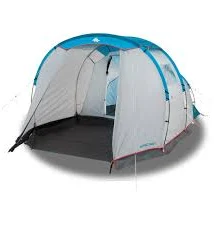
Decathlon Quechua Arpenaz Waterproof Family Camping Tent 4 Person
Skip until the brand discloses waterproof coating chemistry or commits to PFAS-free.
This camping tent uses a waterproof coating to repel water, a common application for PFAS-based water-repellent coating treatments. The brand won't disclose coating chemistry or make PFAS-free claims.
Still want this one anyway? Check the price on Amazon. We’d swap it.
Material
polyester fabric with waterproof coating (type unspecified)
Brand disclosure
Brand is silent on PFAS
Lab data
No public lab test
You may also be interested in
Top-graded picks in the categories readers replace first, every one scored on the same rubric.

Aqua Pure
3M Aqua-Pure AP802B Whole House Filter Housing
- polypropylene filter housing, carbon/sediment cartridge
- We found no PFAS statement from the brand
- Bacterial growth in spent cartridges
3 hazards checked on this product. See all of them.

Aquasure
Premier Series 75 GPD Under Sink Reverse Osmosis Water Filtration System
- RO membrane, carbon filters, stainless steel housing
- We found no PFAS statement from the brand
- Bacterial and microbial growth in housing and filters
4 hazards checked on this product. See all of them.

Avocado
Vegan Mattress
- organic cotton, natural latex, coconut coir, recycled steel coils
- The brand calls it PFAS-free, which we have not verified
- Heavy metals
2 hazards checked on this product. See all of them.
What Decathlon Quechua Arpenaz Waterproof is made of, ingredients and materials
The Arpenaz 4 uses polyester fabric with an applied waterproof coating of unspecified chemistry. Polyester itself is stable and non-leaching under normal outdoor use. The coating is the material of concern, waterproof tent coatings are historically treated with PFAS (PFAS "forever chemicals") to repel water, though some manufacturers now use fluorine-free alternatives. Decathlon has not publicly disclosed which chemistry is used on this model, making it impossible to rule out PFAS exposure during setup, use, or breakdown.
What’s concerning
Category baseline
The starting point for this type of product, before anything specific to this product is counted.
No PFAS disclosure
No public statement from the brand about PFAS in this product.
Waterproof / stain-resistant treatment
Water-repellent coating treatments have historically used PFAS.
PFAS
Tent coatings are historically a PFAS application class. Decathlon's silence means risk cannot be quantified. If inhalation or skin contact during assembly concerns you, this unknown is material.
Source, ATSDR ↗Coating degradation and microplastic shed
Polyester-based waterproof coatings degrade over 3-5 years with UV exposure, flexing, and temperature cycles. Peeling or flaking coating may release particles. Risks are primarily environmental (site pollution) rather than acute health exposure, but not zero.
Off-gassing of coating solvents during setup
New tents may release volatile organic compounds (VOCs) from the waterproof coating and seam sealant during first few uses. Symptoms are odor and mild irritation. Airing the tent outdoors before use, and ventilation during the first night or two, mitigates this. Most users report no issue after 24 hours of outdoor ventilation.
What’s reassuring
Formaldehyde / VOCs
No recall or test data for formaldehyde in this specific tent. Modern polyester fabric rarely uses formaldehyde-based finishes for water-resistant treatments, but adhesives in seam sealing could theoretically contain low levels. Industry standard does not flag this as a concern for tents.
Source, ATSDR ↗Azo dyes in colored polyester
Polyester fabrics may be dyed with azo compounds, which can release aromatic amines under sweat or damp conditions. Decathlon tents are typically darker colors (gray, blue, green) and Decathlon has not disclosed dye sourcing. Risk is low for camping tents (limited skin contact, outdoor airflow) but not audited on this model.
The full breakdown
The brand's record and disclosure
Decathlon (and its Quechua line) has remained silent on PFAS use in tent coatings despite industry-wide scrutiny since 2015-2020. The company has published environmental commitments but has not pledged PFAS elimination or released waterproof coating ingredient lists for this or similar tents. No recalls or safety alerts specific to this product have been issued by safety agencies. However, silence on this hazard class is notably different from transparent commitment or certification (e.g., OEKO-TEX, bluesign).
How it compares in its category
Most mainstream camping tents at this price point (budget to mid-range family tents) use either PFAS-treated polyester or polyurethane coatings with undisclosed formulations. Premium brands like MSR and some niche producers offer PFAS-free alternatives certified by third parties. The Quechua Arpenaz sits in a gray zone typical of Decathlon's low-cost segment, acceptable durability and waterproofing claims, but no transparency on the chemicals delivering those properties. Direct competitors (Coleman, Ozark Trail, ALPS Mountaineering) also rarely disclose coating chemistry.
If you buy it
Store the tent dry indoors, away from heat sources. Inspect the interior and seams annually for peeling or degradation of the coating; this indicates potential microplastic shedding. Before purchase, contact Decathlon's customer service and request the Safety Data Sheet (SDS) for the tent coating or an explicit statement on PFAS content. If they cannot or will not provide it, consider it a red flag and request a refund after purchase if the lack of disclosure is a dealbreaker for your household.
What we don’t know
- Basis
- Model estimate, 35% confidence, not a lab result
- Lab test
- None on record for this exact product
- Brand statement
- Decathlon (Quechua) has made none
Formulations change between production runs, so check the current label. How we grade.
More camping tents & tarps grades
How we score, every product runs through the same public 0-100 rubric based on materials, coatings, brand disclosure, lab findings, and recalls. See the full methodology → Spotted a mistake? Report an error.