Quechua · Camping Tents & Tarps
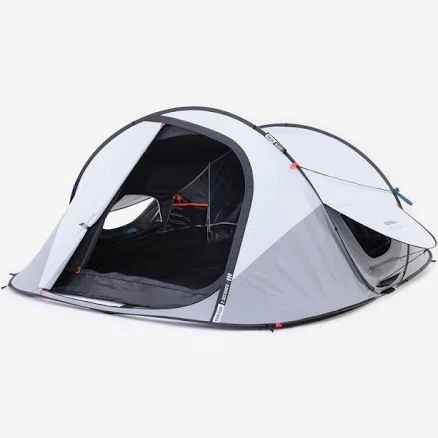
Quechua 2 Second Fresh & Black Waterproof Pop Up Camping Tent Person
Skip until the brand discloses waterproof treatment chemistry or commits to PFAS-free water-repellent coating.
This pop-up tent uses a waterproof coating to shed water, but the brand won't disclose whether it contains PFAS-based water-repellent coating treatments standard in budget gear. Without transparency, PFAS presence can't be ruled out.
Still want this one anyway? Check the price on Amazon. We’d swap it.
Material
Polyester fabric with waterproof water-repellent coating (unspecified)
Brand disclosure
Brand is silent on PFAS
Lab data
No public lab test
You may also be interested in
Top-graded picks in the categories readers replace first, every one scored on the same rubric.

Aqua Pure
3M Aqua-Pure AP802B Whole House Filter Housing
- polypropylene filter housing, carbon/sediment cartridge
- We found no PFAS statement from the brand
- Bacterial growth in spent cartridges
3 hazards checked on this product. See all of them.

Aquasure
Premier Series 75 GPD Under Sink Reverse Osmosis Water Filtration System
- RO membrane, carbon filters, stainless steel housing
- We found no PFAS statement from the brand
- Bacterial and microbial growth in housing and filters
4 hazards checked on this product. See all of them.

Avocado
Vegan Mattress
- organic cotton, natural latex, coconut coir, recycled steel coils
- The brand calls it PFAS-free, which we have not verified
- Heavy metals
2 hazards checked on this product. See all of them.
What Quechua 2 Second Fresh & Black Waterproof is made of, ingredients and materials
The Quechua 2 Second uses polyester fabric (likely 210D or similar denier) treated with a water-repellent finish (water-repellent coating). Polyester itself is chemically stable and does not leach plasticizers under normal camping conditions. The critical unknown is the water-repellent coating treatment chemistry, Decathlon has not publicly disclosed whether this uses PFAS-based Teflon-family coating (the industry standard for decades) or newer alternatives like wax or silicone-based coatings. This lack of transparency is the primary safety concern for this model.
What’s concerning
Category baseline
The starting point for this type of product, before anything specific to this product is counted.
No PFAS disclosure
No public statement from the brand about PFAS in this product.
Waterproof / stain-resistant treatment
Water-repellent coating treatments have historically used PFAS.
PFAS
Decathlon has not disclosed the waterproof treatment chemistry for this tent. PFAS-based Teflon-family coating remain standard in budget outdoor fabrics; a PFAS-free alternative is possible but unconfirmed. Direct skin contact during use is minimal, but storage indoors could pose low inhalation risk if coating off-gases.
Source, ATSDR ↗Polyester degradation and microfiber shedding
Polyester fabric can shed microfibers when worn, flexed, or abraded over years of use and washing. Camping tents experience moderate mechanical stress. Risk to the user is minimal during typical use, but microfiber release into the environment is a known concern for outdoor textiles.
water-repellent coating durability and failure
Water-repellent coatings on budget tents typically degrade within 3-5 years of moderate use. Once compromised, the tent may leak. Decathlon does not advertise re-treatment options for consumer repair, meaning replacement is the common path.
What’s reassuring
Formaldehyde / VOCs
Polyester camping tents are not typically finished with formaldehyde-based resins (common in cotton or viscose). No formaldehyde concerns are documented for this product or category.
Source, ATSDR ↗Heavy metals
The Black and Fresh color options use standard polyester dyes. No cadmium, lead, or other heavy metal contamination has been reported in Decathlon tent fabrics or in this product line.
Source, FDA ↗The full breakdown
The brand's record and disclosure
Decathlon has not issued clear commitments to waterproofing without added PFAS across its tent range. The company has made environmental pledges but remains silent on water-repellent coating chemistry for most products, including this popular budget model. No recalls or safety violations are on record for this specific tent. Decathlon's lack of transparency on chemical inputs is typical for the European outdoor industry but still represents a gap in consumer information.
How it compares in its category
Budget pop-up camping tents almost universally use PFAS-based water-repellent coating coatings or untreated polyester. The Quechua 2 Second is competitively priced and widely available, making it a common entry-level choice. Premium brands (e.g., Hilleberg, MSR) increasingly disclose water-repellent coating methods, though at higher prices. Mid-range alternatives from other brands show similar disclosure gaps, so this tent is not an outlier in its category.
If you buy it
Store the tent dry in a cool, dark place away from direct sunlight to prevent UV degradation of the polyester and coating. Do not machine wash; clean with mild soap and a soft brush if needed. Inspect the fabric for tears or coating degradation annually; once waterproofing fails noticeably (water no longer beads), replacement is practical rather than re-treatment. Avoid prolonged heat exposure (e.g., storing in hot cars) as polyester can weaken and coatings may degrade faster.
What we don’t know
- Basis
- Model estimate, 42% confidence, not a lab result
- Lab test
- None on record for this exact product
- Brand statement
- Quechua has made none
Formulations change between production runs, so check the current label. How we grade.
More camping tents & tarps grades
How we score, every product runs through the same public 0-100 rubric based on materials, coatings, brand disclosure, lab findings, and recalls. See the full methodology → Spotted a mistake? Report an error.