Quechua · Camping Tents & Tarps
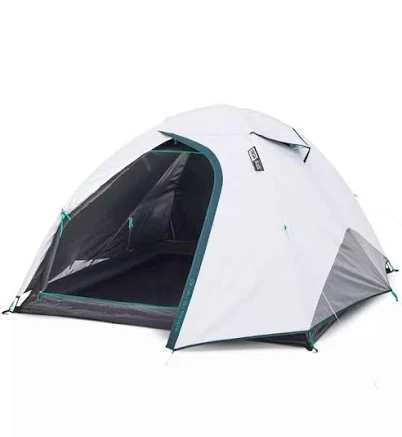
Quechua Camping Tent for 2-3 Person for Backpacking & Waterproof
Skip until the brand discloses waterproof treatment chemistry, coated tents often contain PFAS.
This tent is marketed as waterproof, but the brand won't disclose what chemical water-repellent coating is used. Waterproof outdoor fabrics have historically relied on fluorinated compounds or PFAS.
Still want this one anyway? Check the price on Amazon. We’d swap it.
Material
Polyester fabric with unspecified waterproof/water-repellent coating
Brand disclosure
Brand is silent on PFAS
Lab data
No public lab test
You may also be interested in
Top-graded picks in the categories readers replace first, every one scored on the same rubric.

Aqua Pure
3M Aqua-Pure AP802B Whole House Filter Housing
- polypropylene filter housing, carbon/sediment cartridge
- We found no PFAS statement from the brand
- Bacterial growth in spent cartridges
3 hazards checked on this product. See all of them.

Aquasure
Premier Series 75 GPD Under Sink Reverse Osmosis Water Filtration System
- RO membrane, carbon filters, stainless steel housing
- We found no PFAS statement from the brand
- Bacterial and microbial growth in housing and filters
4 hazards checked on this product. See all of them.

Avocado
Vegan Mattress
- organic cotton, natural latex, coconut coir, recycled steel coils
- The brand calls it PFAS-free, which we have not verified
- Heavy metals
2 hazards checked on this product. See all of them.
What Quechua Camping Tent for 2-3 Person is made of, ingredients and materials
This tent is constructed from polyester fabric (durable, lightweight, mold-resistant) with an applied waterproof and water-repellent coating (water-repellent coating) coating. Decathlon does not publicly specify whether this coating contains PFAS-based chemicals or fluorine-free alternatives. Polyester itself is chemically inert once cured, but the coating chemistry determines long-term safety during storage, use, and eventual degradation.
What’s concerning
Category baseline
The starting point for this type of product, before anything specific to this product is counted.
No PFAS disclosure
No public statement from the brand about PFAS in this product.
Waterproof / stain-resistant treatment
Water-repellent coating treatments have historically used PFAS.
PFAS
Polyester tents typically use either PFAS-based fluorocarbon water-repellent coating or fluorine-free alternatives; Decathlon's Quechua line lacks published specification, making PFAS presence unconfirmed but common in this price tier. Off-gassing risk is minimal during use but may occur in sealed storage or high heat.
Source, ATSDR ↗Coating degradation and microfiber shedding
Waterproof coatings on budget polyester tents degrade over 5-10 years; flaking coating may shed microparticles into soil and water during use and disposal. This is a mechanical wear issue rather than toxicity, but contributes to microplastic accumulation in the environment.
Mold and bacterial growth (maintenance-dependent)
If stored damp or in humid conditions, polyester fabric can develop mold and mildew despite its inherent resistance. This is a user maintenance issue, not a manufacturing defect, but improper storage poses respiratory and allergenic hazards on subsequent use.
What’s reassuring
Dye or printing chemicals (if graphics present)
Standard tent models typically use minimal printing; no azo dye or formaldehyde resin concerns have been reported for Quechua tents. Branding is usually heat-transferred or embroidered rather than chemically dyed.
Flame retardants
Camping tents are not subject to mandatory flame retardant regulations in most jurisdictions; Decathlon's Quechua tents do not appear to use added FR chemicals. Polyester itself is moderately flame-resistant but not flame-retardant treated.
Source, EPA ↗The full breakdown
The brand's record and disclosure
Decathlon has not published detailed ingredient transparency for Quechua tent coatings on their website or in product documentation reviewed by consumer safety databases. The brand lacks third-party certifications (GOTS, Bluesign, OEKO-TEX) that would verify absence of restricted chemicals. No recalls or contamination incidents have been documented for this specific product model, but the silent stance on waterproof treatment chemistry is a red flag in the outdoor gear industry, where PFAS use remains common.
How it compares in its category
Budget camping tents from all major brands (Coleman, REI, Kelty, Naturehike) typically use polyester with unspecified coatings; Quechua's entry-level pricing suggests similar cost-cutting on material transparency. Premium brands and PFAS-conscious manufacturers (e.g., Patagonia, some REI Co-op models) increasingly disclose fluorine-free waterproofing or publish third-party test results. Quechua sits in the middle-market zone where coating disclosure is inconsistent across the industry.
If you buy it
Store in a cool, dry place away from direct UV and heat to slow any coating degradation. Do not machine wash or use harsh detergents; rinse gently with cool water and air dry completely to prevent mold and preserve the coating. Inspect seams and fabric annually for tears or peeling coating; replace the tent after 5-10 years of active use or if the coating begins flaking. If PFAS risk concerns you, contact Decathlon directly requesting waterproof treatment chemistry before purchase; silence may warrant choosing a competitor with transparency.
What we don’t know
- Basis
- Model estimate, 35% confidence, not a lab result
- Lab test
- None on record for this exact product
- Brand statement
- Quechua has made none
Formulations change between production runs, so check the current label. How we grade.
More camping tents & tarps grades
How we score, every product runs through the same public 0-100 rubric based on materials, coatings, brand disclosure, lab findings, and recalls. See the full methodology → Spotted a mistake? Report an error.