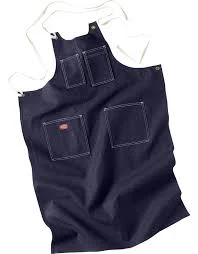
Dickies Toolmaker's Apron
Lower risk from traditional cotton apron, though no lab confirmation exists.
Dickies Toolmaker's Apron is traditional cotton duck without disclosed water or stain resistance coatings that would require PFAS. The material and design suggest lower PFAS likelihood.
Still want this one anyway? Check the price on Amazon. We’d swap it.
Material
Cotton duck fabric
Brand disclosure
Brand is silent on PFAS
Lab data
No public lab test
You may also be interested in
Top-graded picks in the categories readers replace first, every one scored on the same rubric.

- polypropylene filter housing, carbon/sediment cartridge
- We found no PFAS statement from the brand
- Bacterial growth in spent cartridges
3 hazards checked on this product, all on its full breakdown.

Aquasure
Premier Series 75 GPD Under Sink Reverse Osmosis Water Filtration System
- RO membrane, carbon filters, stainless steel housing
- We found no PFAS statement from the brand
- Bacterial and microbial growth in housing and filters
4 hazards checked on this product, all on its full breakdown.

Avocado
Vegan Mattress
- organic cotton, natural latex, coconut coir, recycled steel coils
- The brand calls it PFAS-free, which we have not verified
- Heavy metals
2 hazards checked on this product, all on its full breakdown.
What Dickies Toolmaker's Apron is made of, ingredients and materials
Dickies Toolmaker's Apron is constructed from cotton duck fabric, a tightly woven, durable cotton textile typically 10-14 ounces in weight. Cotton duck is inherently low-risk compared to synthetic fabrics because it contains no polyester antimony residues, minimal volatile organic compounds, and does not off-gas fluorinated water repellents in normal use. The apron's pockets and hardware (typically metal rivets and stitching) are functional components unlikely to leach toxic substances into skin or food contact scenarios.
What’s concerning
Category baseline
The starting point for this type of product, before anything specific to this product is counted.
No PFAS disclosure
No public statement from the brand about PFAS in this product.
Formaldehyde / VOCs
Cotton duck may contain residual formaldehyde-based dyes, fixatives, or wrinkle-resistance treatments applied during manufacturing. Levels in finished workwear are typically low and off-gas minimally, but no third-party testing on this specific Dickies product exists to confirm.
Source, ATSDR ↗Azo dyes and color fastness
The apron's tan or dark colors may use azo-based synthetic dyes, which are regulated but still common in conventional workwear. Color bleeding or migration onto skin during heavy sweating is unlikely with quality cotton duck, but risk is not eliminated without testing.
Dust and particulate irritation from loose fibers
New cotton duck aprons may shed loose fibers or sizing powder during initial handling. This is cosmetic rather than toxic but can irritate eyes or lungs in dusty workshop environments; washing reduces this substantially.
What’s reassuring
Base material not linked to PFAS
The main material recorded for this product is not one associated with PFAS.
Heavy metals
Lead and cadmium in textile dyes are rare in US-manufactured or regulated aprons; Dickies' metal rivets and hardware (typically iron or steel) pose no established leaching risk in non-food contact scenarios.
Source, FDA ↗Microplastic shedding
Cotton duck is a natural fiber and does not shed microplastics. This hazard applies only to synthetic or blended aprons and is not relevant to this product.
How is this PFAS grade calculated?
The brand's record and disclosure
Dickies is a well-established workwear manufacturer with no public safety recalls or chemical disclosures tied to their standard cotton aprons. The brand does not publicly state formaldehyde-free, pesticide-free, or chemical-processing transparency certifications for this product line, which is typical of conventional workwear brands. No substantiated controversies regarding chemical hazards in Dickies cotton apparel are on record in consumer safety databases.
How it compares in its category
Cotton duck aprons are in a lower concern category for work aprons compared to synthetic blends or treated canvas. Many budget or imported aprons use polyester-heavy blends, flame-retardant coatings, or heavy dye loads; cotton duck avoids these. Dickies' version is mid-range in terms of processing transparency but standard for mainstream workwear, no superior alternative exists at comparable price unless you seek organic cotton certification (rare in aprons).
If you buy it
Wash new apron in warm water before first use to reduce any loose dyes or sizing residue. Store in a dry location to prevent mold or mildew growth, which can promote microbial hazards in humid workshops. Inspect stitching, pockets, and rivets periodically for wear; replace if seams tear and create sharp edges or fabric sheds. No special heat or chemical handling is required; standard laundry is appropriate.
What is not known about PFAS in this product?
- Basis
- Model estimate, 72% confidence, not a lab result
- Lab test
- None on record for this exact product
- Brand statement
- Dickies has made none
Formulations change between production runs, so check the current label. How we grade.
More work aprons grades
How we score, every product runs through the same public 0-100 rubric based on materials, coatings, brand disclosure, lab findings, and recalls. See the full methodology → Spotted a mistake? Report an error.