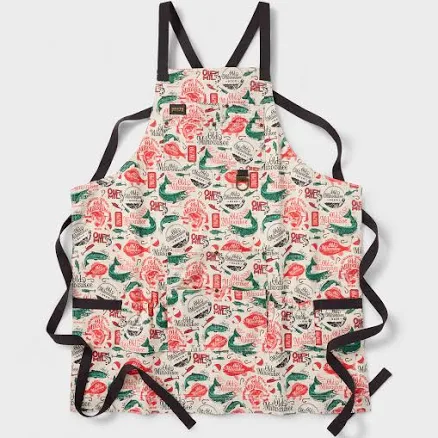
Duluth Trading Company BBQ Grilling Apron
Avoid until Duluth discloses water-repellent coating ingredients; traditional finishes often use PFAS.
Duluth Trading's BBQ apron is cotton/polyester treated for stain and moisture resistance, typical water-repellent coating uses that historically rely on fluorochemicals. The brand will not disclose finish chemistry.
Still want this one anyway? Check the price on Amazon. We’d swap it.
Material
cotton/poly blend with water-repellent coating (water-repellent coating) finish
Lab data
No public lab test
You may also be interested in
Top-graded picks in the categories readers replace first, every one scored on the same rubric.

- polypropylene filter housing, carbon/sediment cartridge
- We found no PFAS statement from the brand
- Bacterial growth in spent cartridges
3 hazards checked on this product, all on its full breakdown.

Aquasure
Premier Series 75 GPD Under Sink Reverse Osmosis Water Filtration System
- RO membrane, carbon filters, stainless steel housing
- We found no PFAS statement from the brand
- Bacterial and microbial growth in housing and filters
4 hazards checked on this product, all on its full breakdown.

Avocado
Vegan Mattress
- organic cotton, natural latex, coconut coir, recycled steel coils
- The brand calls it PFAS-free, which we have not verified
- Heavy metals
2 hazards checked on this product, all on its full breakdown.
What Duluth Trading Company BBQ Grilling Apron is made of, ingredients and materials
This apron is a cotton-polyester blend treated with a water-repellent coating (water-repellent coating) finish. The cotton provides breathability and comfort; the polyester adds durability and wrinkle resistance. The water-repellent coating is the critical unknown, traditional water-repellent coating finishes have historically relied on PFAS-based chemistry, though some modern alternatives use fluorine-free or silicone-based systems. Duluth Trading has not publicly disclosed which chemistry they use, leaving the actual chemical risk profile opaque.
What’s concerning
Category baseline
The starting point for this type of product, before anything specific to this product is counted.
No PFAS disclosure
No public statement from the brand about PFAS in this product.
Waterproof / stain-resistant treatment
Water-repellent coating treatments have historically used PFAS.
water-repellent coating (water-repellent coating) coating chemistry
Water-repellent coating finishes on cotton-poly blends historically use PFAS-based compounds; Duluth Trading has not disclosed their specific chemistry. Risk is contingent on whether they have adopted fluorine-free alternatives or retained traditional PFAS formulations.
Residual reactive chemicals on untreated fabric
Water-repellent coating-treated textiles may carry residual unreacted precursor chemicals or catalysts from the coating process. Washing before use reduces exposure, though complete removal is not guaranteed without full disclosure of treatment chemistry.
What’s reassuring
Formaldehyde / VOCs
No recalls or test results on record for Duluth Trading aprons. Cotton-poly blends can contain formaldehyde resins from shrink-control treatments, but no specific hazard has been documented for this brand or product.
Source, ATSDR ↗Color bleeding or transfer from direct skin contact
No specific incidents reported for this apron. Polyester-blend dyes occasionally transfer in humid conditions or on damp skin, but this is a cosmetic rather than toxicological concern and is not a known issue with Duluth's dye lots.
How is this PFAS grade calculated?
The brand's record and disclosure
Duluth Trading Company is a private outdoor/workwear retailer without published chemical disclosure policies or third-party certifications (such as Oeko-Tex or GOTS) on their website for this product line. The company has not issued statements about PFAS avoidance or water-repellent coating chemistry transparency. No major recalls or toxicity incidents are publicly associated with Duluth Trading aprons. Their silence on material sourcing and chemical inputs is typical for mid-market workwear but represents a governance gap compared to competitors with formal chemical management programs.
How it compares in its category
BBQ aprons in this price-performance tier typically use cotton-poly blends with water-resistant treatments, and most brands similarly do not disclose water-repellent coating chemistry. Higher-end alternatives from brands like Curt and Carhartt also remain vague on fluorine inputs; budget alternatives often omit water-repellent coating altogether. Duluth's apron sits in the middle, functional and durable, but not differentiated by chemical transparency. If PFAS avoidance is a priority, few mainstream workwear brands currently offer audited fluorine-free water-repellent coating options at this price point.
If you buy it
Wash the apron in cool water before first use to reduce residual finishes and dyes. Avoid high heat (no dryer; air dry to preserve the water-repellent coating). Do not bleach or use harsh chemicals, as these can degrade the water-repellent layer and potentially mobilize surface residues. Replace the apron if the water-repellent coating visibly breaks down (water no longer beads on fabric) or if staining becomes permanent, as this signals coating failure and loss of its functional barrier.
What is not known about PFAS in this product?
- Basis
- Model estimate, 45% confidence, not a lab result
- Lab test
- None on record for this exact product
- Brand statement
- Duluth Trading has made a specific claim
Formulations change between production runs, so check the current label. How we grade.
What are the PFAS-free alternatives to Duluth Trading Company BBQ Grilling Apron?
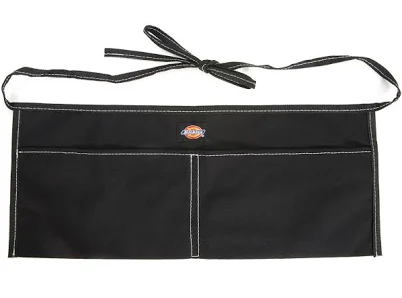
- 100% canvas cotton, uncoated
- We found no PFAS statement from the brand
- Formaldehyde / VOCs
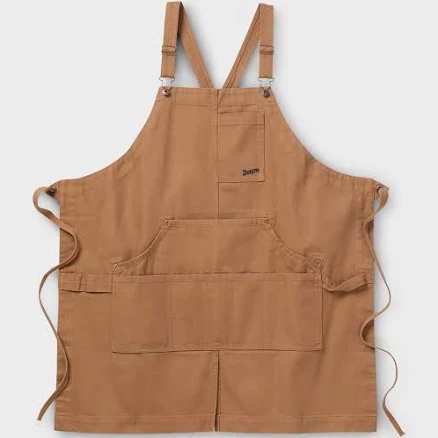
- 100% cotton canvas (Fire Hose fabric)
- Azo dyes (synthetic dye residue)
2 hazards checked on this product, all on its full breakdown.
Find an alternative on Amazon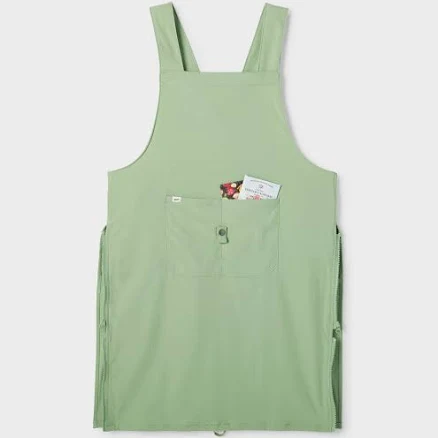
- Cotton canvas apron, no waterproof or stain-resistant coating disclosed
- Azo dyes and color fugacity
3 hazards checked on this product, all on its full breakdown.
Find an alternative on AmazonMore work aprons grades
How we score, every product runs through the same public 0-100 rubric based on materials, coatings, brand disclosure, lab findings, and recalls. See the full methodology → Spotted a mistake? Report an error.