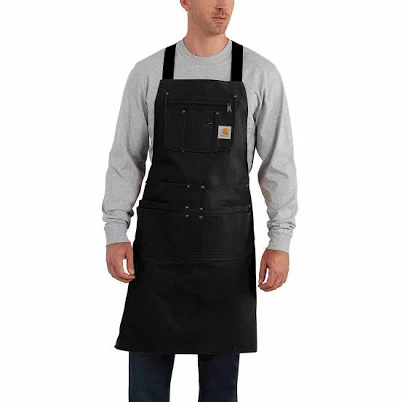
Carhartt Firm Duck Apron
Carhartt won't say if its water-repellent coating treatment uses PFAS; risk is higher than untreated.
This Carhartt apron is heavy cotton treated with a water-repellent coating water-repellent finish, which historically uses PFAS or fluorochemicals. Carhartt keeps its water-repellent coating formula private.
Still want this one anyway? Check the price on Amazon. We’d swap it.
Material
100% ring-spun cotton duck with water-repellent coating finish
Brand disclosure
Brand is silent on PFAS
Lab data
No public lab test
You may also be interested in
Top-graded picks in the categories readers replace first, every one scored on the same rubric.

- polypropylene filter housing, carbon/sediment cartridge
- We found no PFAS statement from the brand
- Bacterial growth in spent cartridges
3 hazards checked on this product, all on its full breakdown.

Aquasure
Premier Series 75 GPD Under Sink Reverse Osmosis Water Filtration System
- RO membrane, carbon filters, stainless steel housing
- We found no PFAS statement from the brand
- Bacterial and microbial growth in housing and filters
4 hazards checked on this product, all on its full breakdown.

Avocado
Vegan Mattress
- organic cotton, natural latex, coconut coir, recycled steel coils
- The brand calls it PFAS-free, which we have not verified
- Heavy metals
2 hazards checked on this product, all on its full breakdown.
What Carhartt Firm Duck Apron is made of, ingredients and materials
This apron is 100% ring-spun cotton duck, a tightly woven fabric chosen for durability and work-site abuse resistance. The water-repellent coating (water-repellent coating) finish is applied to the surface to shed water and stains without full waterproofing; this finish is where chemical uncertainty arises. Ring-spun cotton itself carries no established toxicological hazard, but the water-repellent coating chemistry, whether fluorocarbon-based (PFAS), silicone, or paraffin, is not disclosed by Carhartt.
What’s concerning
Category baseline
The starting point for this type of product, before anything specific to this product is counted.
No PFAS disclosure
No public statement from the brand about PFAS in this product.
Waterproof / stain-resistant treatment
Water-repellent coating treatments have historically used PFAS.
PFAS
The water-repellent coating is not specified by Carhartt; if fluorocarbon-free it may use silicone or paraffin, which carry lower toxicity but unknown durability. If fluorocarbon-based, PFAS bioaccumulation is a separate concern (graded separately). Skin contact during normal use is minimal due to external application.
Source, ATSDR ↗Residual finish off-gassing during wear and washing
Water-repellent coating coatings may emit volatile organic compounds (VOCs), especially when new or during heat exposure (washing, drying). Inhalation risk is low in outdoor work settings but higher in confined spaces; washing before first use reduces initial off-gassing.
What’s reassuring
Cotton allergic reaction or contact dermatitis
Ring-spun cotton itself is hypoallergenic and does not contain known sensitizers such as formaldehyde resins or azo dyes. However, residual dyes or finishes applied during manufacturing could theoretically trigger contact dermatitis in sensitive individuals; no incidents are documented for Carhartt duck fabric.
Microfiber shedding into wash water
Cotton duck is a macro-fiber textile and does not shed microplastics. Shedding of loose fibers during washing is normal for cotton and poses no toxicological concern.
Heavy metals
Carhartt duck aprons are typically dyed with standard commercial cotton dyes (indigo for blue, tan or khaki synthetic dyes) that do not require heavy metal mordants or catalysts in modern processes. No lead, cadmium, or chromium contamination is known for this product line.
Source, FDA ↗How is this PFAS grade calculated?
The brand's record and disclosure
Carhartt has not publicly disclosed the chemical composition of its water-repellent coating finishes across product lines, nor has the company published a PFAS-avoidance policy or transparency report. No recalls or regulatory violations specific to Carhartt apparel finishes are on record in CPSC or EPA databases. The brand's silence on this issue is notable given industry-wide pressure for water-repellent coating alternatives with lower concern since the mid-2010s.
How it compares in its category
Most commercial work aprons use water-repellent coating or full waterproof coatings; untreated cotton duck alternatives exist but offer no stain or water protection. Carhartt's ring-spun cotton quality is mid-to-high within the category. Competing brands (Dickies, Wrangler, Blaklader) similarly do not disclose water-repellent coating chemistry; only niche suppliers (e.g., some heritage or organic brands) offer untreated or fluorocarbon-free alternatives, typically at higher cost or lower durability.
If you buy it
Wash separately on cold water with mild detergent; aggressive washing or hot water may degrade the water-repellent coating finish and increase leaching of residual finish chemicals into rinse water or soil. Do not dry clean or use high heat dryers, as heat can mobilize and off-gas volatile components of the water-repellent coating layer. Replace when the apron shows visible wear, staining, or loss of water beading. Store in a cool, dry place away from strong solvents or perfumes.
What is not known about PFAS in this product?
- Basis
- Model estimate, 45% confidence, not a lab result
- Lab test
- None on record for this exact product
- Brand statement
- Carhartt has made none
Formulations change between production runs, so check the current label. How we grade.
What are the PFAS-free alternatives to Carhartt Firm Duck Apron?
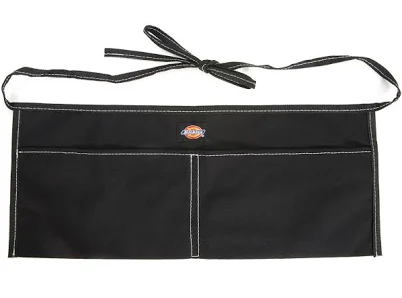
- 100% canvas cotton, uncoated
- We found no PFAS statement from the brand
- Formaldehyde / VOCs
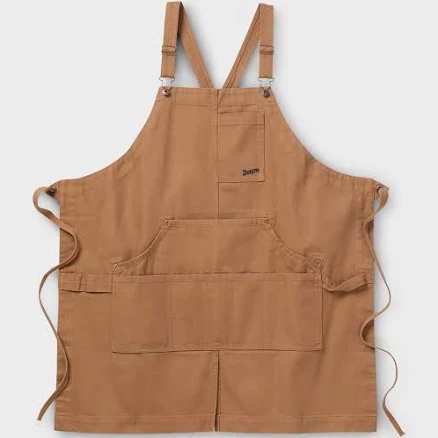
- 100% cotton canvas (Fire Hose fabric)
- Azo dyes (synthetic dye residue)
2 hazards checked on this product, all on its full breakdown.
Find an alternative on Amazon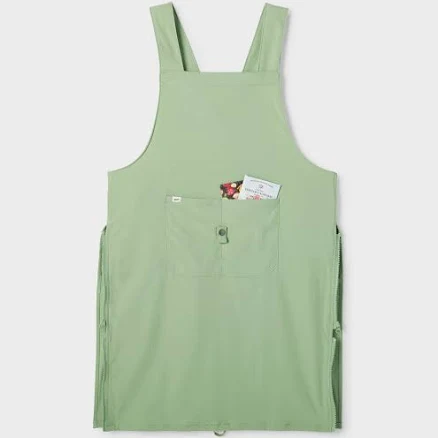
- Cotton canvas apron, no waterproof or stain-resistant coating disclosed
- Azo dyes and color fugacity
3 hazards checked on this product, all on its full breakdown.
Find an alternative on AmazonMore work aprons grades
How we score, every product runs through the same public 0-100 rubric based on materials, coatings, brand disclosure, lab findings, and recalls. See the full methodology → Spotted a mistake? Report an error.